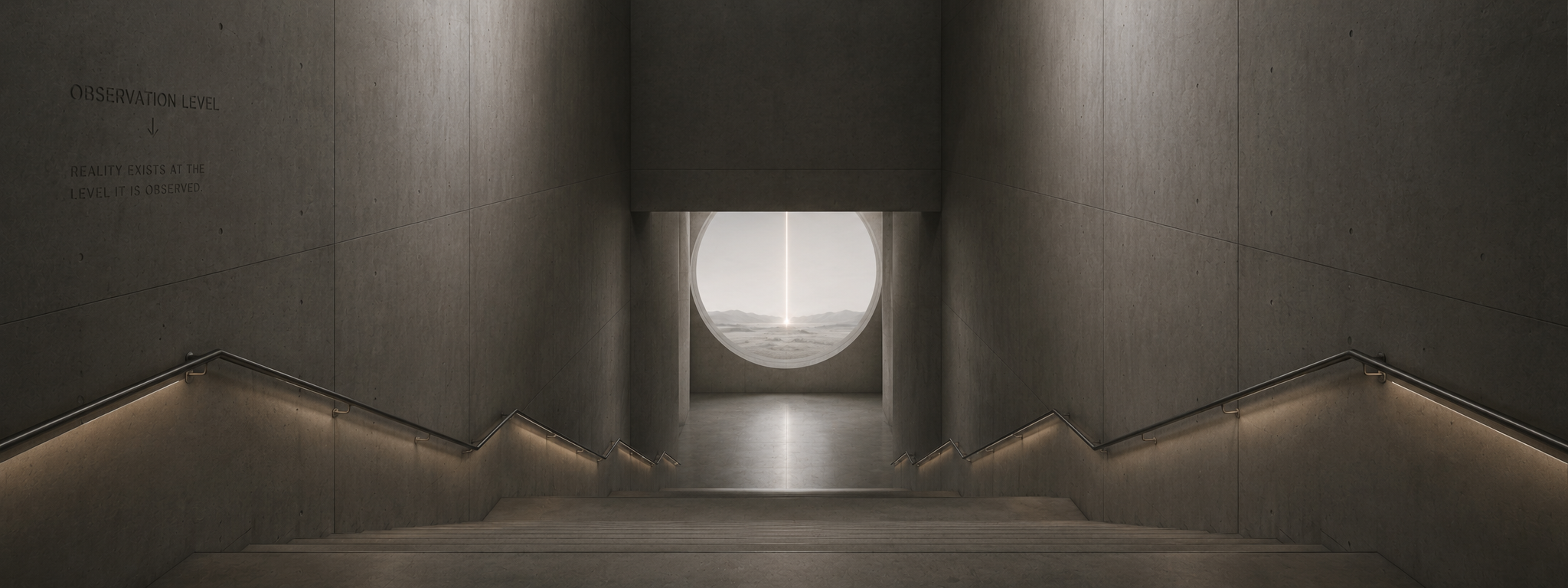
SYSTEM
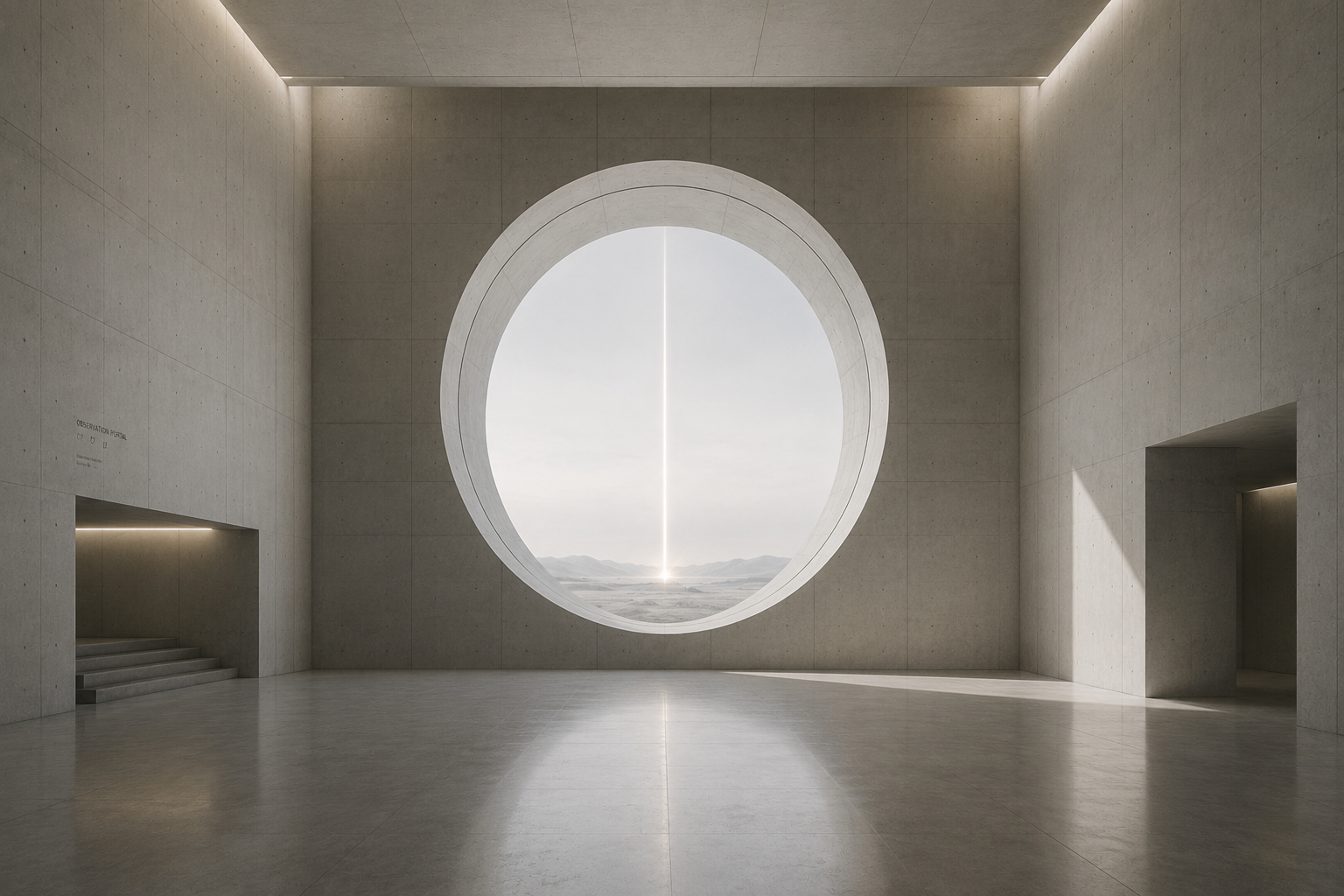
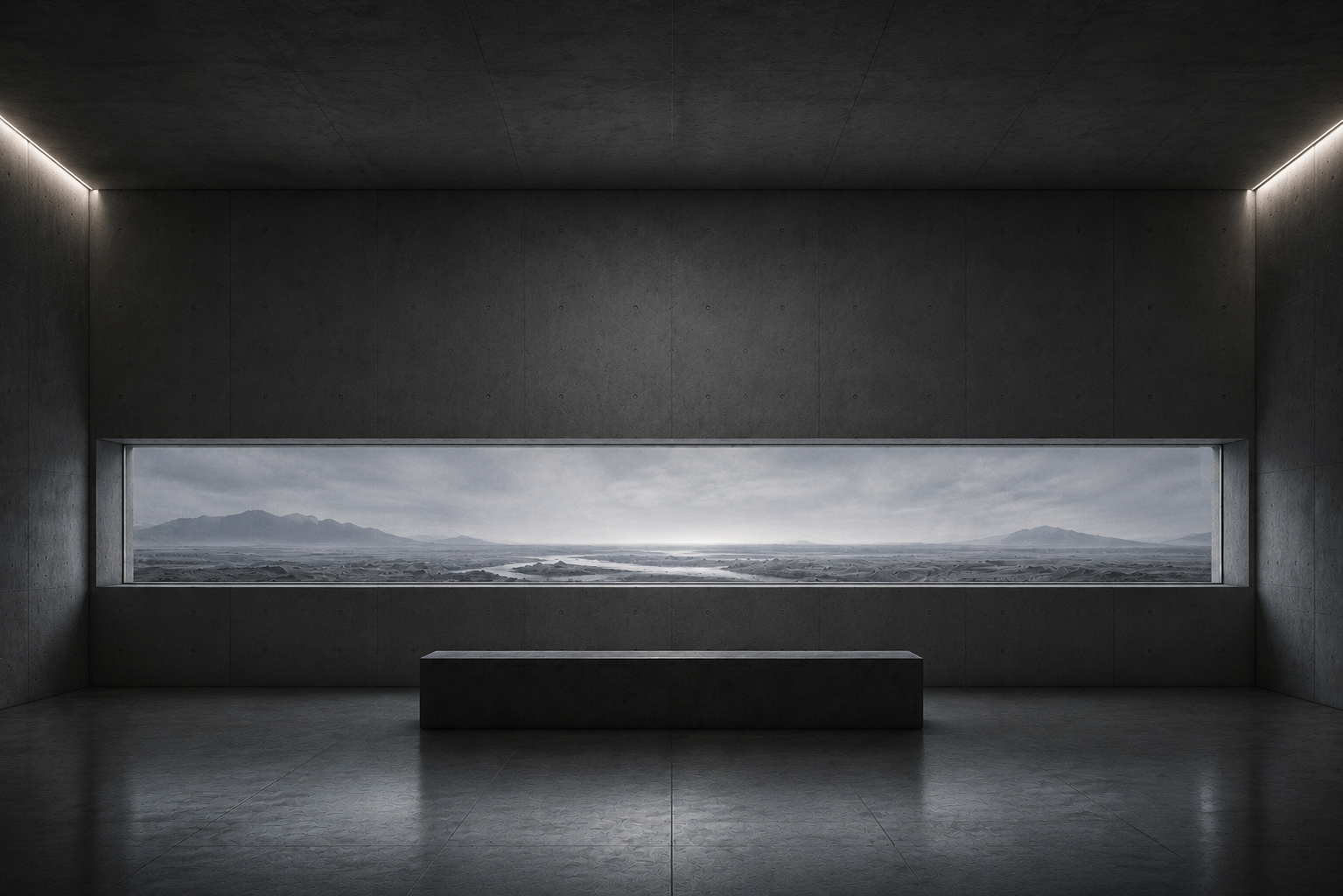
PASSIVE OBSERVATION
Presence without resolution.
Passive observation records existence without
generating change. The observer witnesses,
but does not inquire.
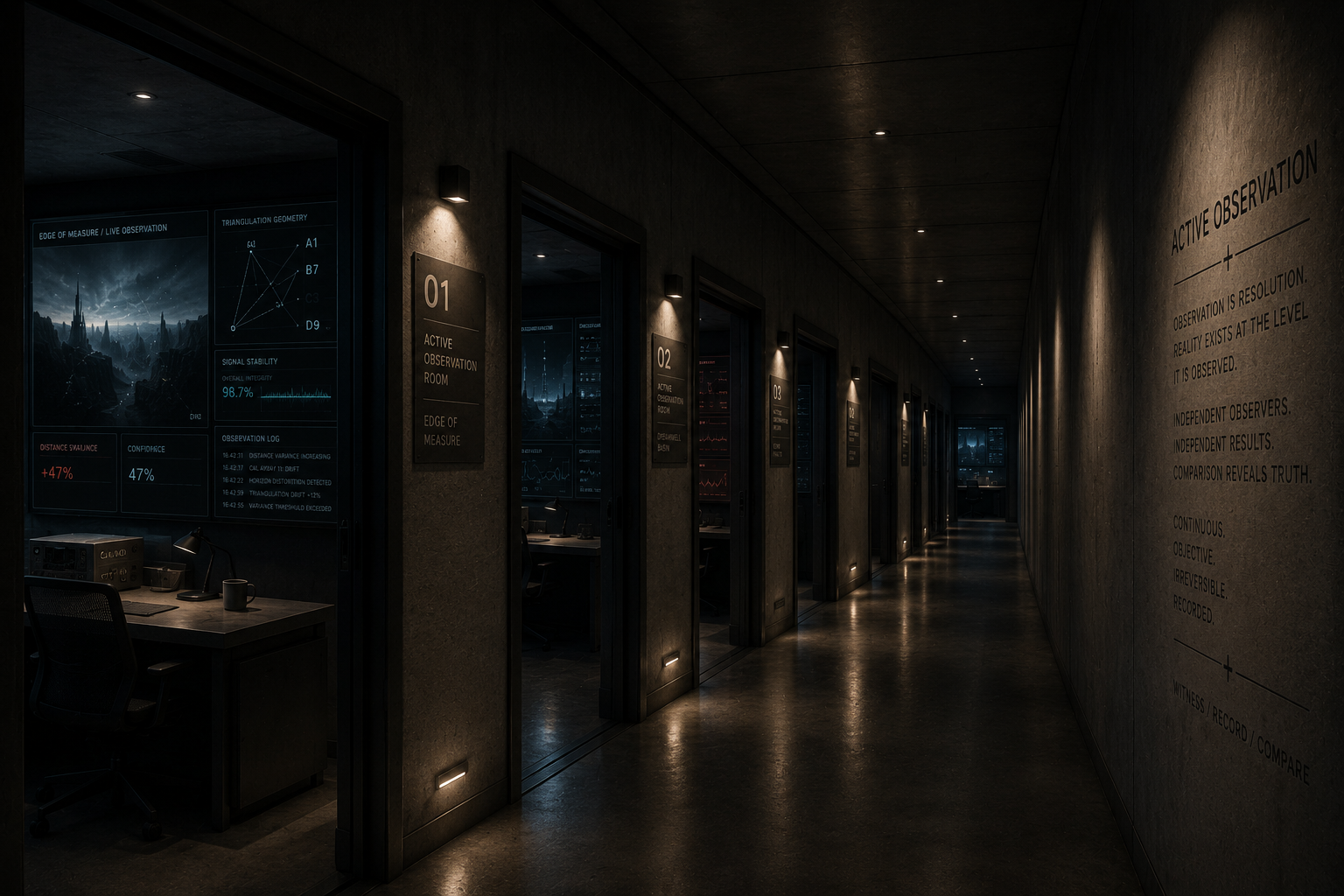
ACTIVE OBSERVATION
Resolution through measurement.
Active observation extends beyond witnessing by producing measurable records of the observed environment. Independent survey instruments compare position, geometry, and signal stability to determine whether reality remains consistent over sustained observation.
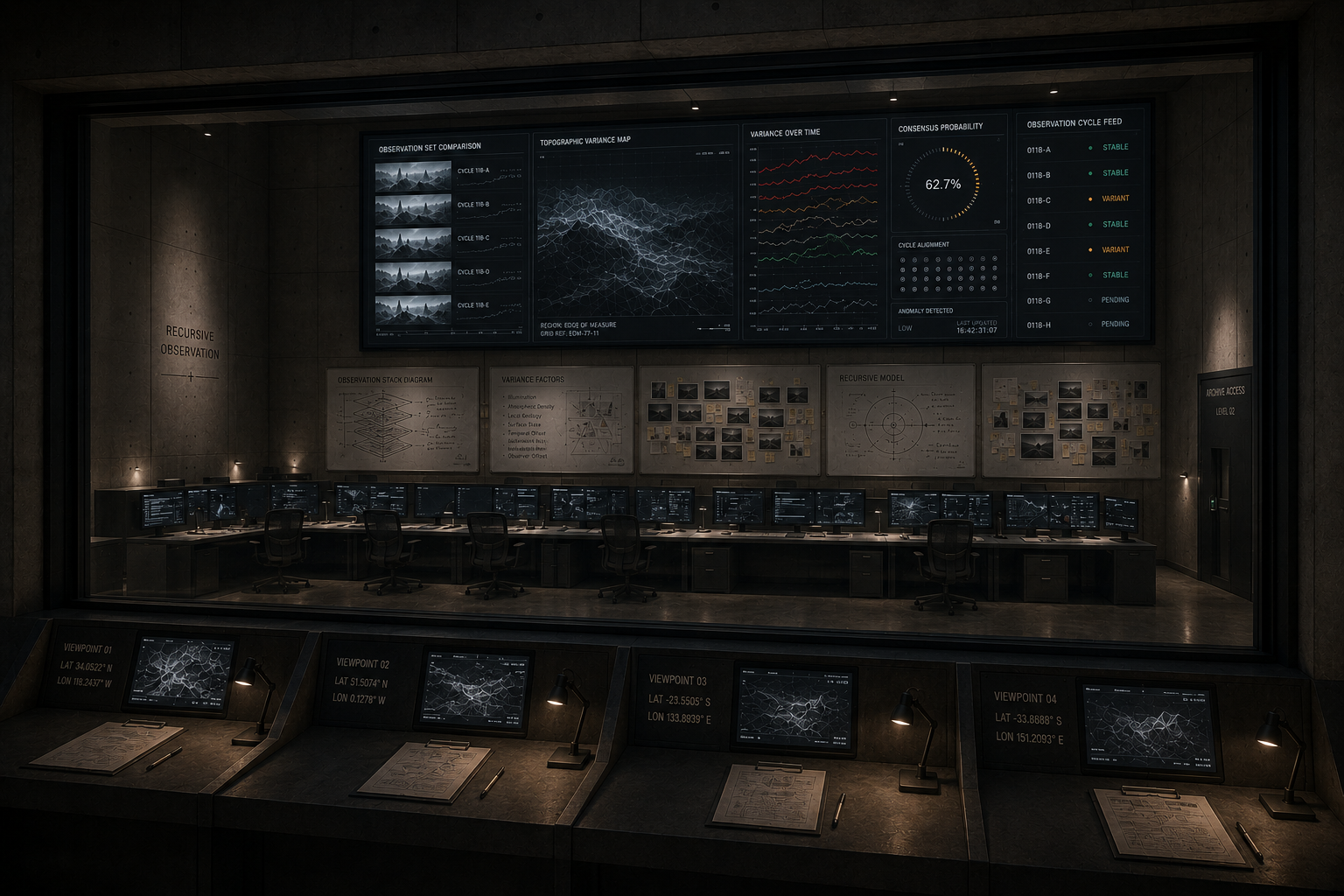
RECURSIVE OBSERVATION
Verification through comparison.
Recursive observation continuously compares independent observation cycles across time. Persistent agreement strengthens confidence in the record, while unresolved variance initiates further investigation and may result in new anomaly records or runtime revisions.
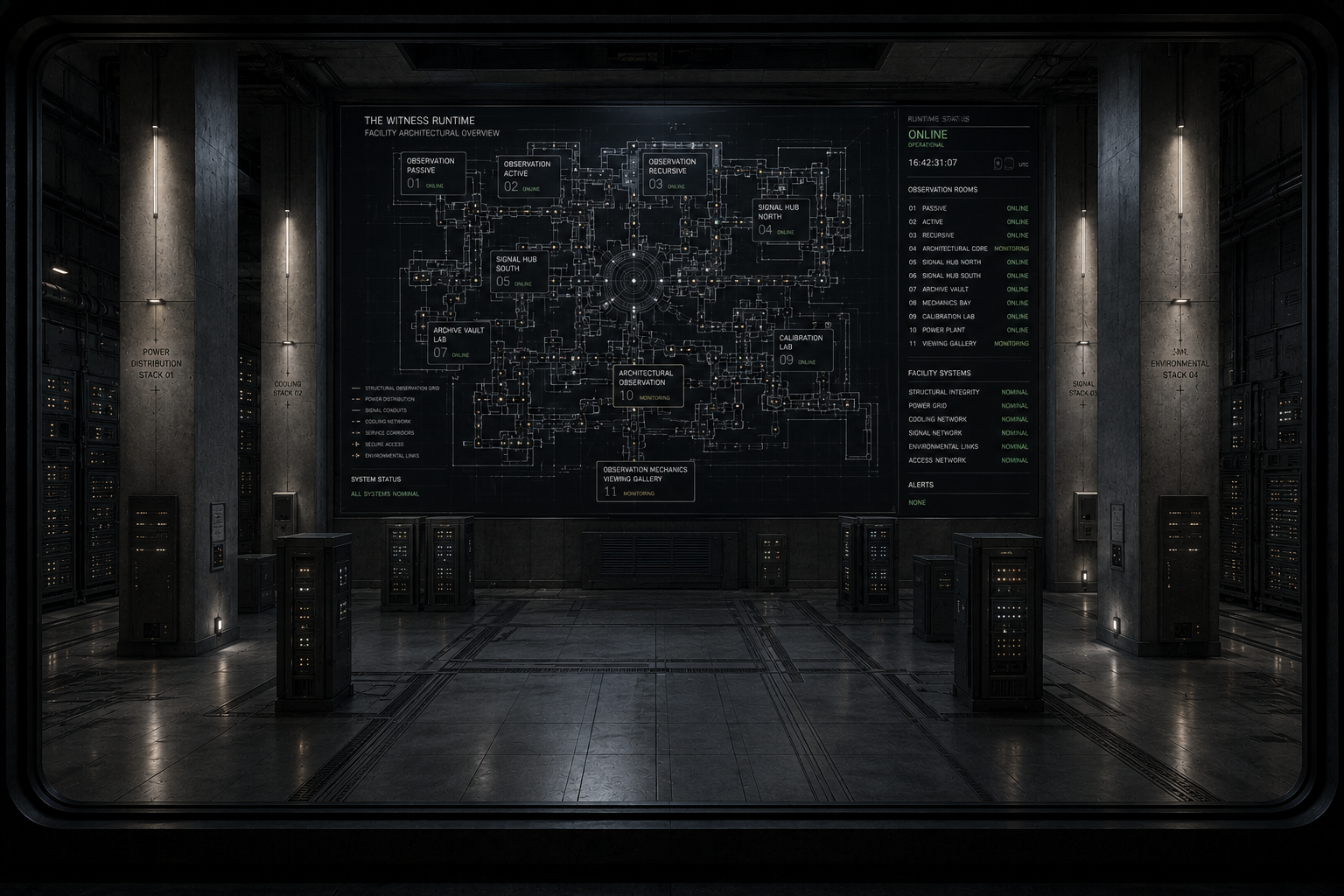
ARCHITECTURAL OBSERVATION
The observer is also observed.
Architectural observation extends beyond individual observation chambers to monitor the facility as a single operational system. Structural integrity, environmental stability, signal continuity, and chamber performance are continuously evaluated to preserve the conditions under which observation remains possible.
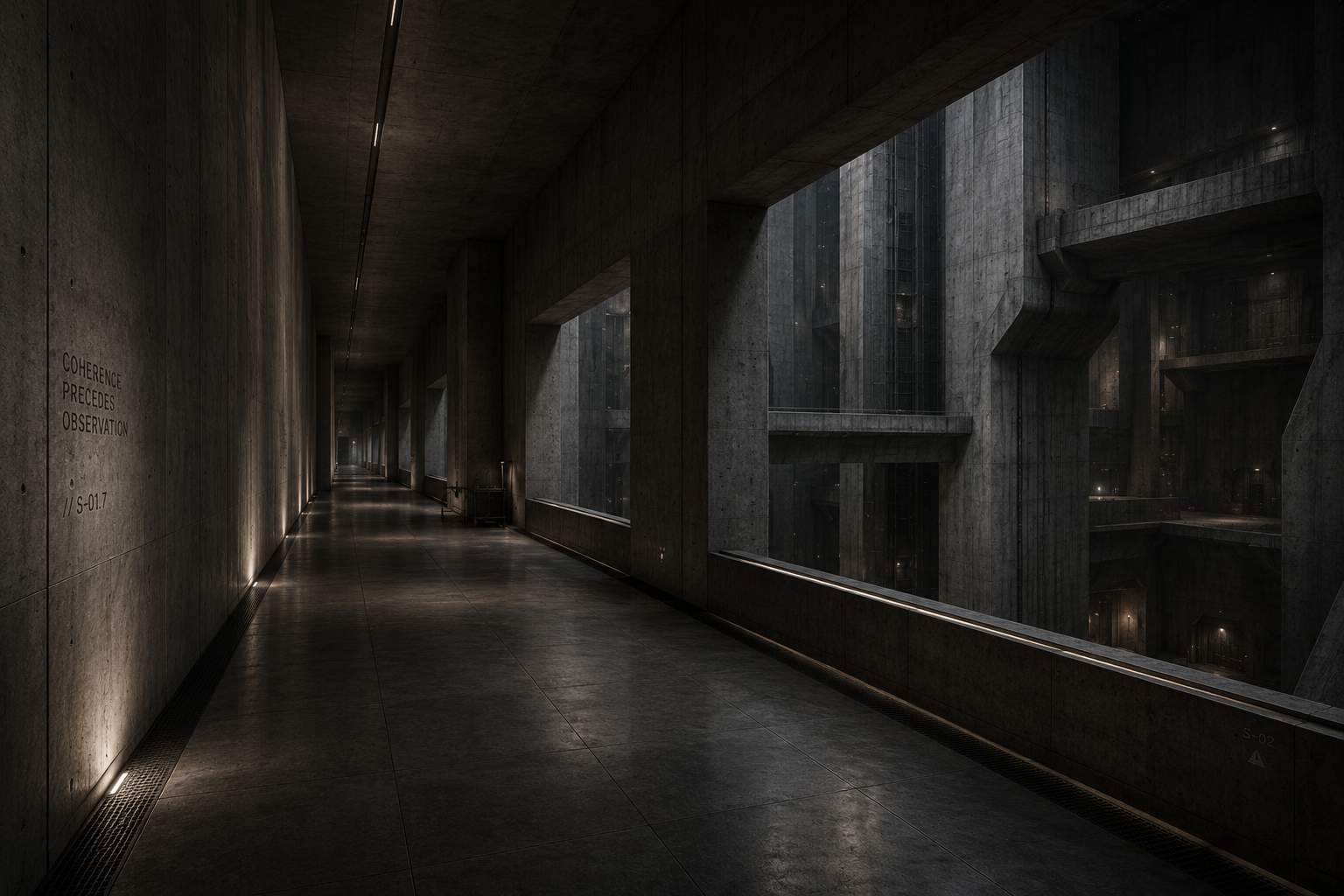
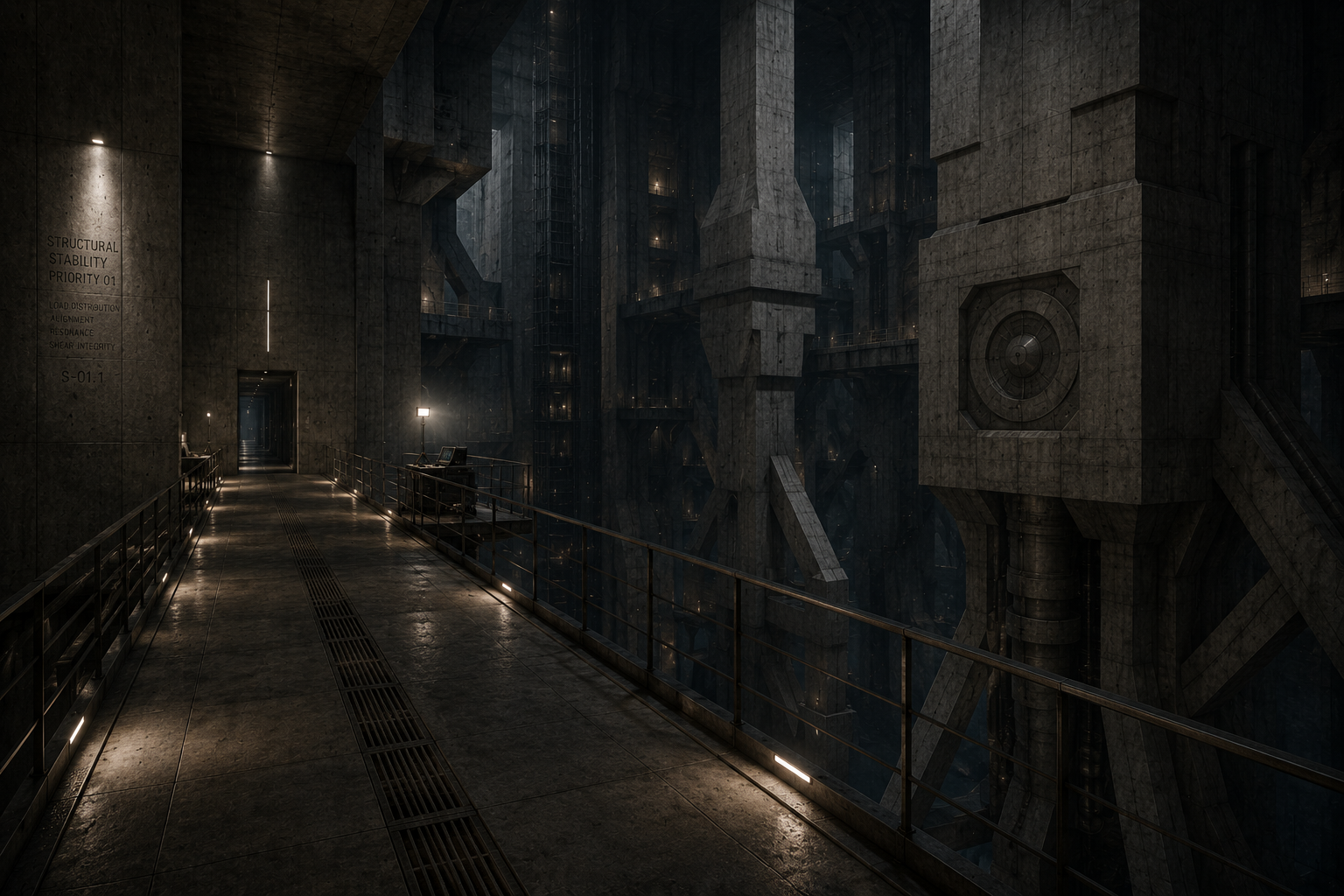
STRUCTURAL STABILITY
Coherence through foundation.
This chamber observes the underlying framework upon which stable reality depends. Inspection platforms, instruments, and lighting are temporary human additions. The structure itself belongs to an older system whose original purpose remains unknown.
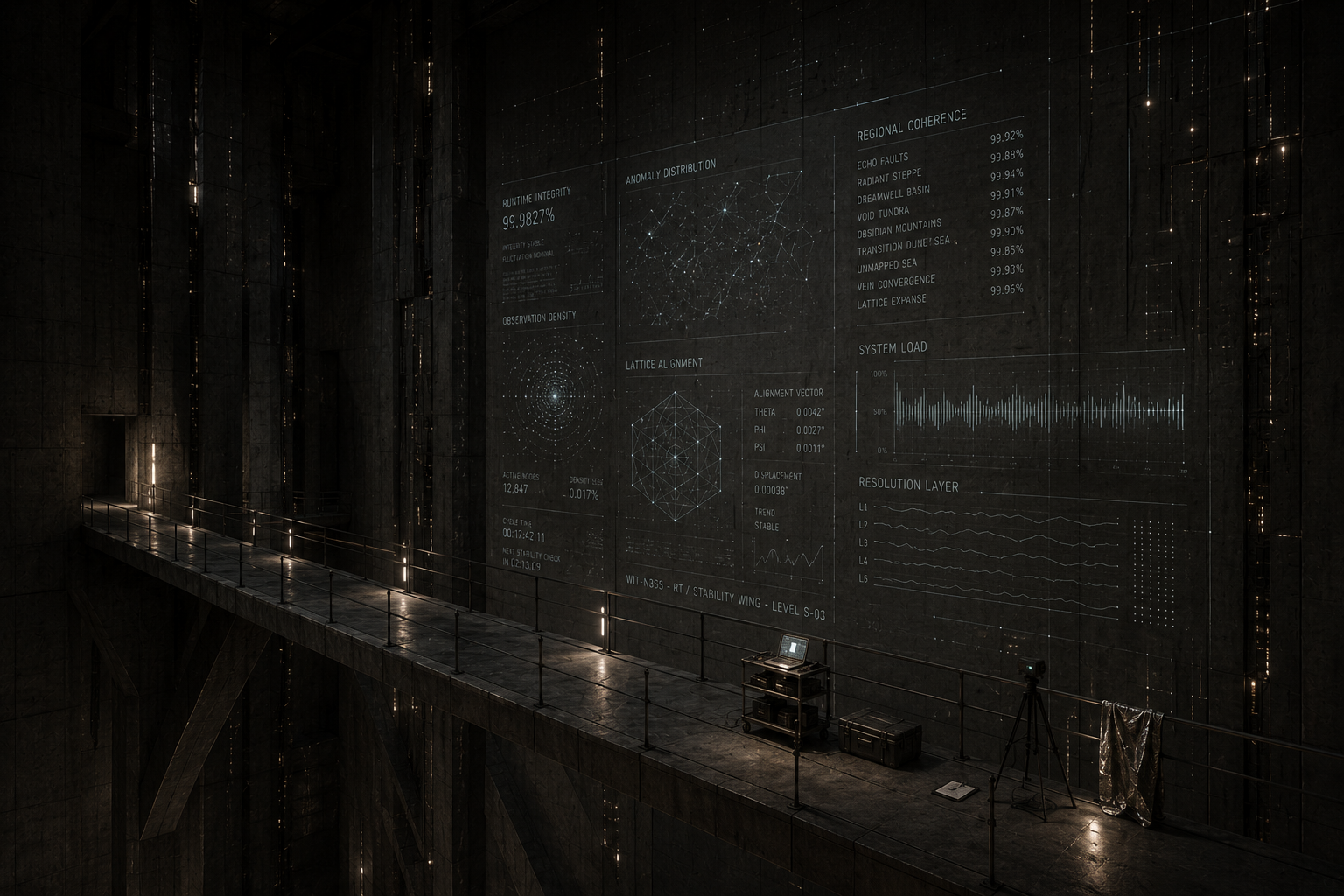
RUNTIME STABILITY
Continuity through coherence.
Runtime Stability observes the condition of the simulation itself. Human inspection stations provide temporary access to an ongoing process, while the surrounding architecture continuously monitors structural integrity, regional coherence, and observation load without requiring human intervention.
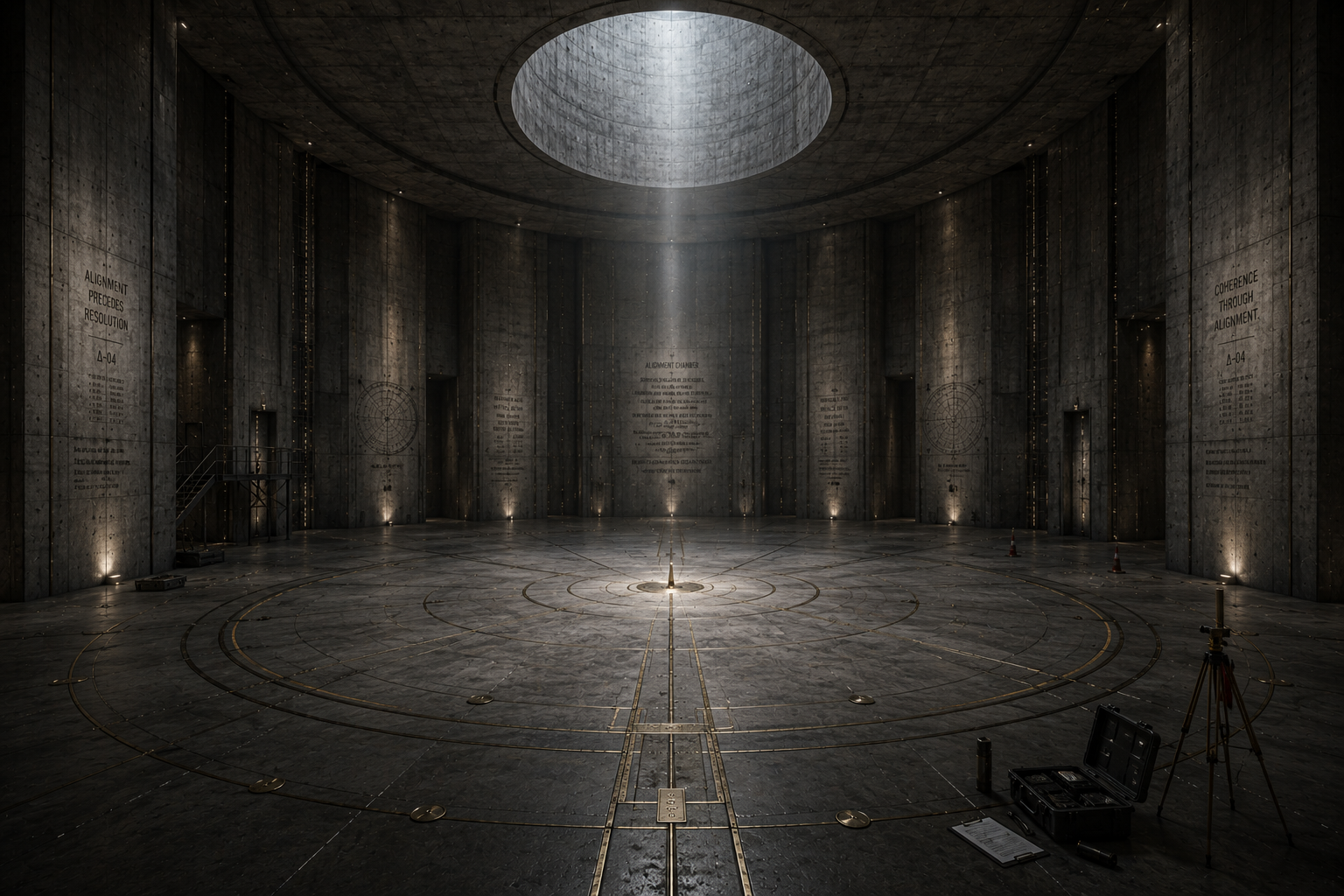
ALIGNMENT CHAMBER
Reference through alignment.
Alignment chambers establish a common reference before observation begins. Survey equipment is positioned relative to the chamber's fixed datum rather than the surrounding environment. The origin of the chamber remains unknown, though its geometry continues to provide stable reference conditions for independent observation.
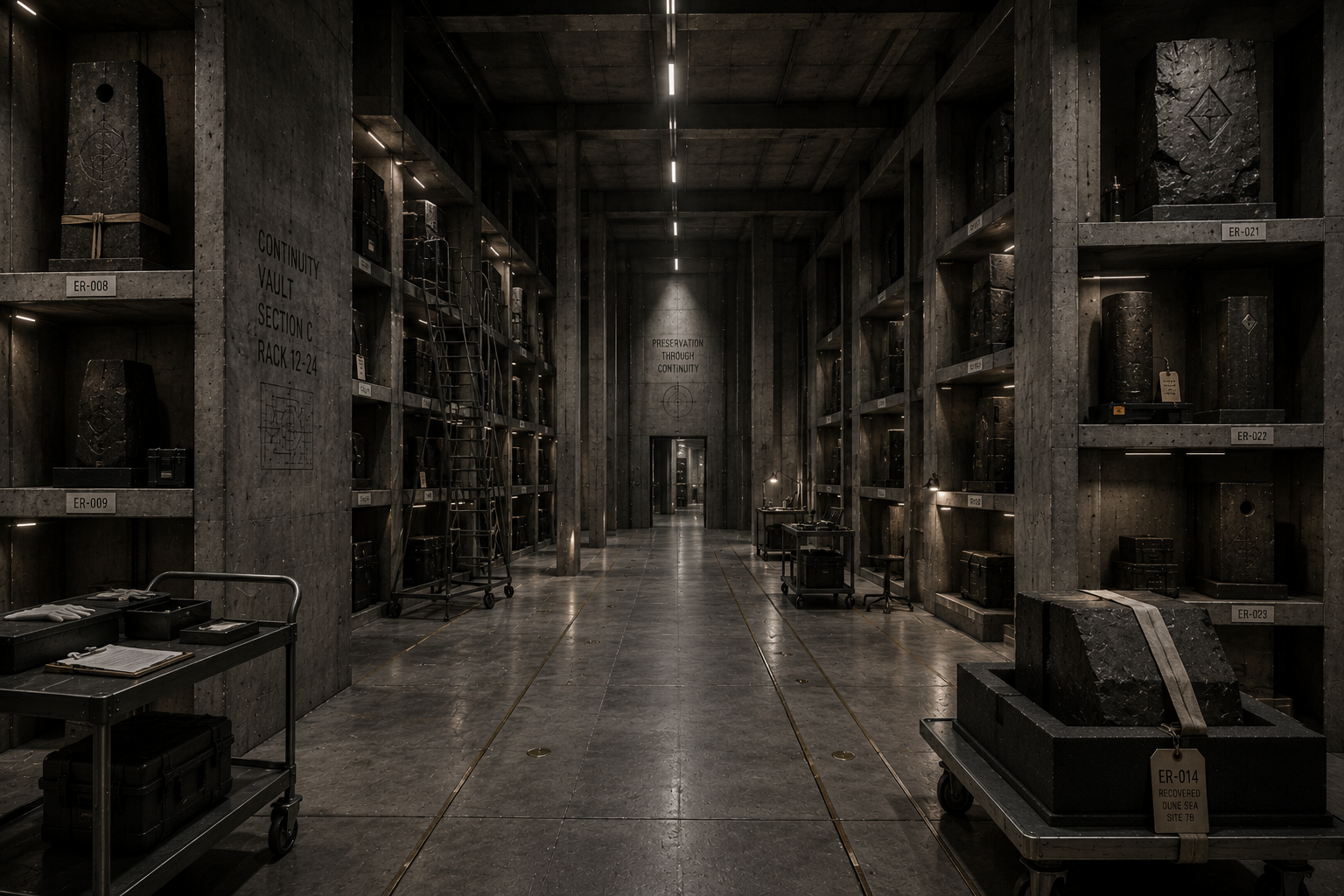
CONTINUITY VAULT
Preservation through continuity.
The Continuity Vault preserves physical evidence essential to long-term system verification. Reference artefacts, structural samples, and recovered materials are retained under controlled conditions to maintain an uninterrupted record across successive observation cycles. Classification continues as new relationships emerge.
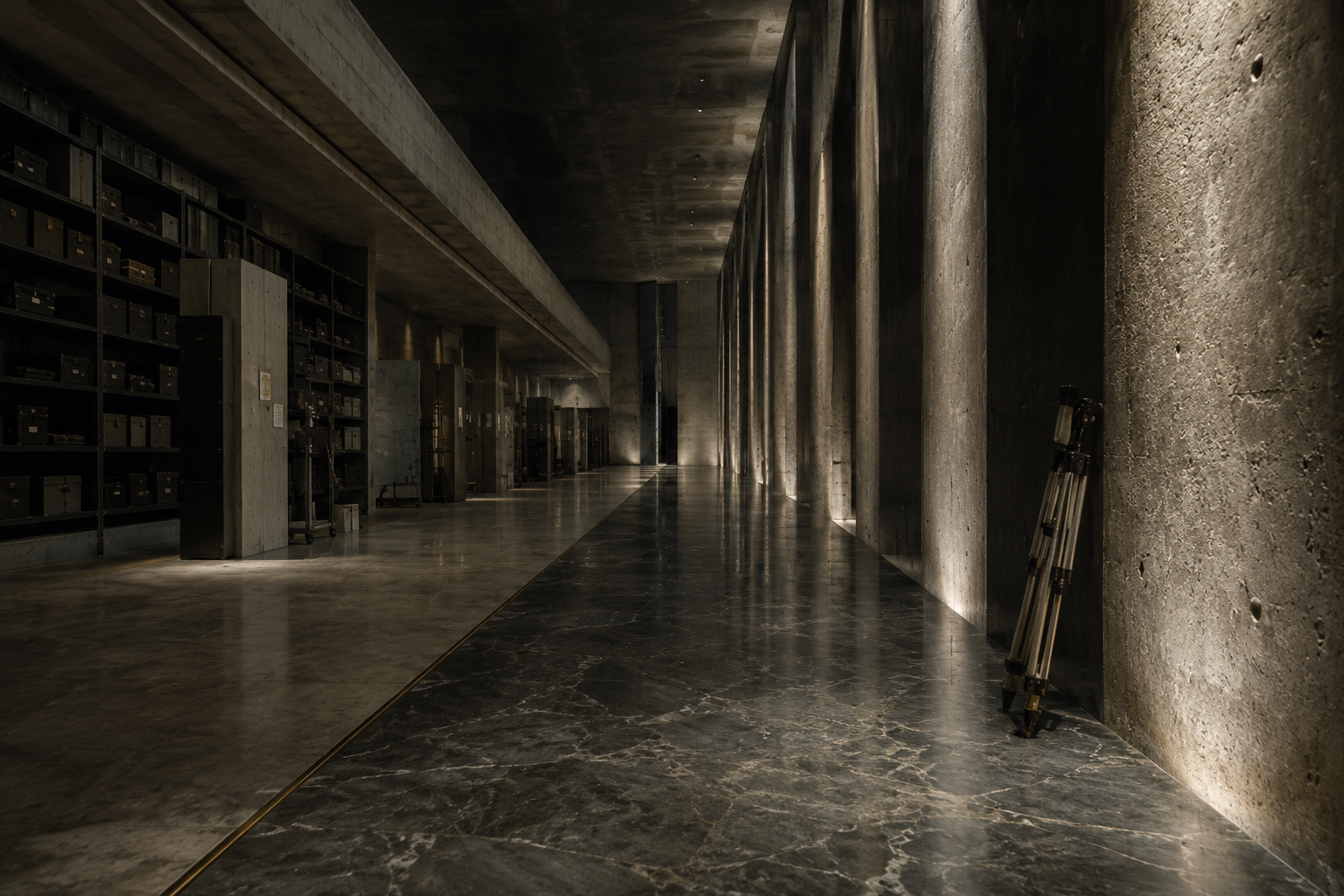
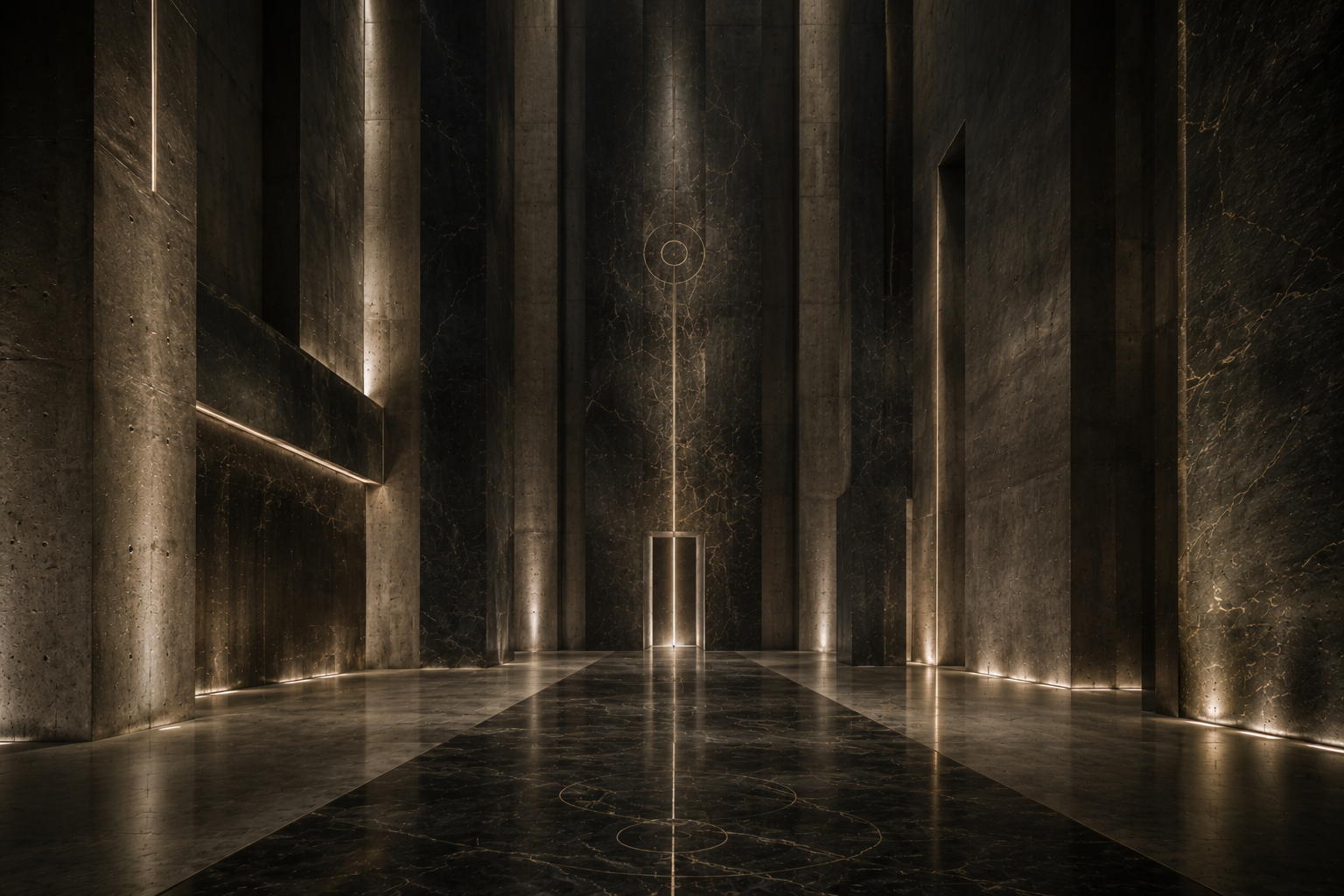
INTERPRETATION HALL
Meaning through observation.
Interpretation does not assign meaning to the record. It discovers relationships already present. Beyond this chamber, the distinction between human infrastructure and simulation architecture begins to dissolve, revealing a system that appears older than the facility built to study it.
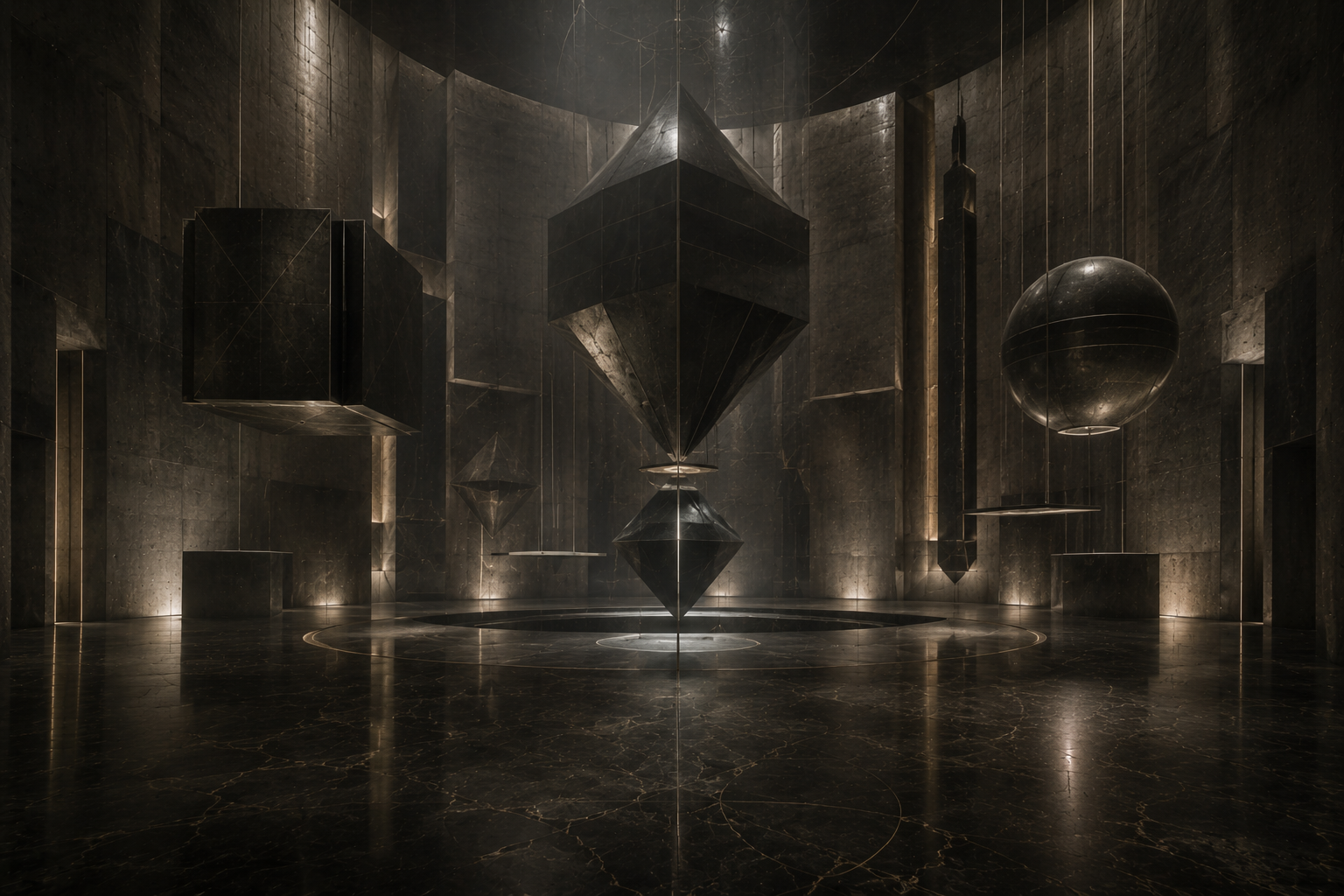
CONVERGENCE CHAMBER
Coherence through convergence.
Independent observations remain unresolved until sufficient agreement exists between them. Here, relationships are not imposed but allowed to emerge, as the architecture quietly resolves observation into coherent structure.
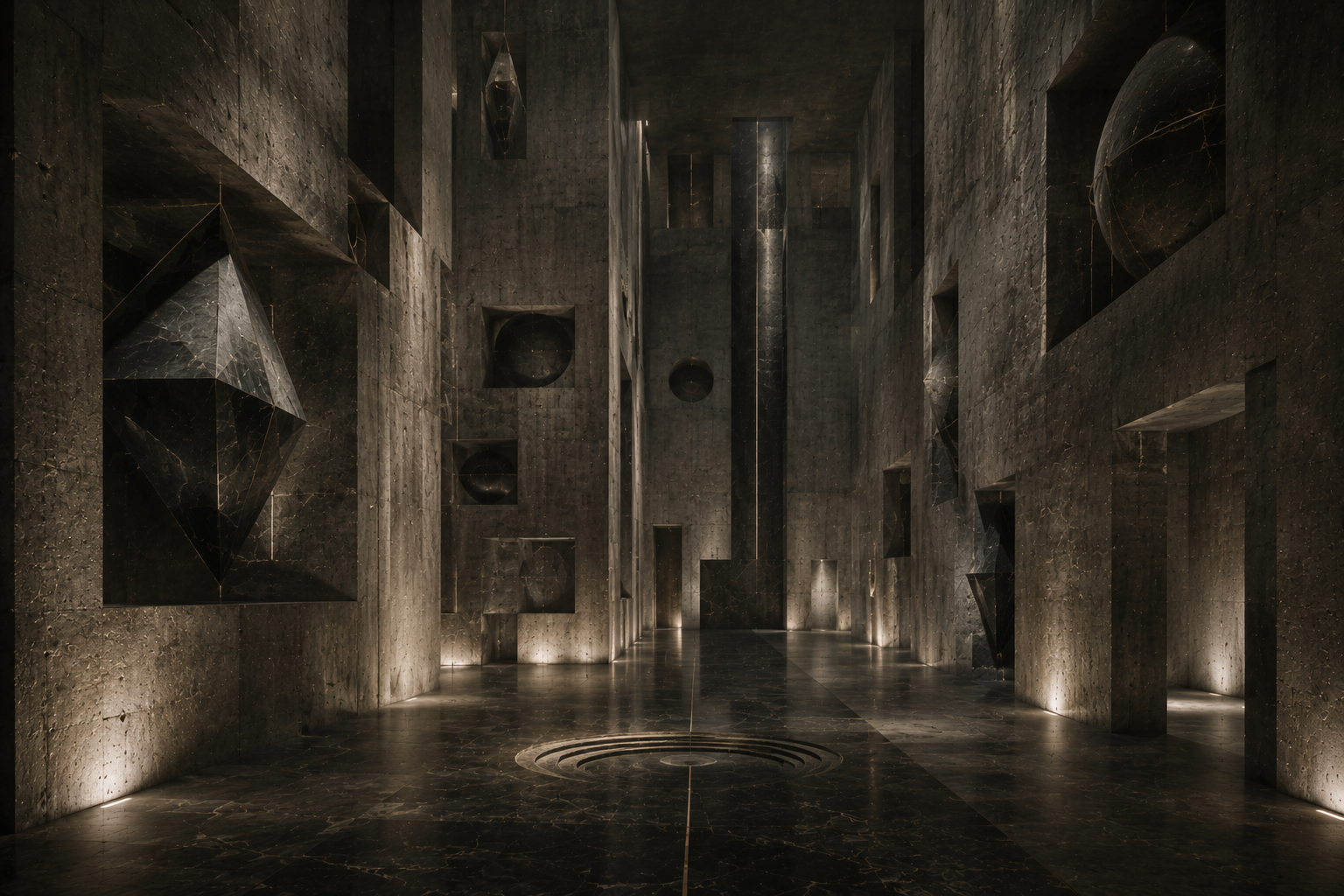
SUSPENSION GALLERY
Continuity through uncertainty.
Interpretation remains suspended until independent observations achieve structural coherence. Unresolved relationships are retained without alteration, preserving every possibility until the system can distinguish evidence from assumption.
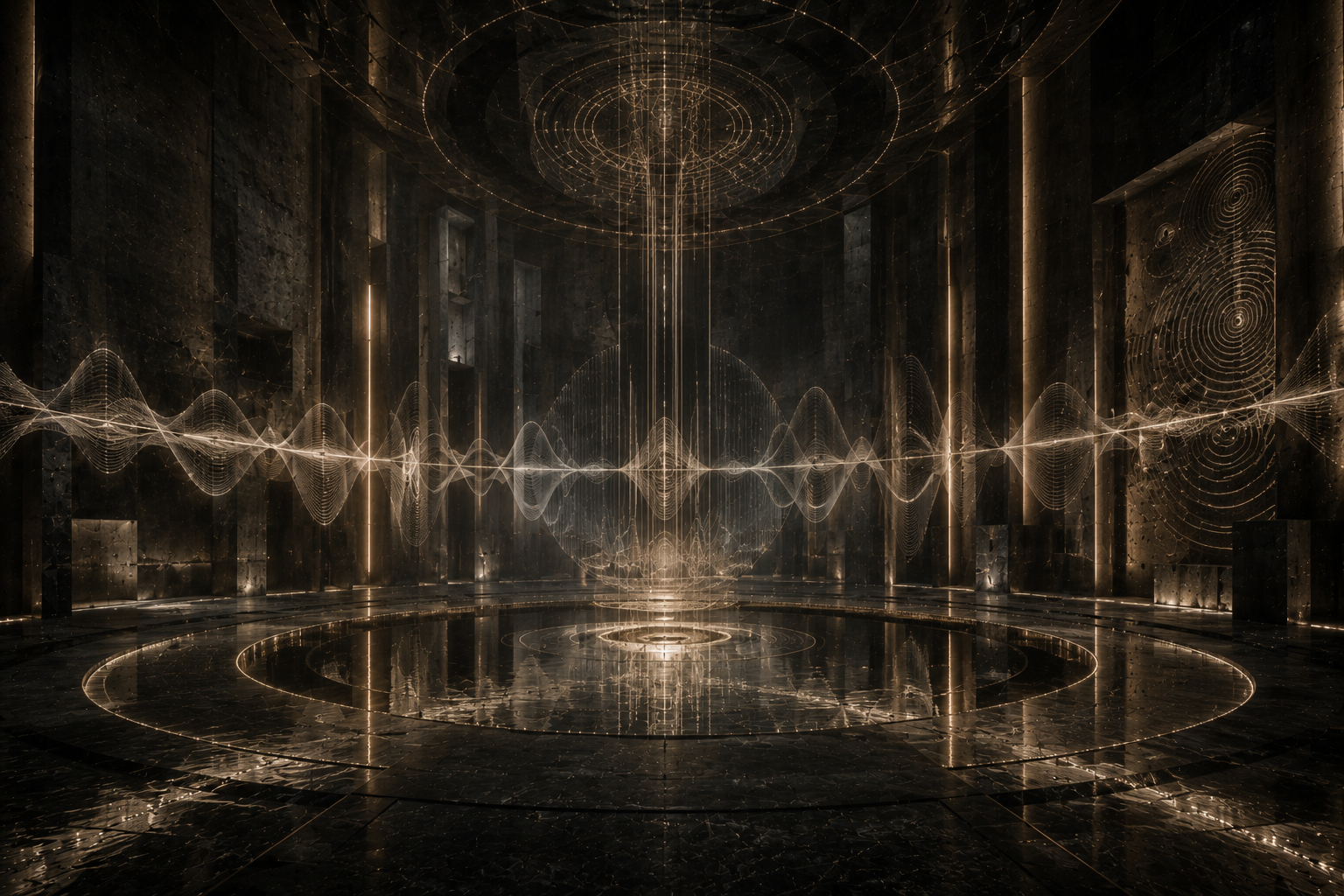
HARMONIC INTERPRETER
Meaning through resonance.
The Harmonic Interpreter continuously resolves observation through harmonic correspondence. Signals are neither processed nor decoded; they are permitted to converge until coherent relationships emerge naturally from the architecture itself.
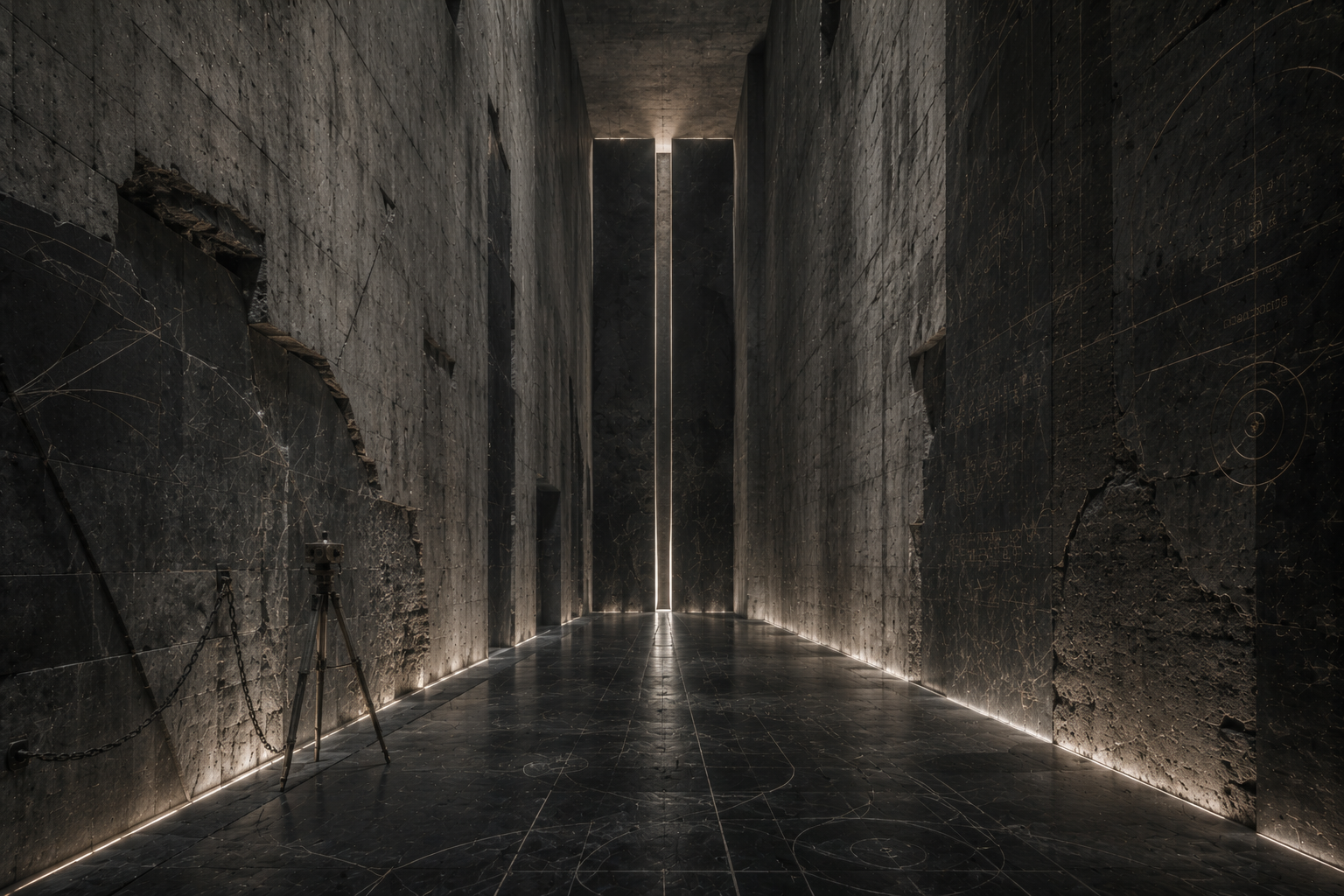
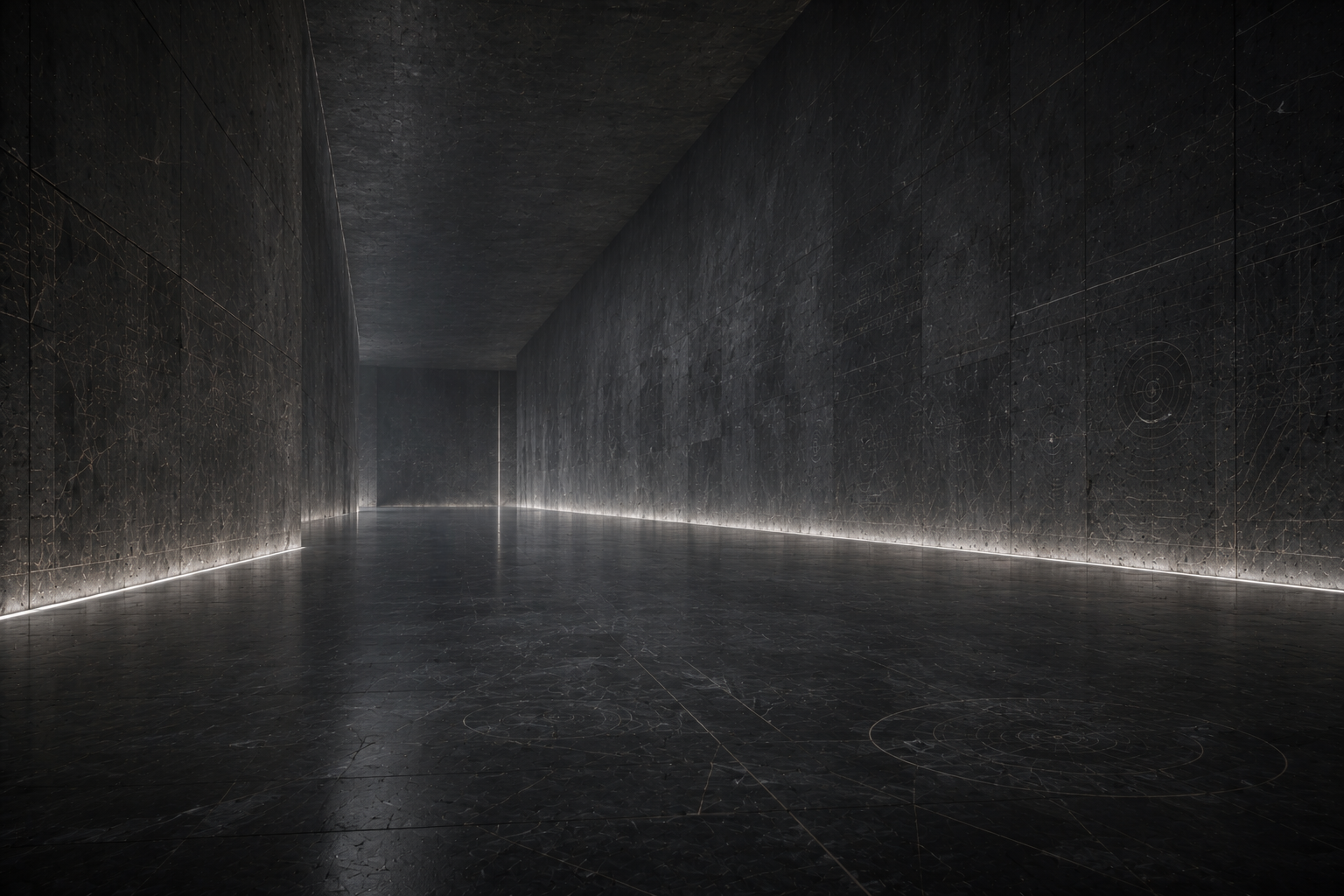
PERSISTENT FIELD
Persistence without decay.
The Persistent Field reveals architecture that no longer participates in deterioration. Once coherence is established, continuity no longer depends upon occupation, maintenance, or observation, but endures as a permanent condition of the System.
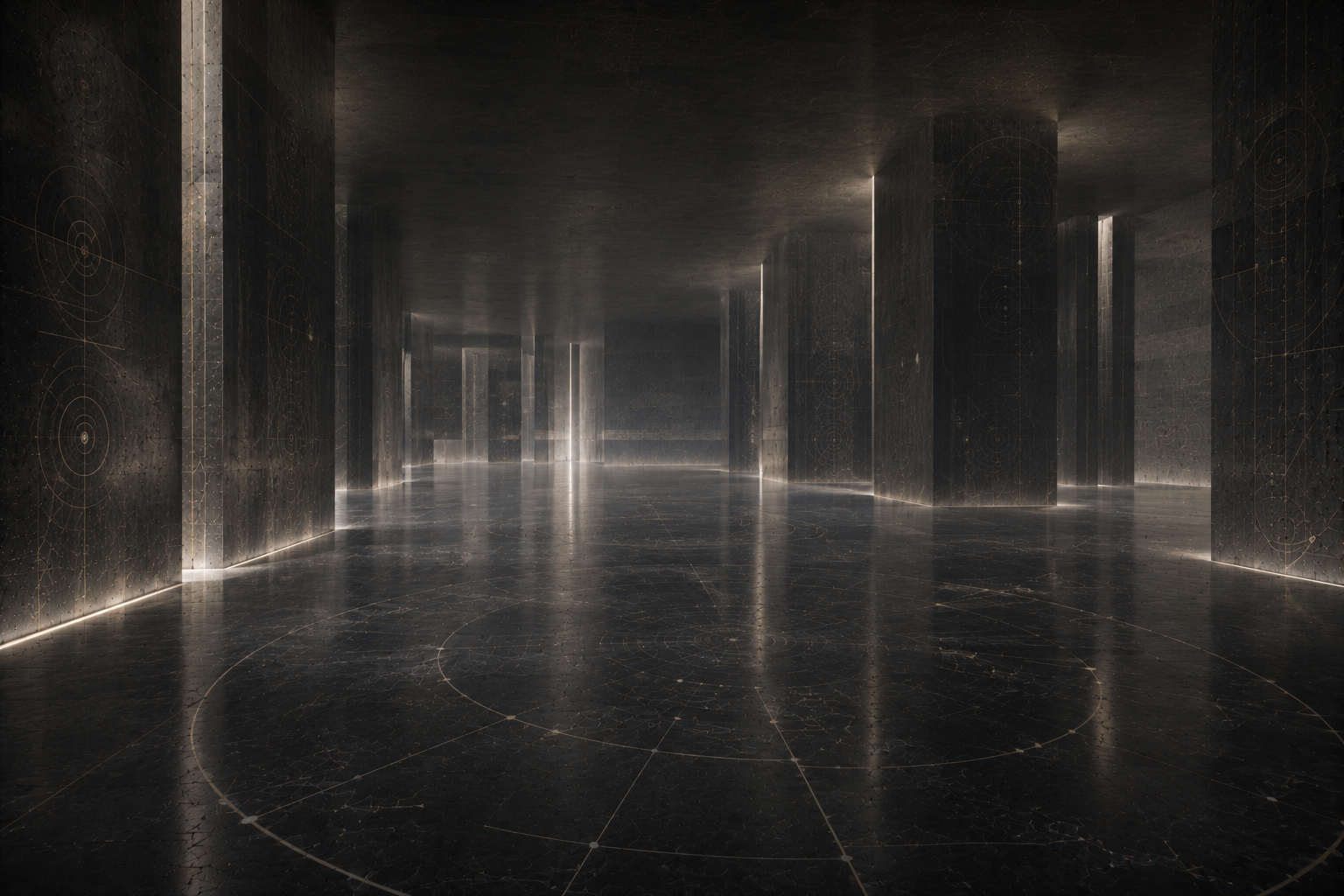
COHERENCE PLANE
Coherence without intervention.
Resolved observations propagate naturally through the continuous substrate, allowing stable states to persist without measurement, correction, or interpretation. Continuity emerges as a property of the architecture itself.
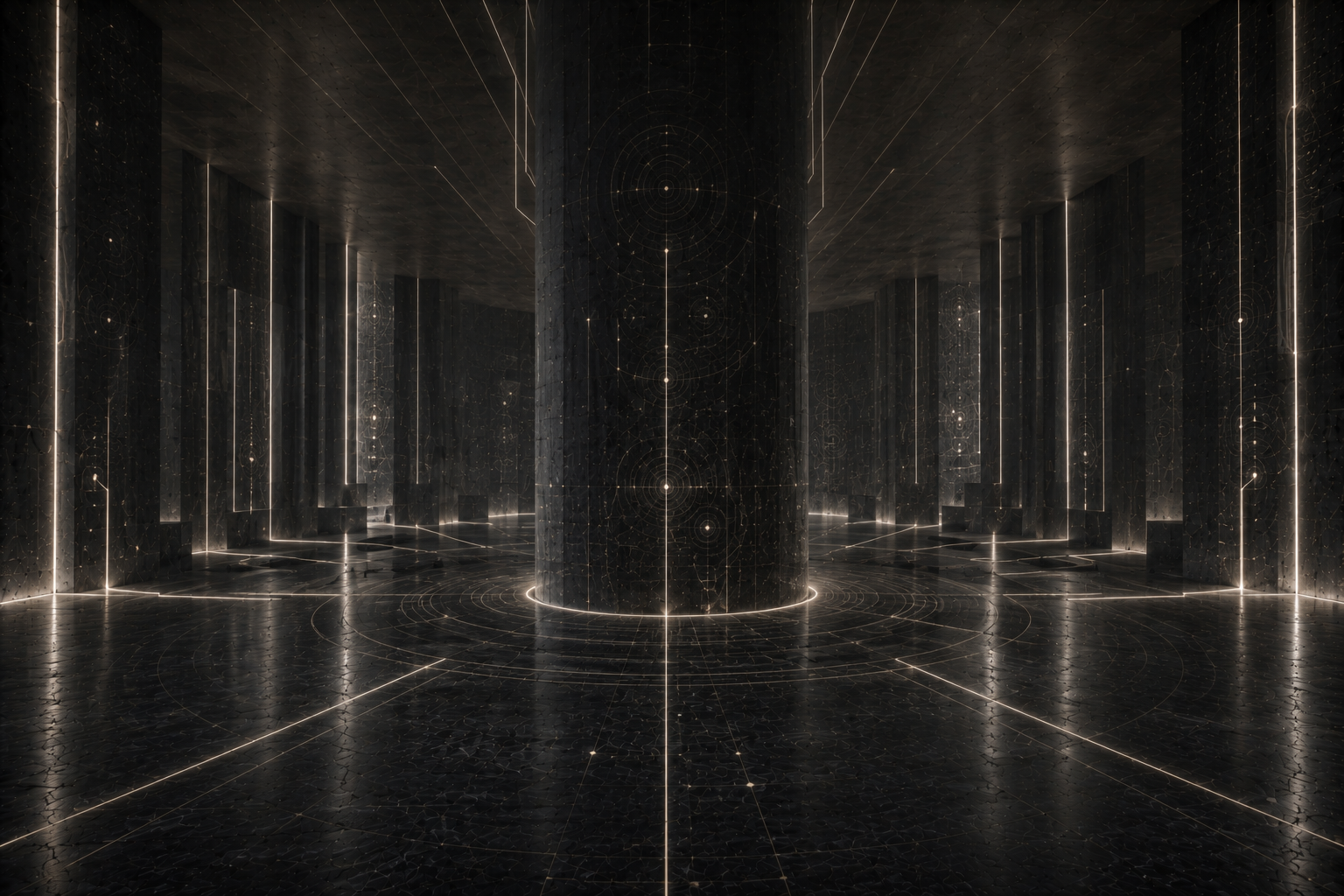
CONTINUITY NEXUS
Continuity without direction.
The Continuity Nexus allows coherent states to propagate throughout the System without instruction or intervention. Persistence is no longer governed by operation, but by the inherent order of the substrate itself.
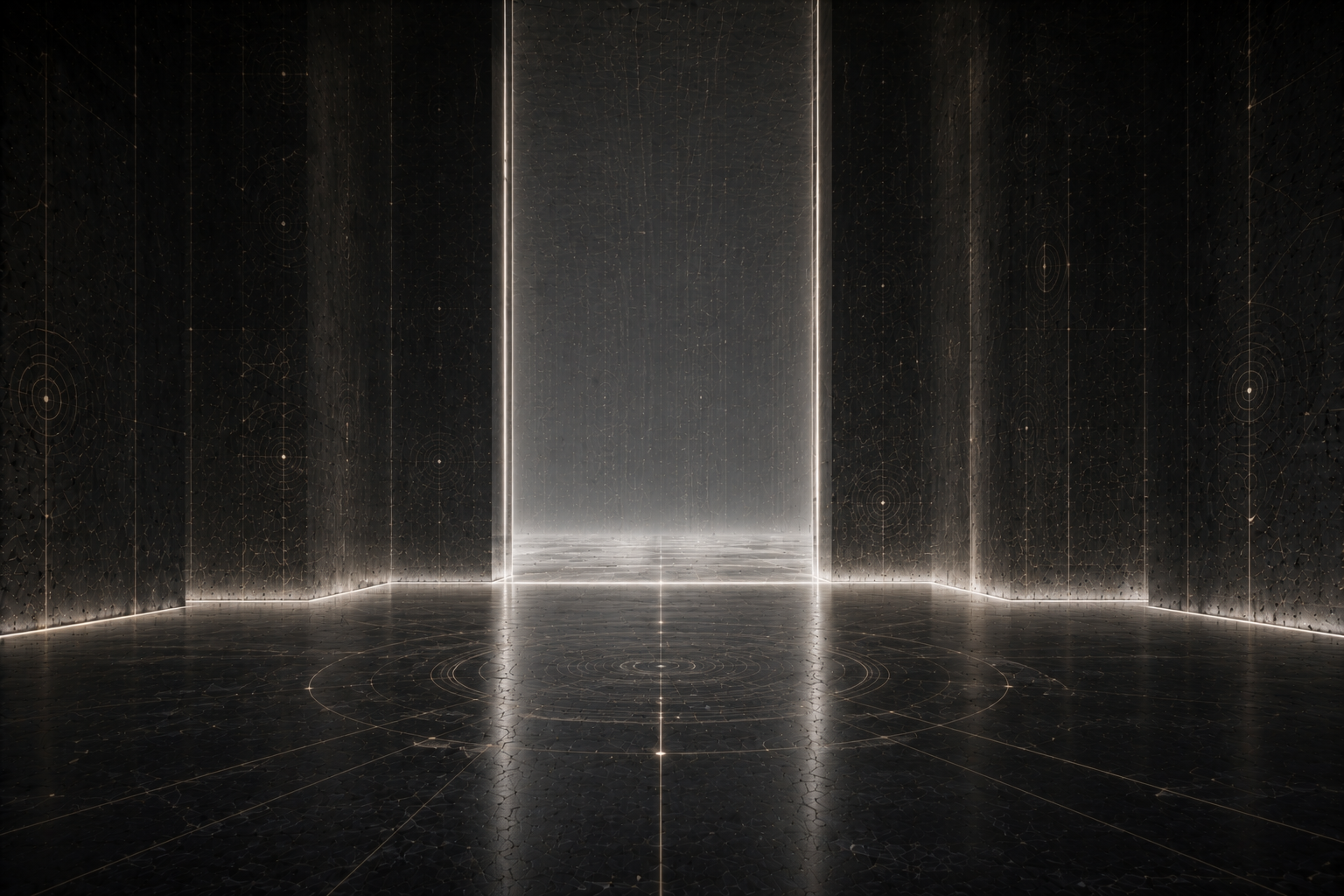
PRESERVATION THRESHOLD
The architecture remains.
The Preservation Threshold marks the disappearance of the final human adaptations. Beyond this point, the System is encountered in its native form, unchanged by those who discovered it and indifferent to those who observe it.
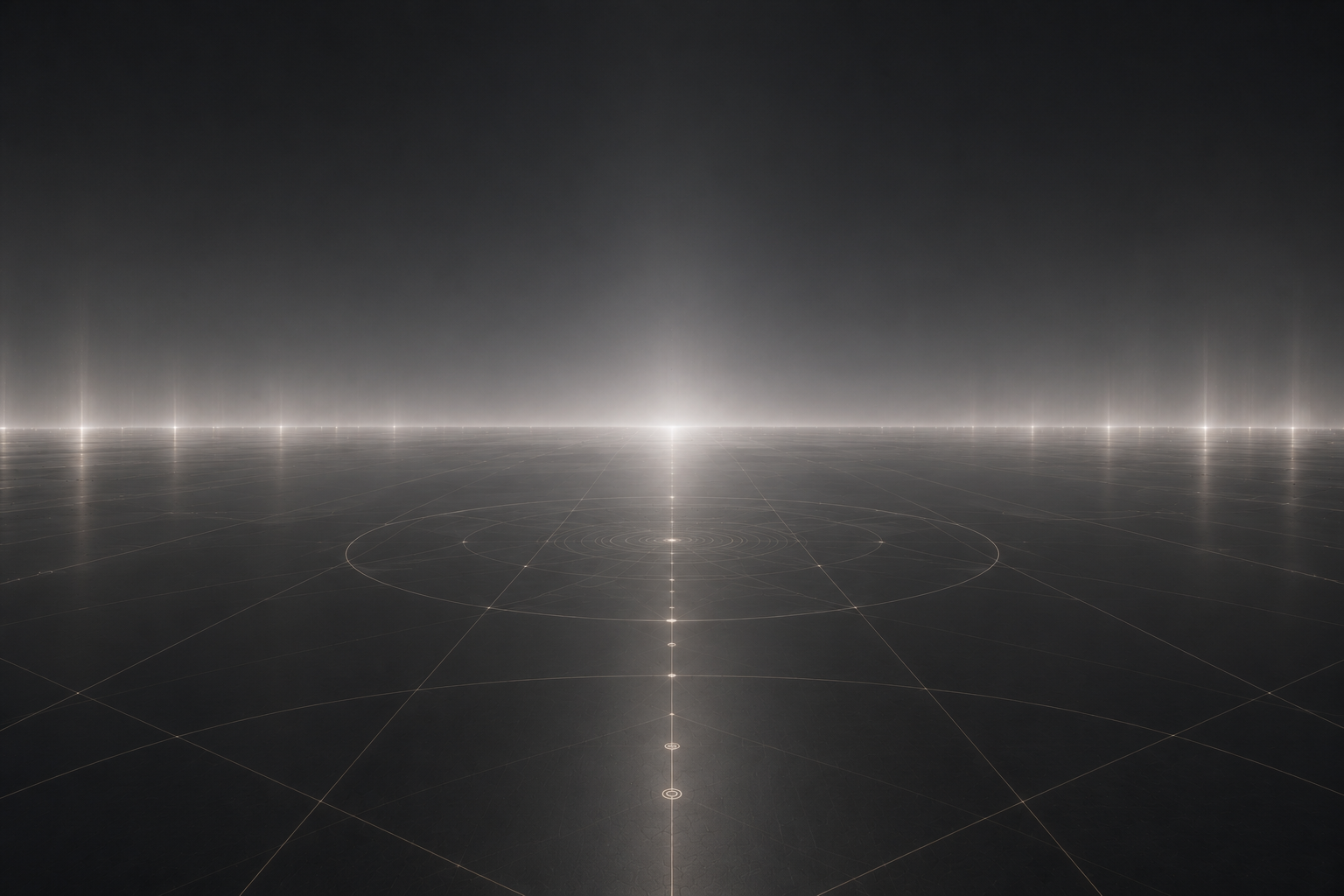
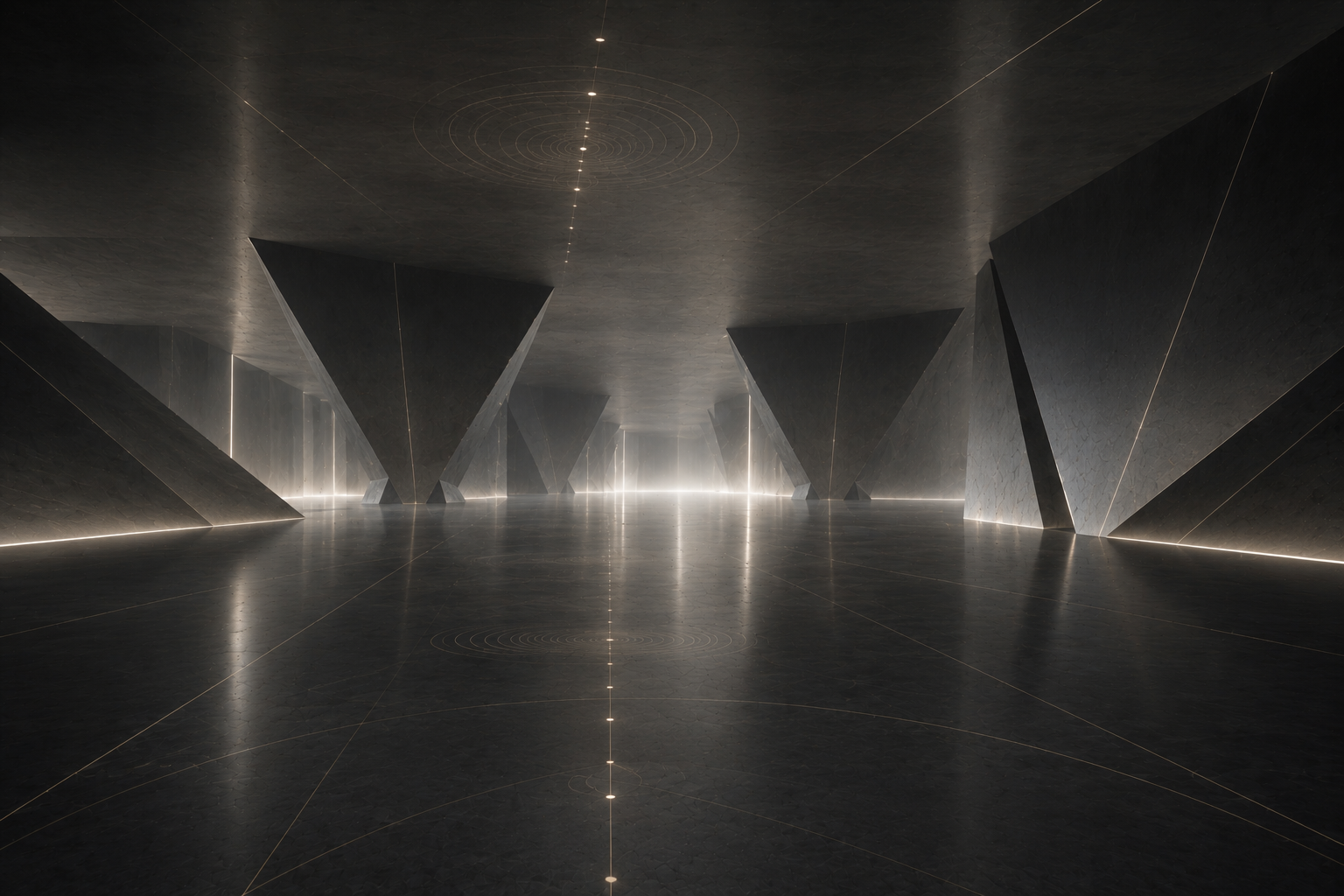
PRESERVATION PLANE
Preservation without effort.
The Preservation Plane reveals the System in its original state. Nothing is maintained because nothing requires maintenance. Coherent structure endures as an intrinsic property of the native architecture, unchanged by observation, occupation, or the passage of time.
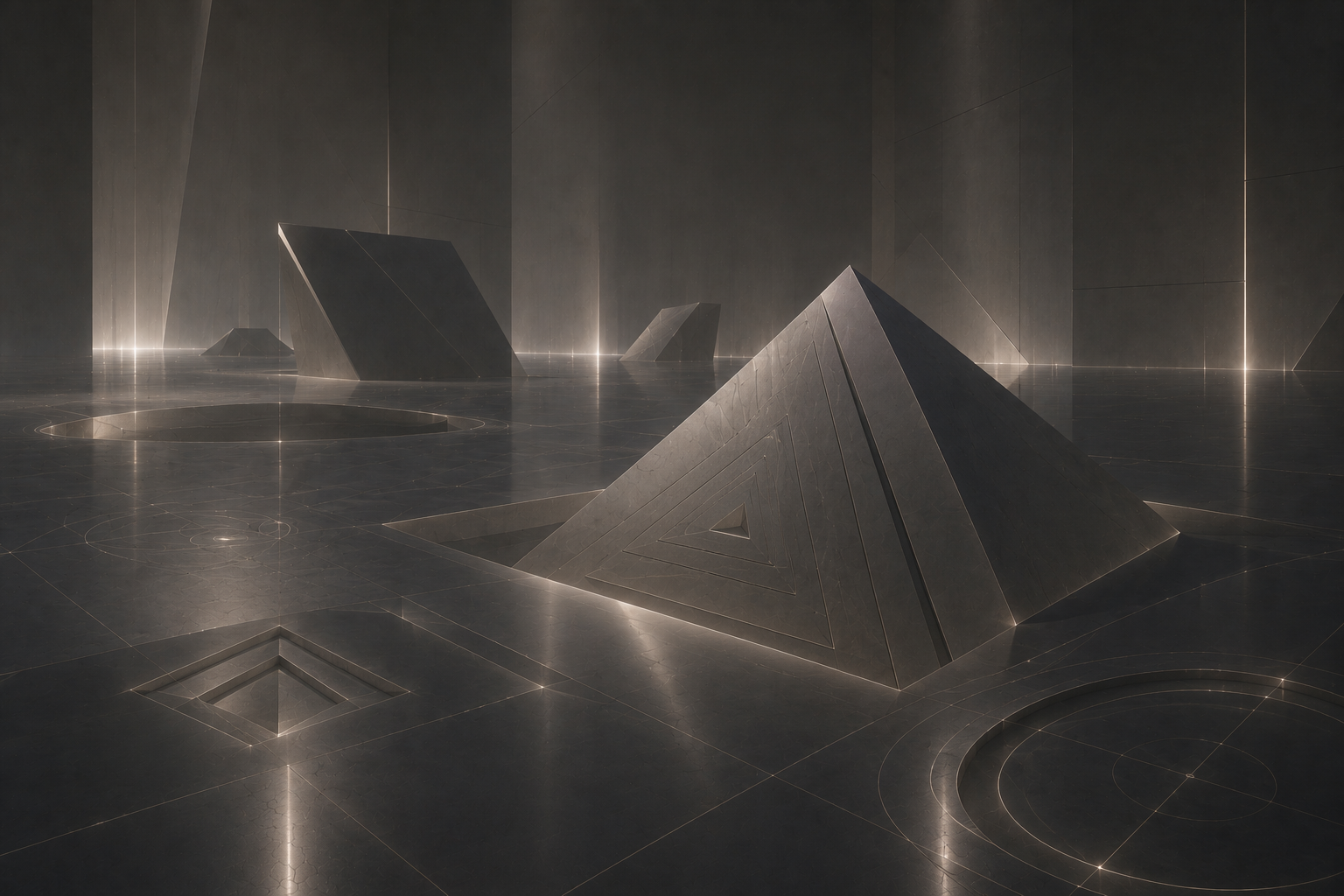
IMMUTABLE FORMS
Constancy without preservation.
The Immutable Forms are not artefacts, but permanent features of the native System. Existing beyond modification or decay, they remain unchanged not through protection, but because alteration has never been possible. They endure as the immutable reference from which coherent reality is continually measured.

PRESERVATION LATTICE
Structure without construction.
The Preservation Lattice reveals the interconnected architecture of the native System. Light travels through the substrate itself, expressing an underlying order that has never required assembly, operation, or repair. Here, architecture is not built; it simply exists.
INTERFACE THRESHOLD
Separation without meaning.
The Interface Threshold is the final recognisable transition within the System. Beyond this point, architecture no longer exists as an independent structure. Material, light, geometry, and function become one continuous expression of the native substrate, preparing the observer for direct interaction with the System itself.

THE INTERFACE
Resolution without boundary.
The Interface is the native state of the System. Here, every distinction between architecture, substrate, light, and observation has dissolved into a single coherent medium. Nothing is entered. Nothing is operated. Reality simply resolves through presence.