
SYMBOL SYSTEMS
Invented signs, glyphs, classification, and how meaning becomes attached to form.
INSTINCT
BEFORE THE SYSTEM, THERE WAS THE MARK
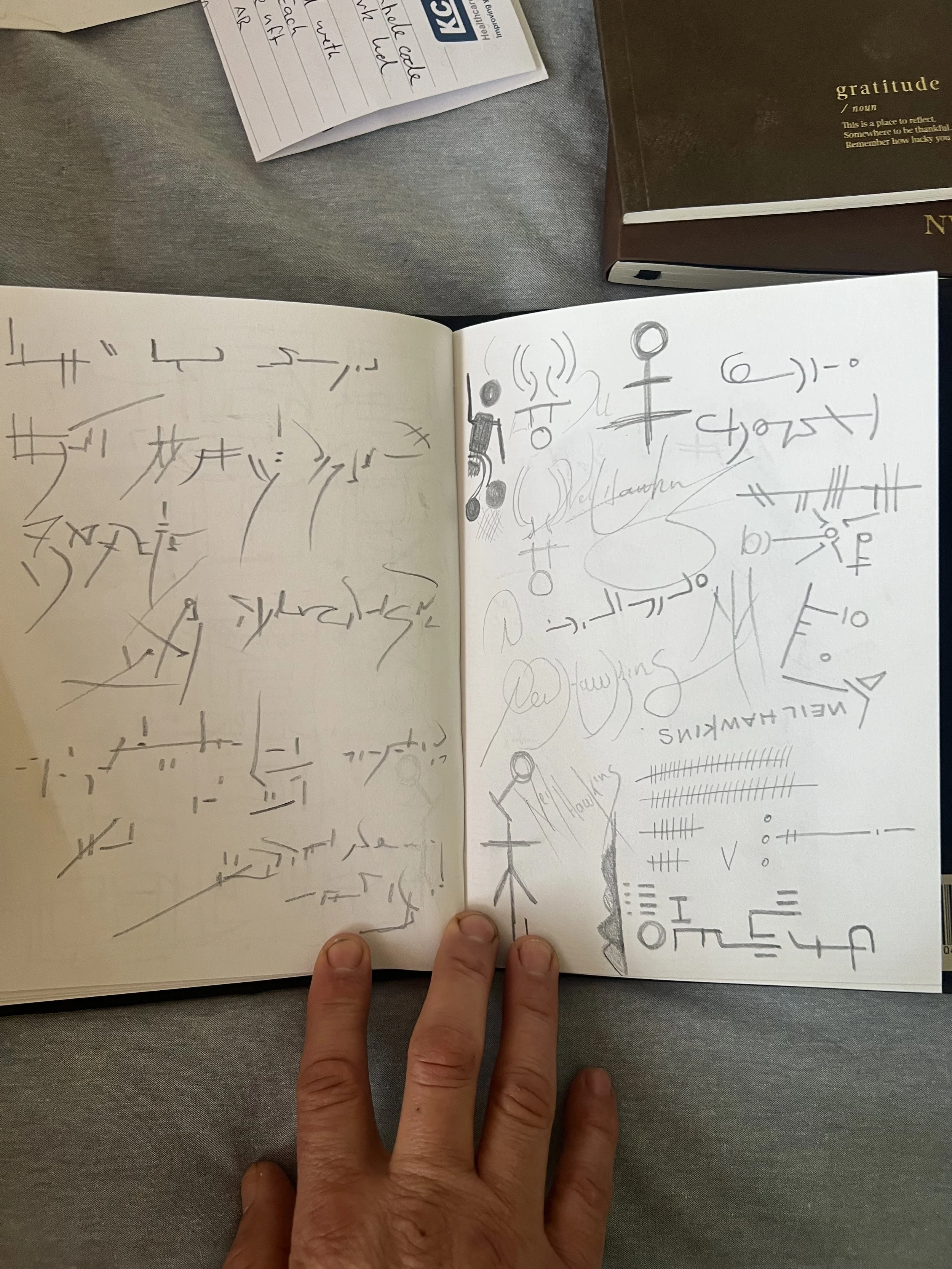
Early drawings, paintings and personal studies reveal a recurring interest in symbolic form, invented language, symmetry and repeated geometry. These works were not created as part of a defined visual system. They were intuitive attempts to give shape to ideas that did not yet have a vocabulary.
Across them, certain forms begin to recur: circles, eyes, branching structures, divided fields, directional marks and abstract figures.
Meaning came later.
PERSONAL ARCHIVE / EARLY STUDY
Symbolic form developed without a defined language.
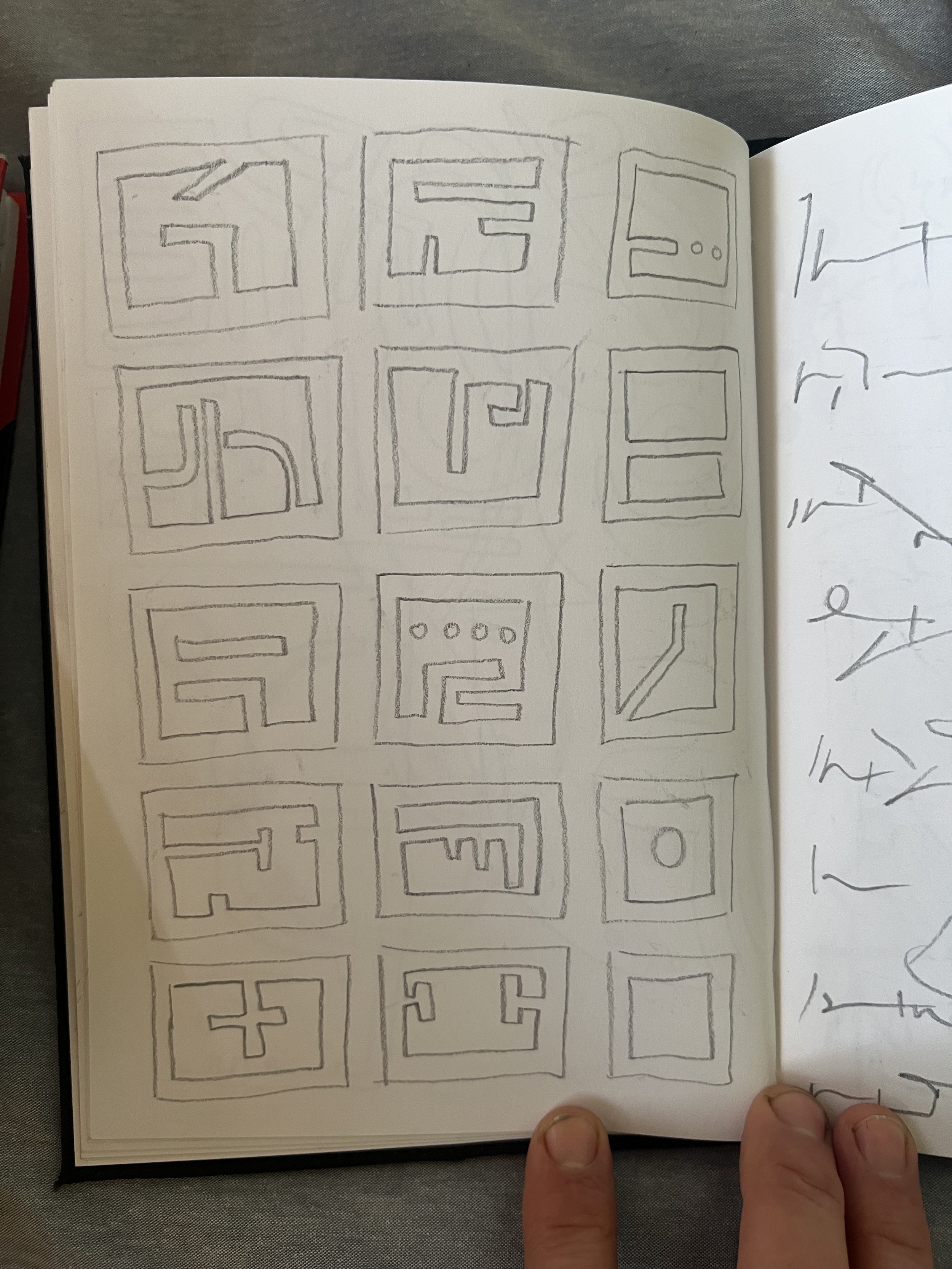
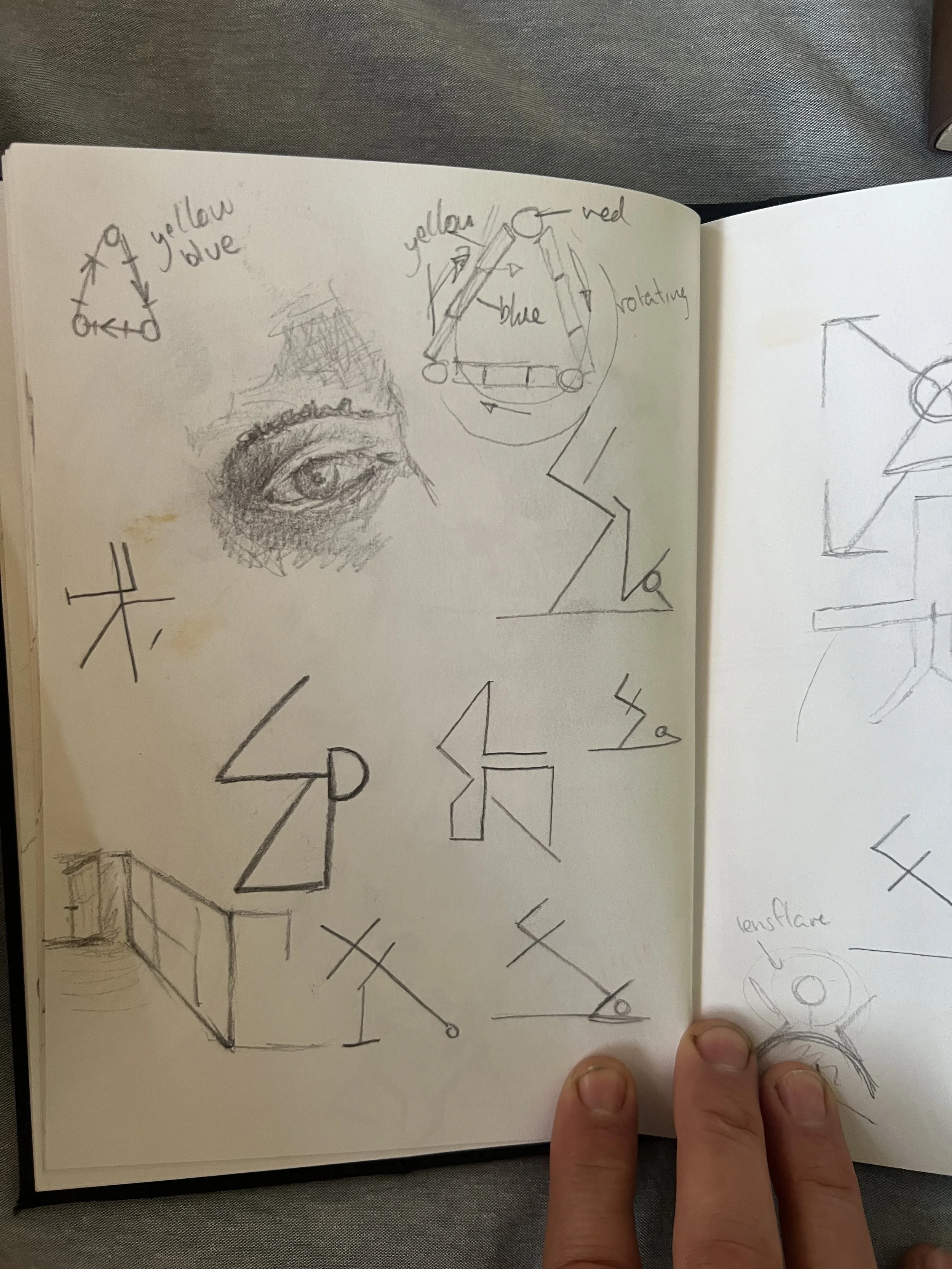
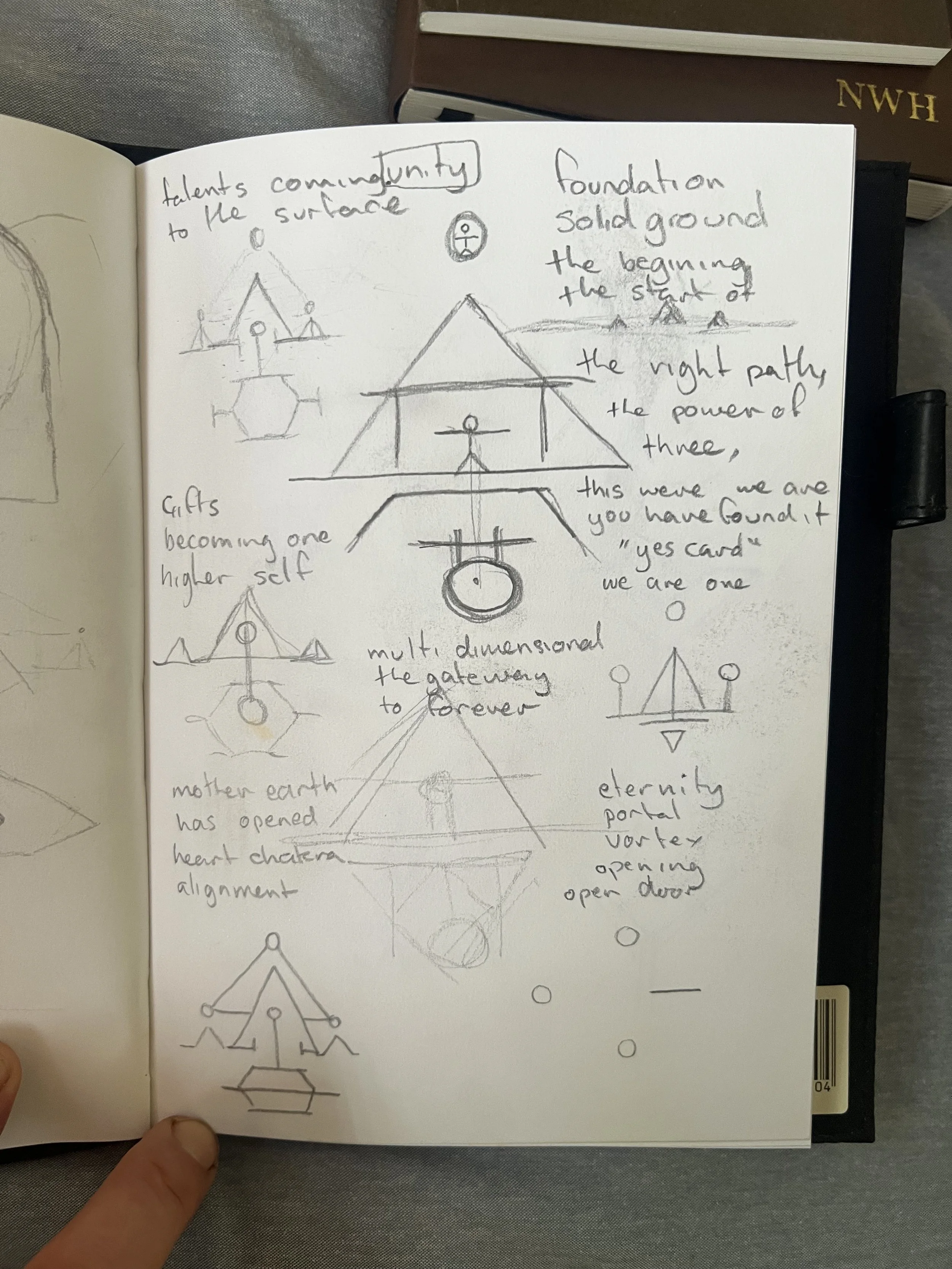
EARLY SYMBOL STUDY / DATE UNKNOWN
Repeated geometric and directional forms.

FORM
THE MARK BECOMES DELIBERATE.
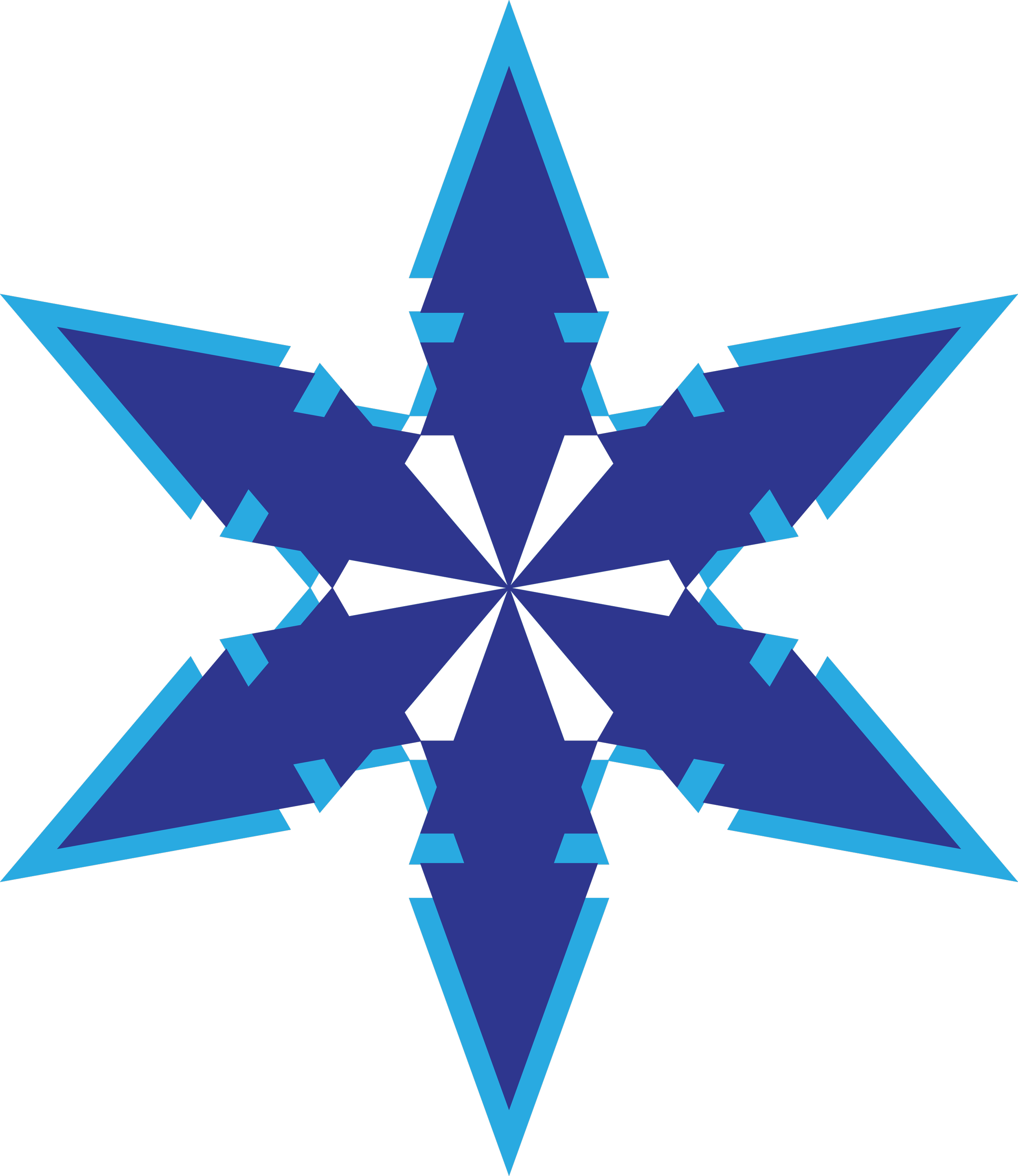
As recurring shapes became more intentional, individual marks were refined, repeated, and reduced.
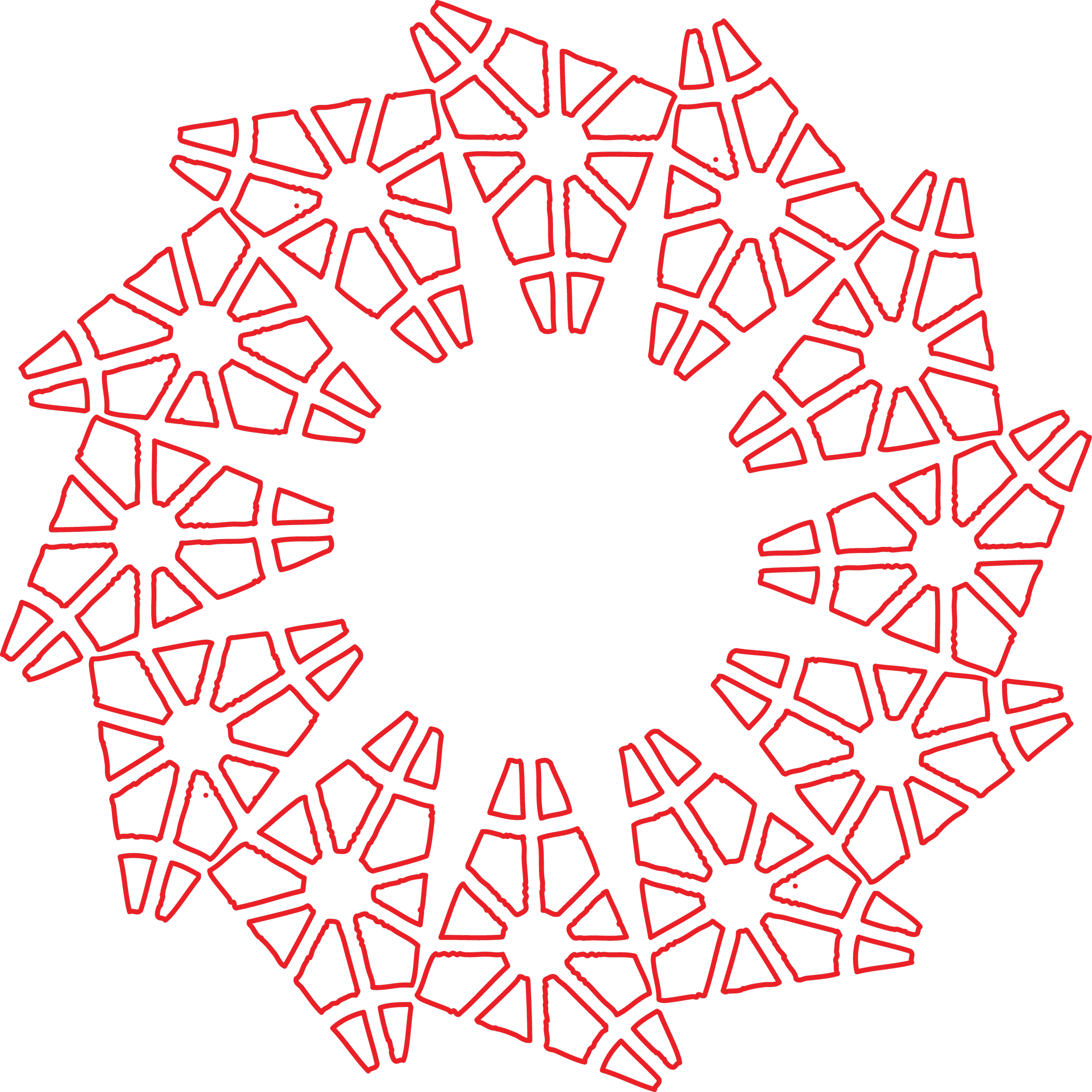
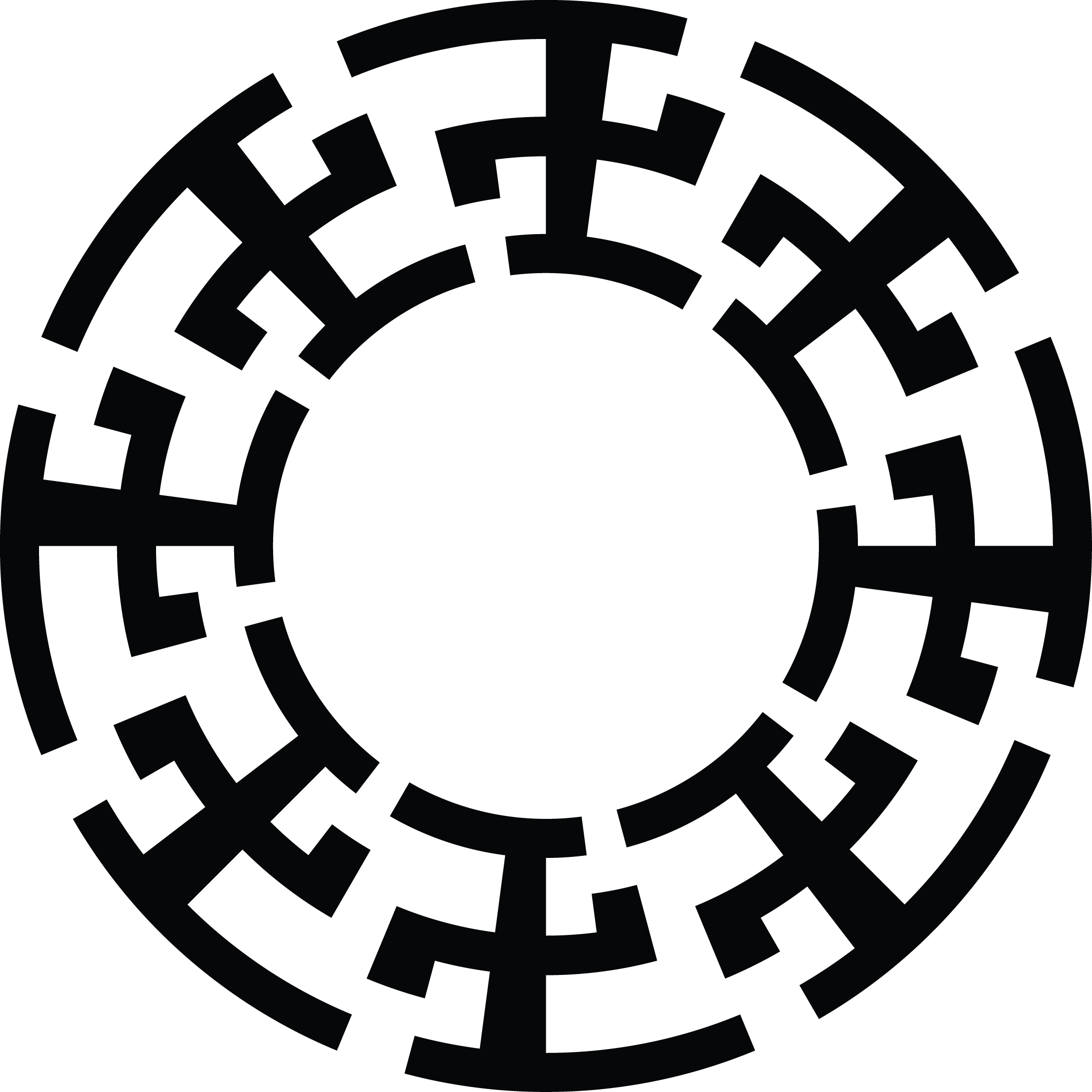
Geometry replaced some of the earlier expressive linework. Symmetry, containment, proportion, and repetition became tools for controlling the form. Symbols began to operate independently from the images around them.
They were not yet a language, but they were becoming designed objects.

LANGUAGE
THE MARK BEGINS TO MEAN SOMETHING.
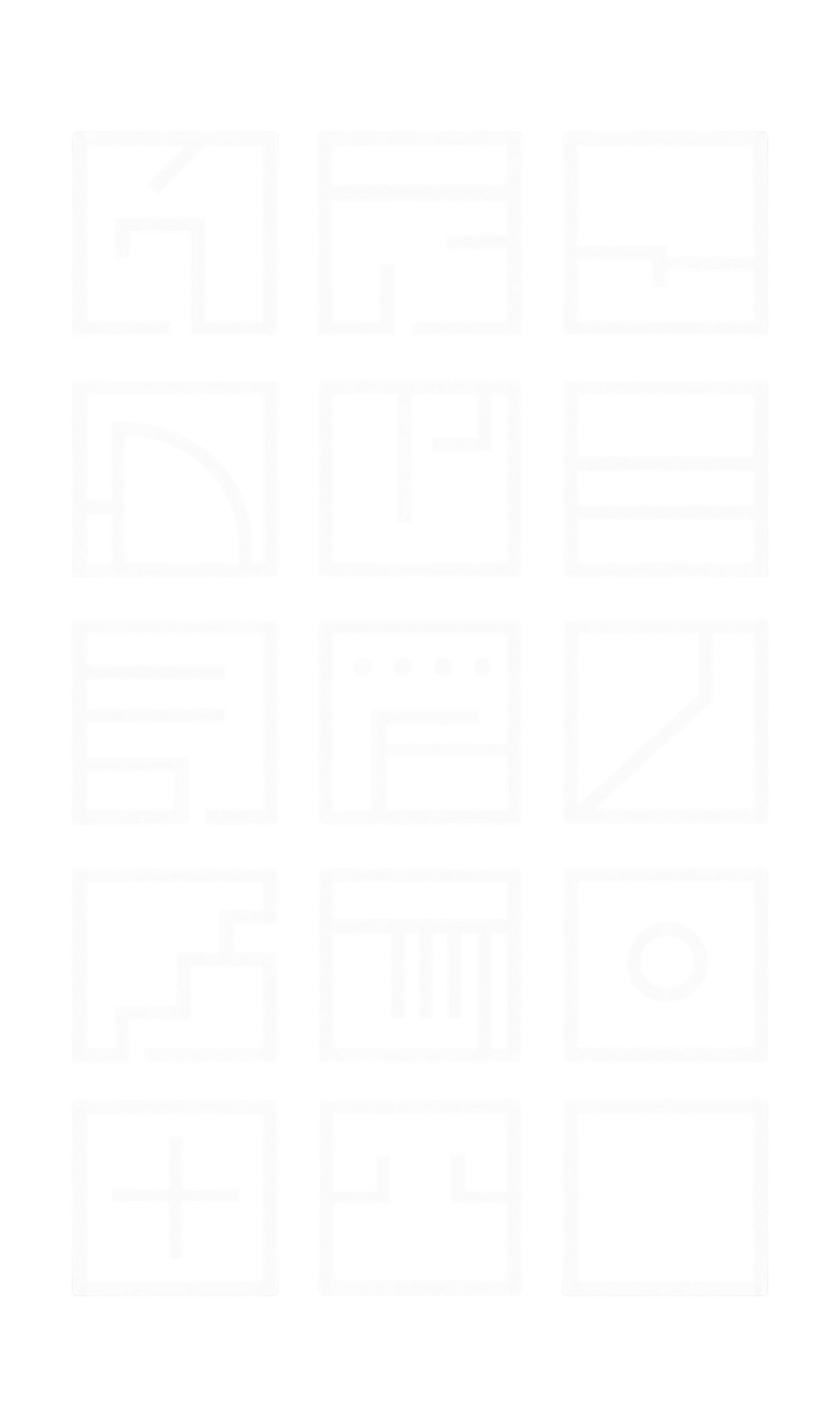
As forms were repeated and compared, they began to develop relationships.
Individual symbols could now represent different ideas, states, or functions. Small changes in geometry altered their identity. Families of related marks emerged, and visual consistency began to create the possibility of a language.
The symbol was no longer simply an image. It could carry information.
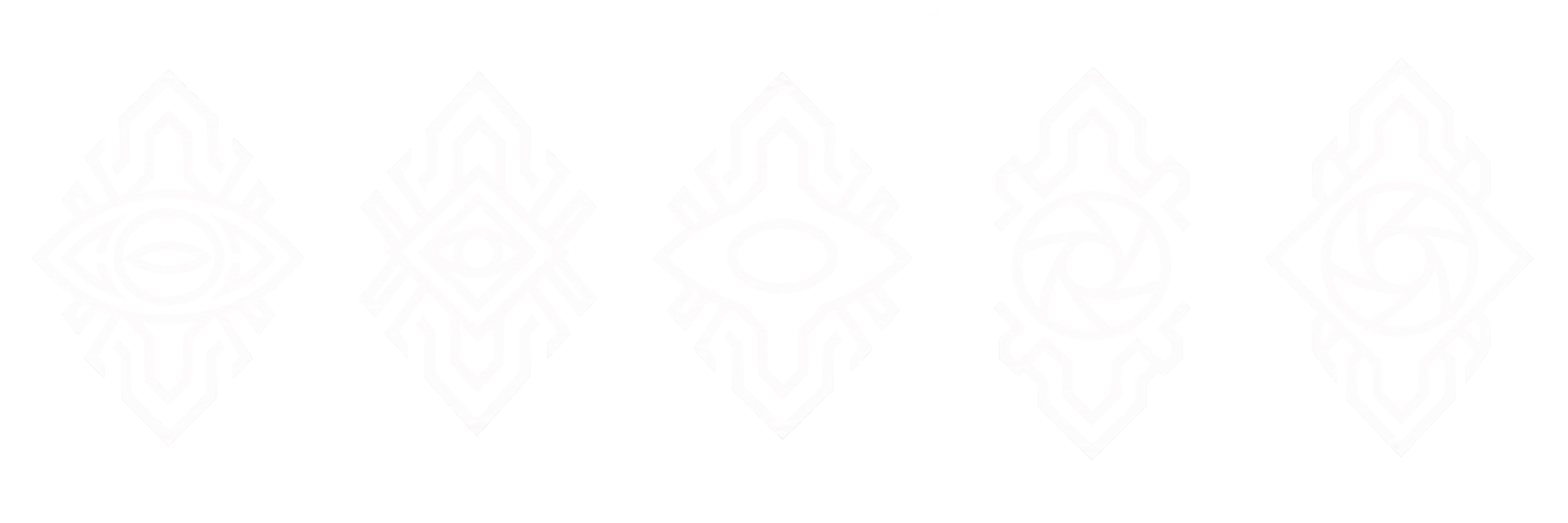
VARIATION WITHIN A SHARED GRAMMAR
Repeated structures began to establish relationships between otherwise separate marks. The eye, axis, enclosure, and directional forms persisted while proportion and geometry changed.

CLASSIFICATION
THE LANGUAGE BECOMES THE SYSTEM
As the number of symbols increased, individual marks began to require structure.
Forms could be grouped by function, behaviour, hierarchy, or relationship. Repeated characteristics created families, while subtle differences allowed similar symbols to carry different meanings.
Classification transformed a collection of marks into a system that could be read, expanded, and maintained.
The symbol was no longer isolated. It belonged somewhere.
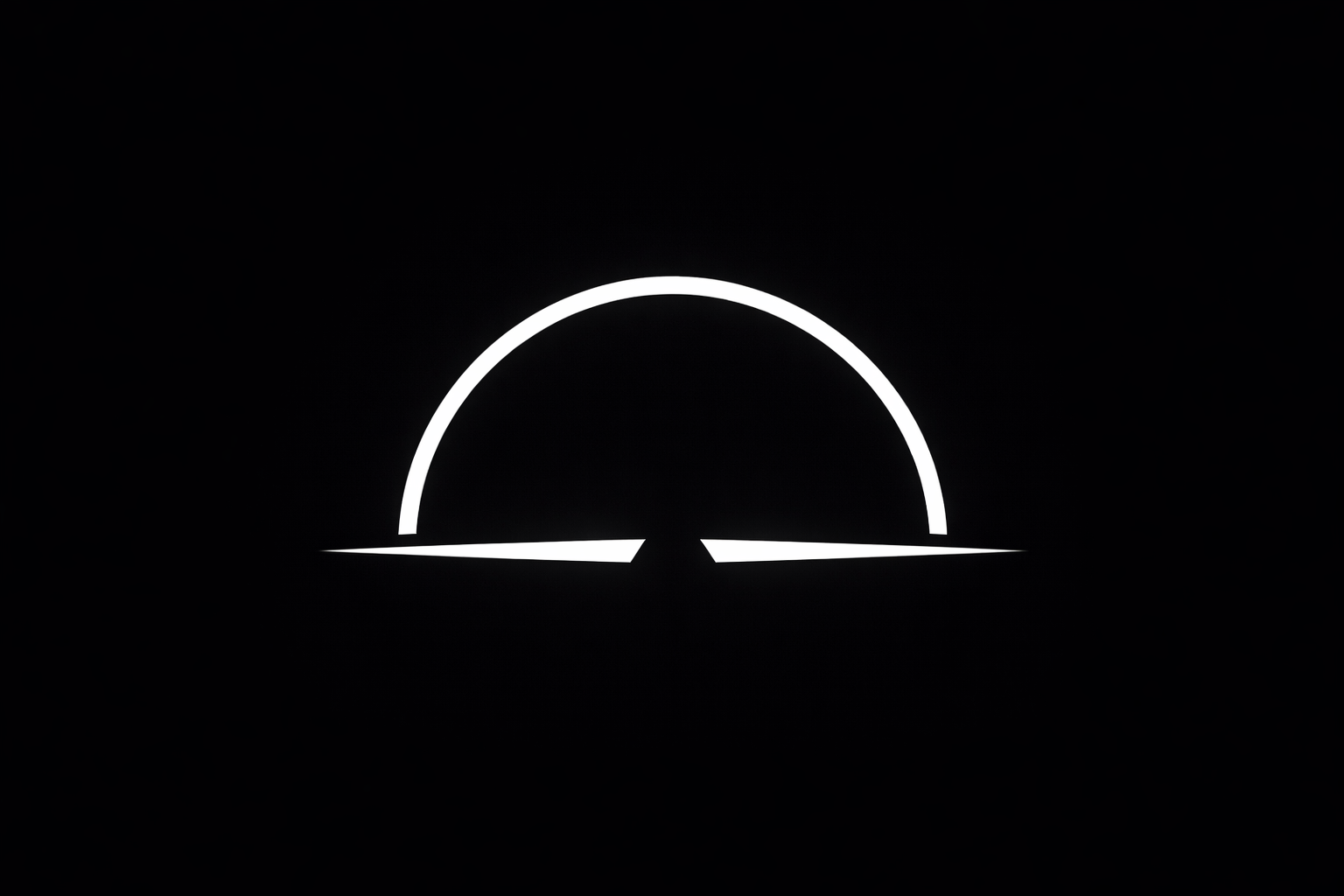
TYPE 01
OBSERVER
[ OBS-0001 ]
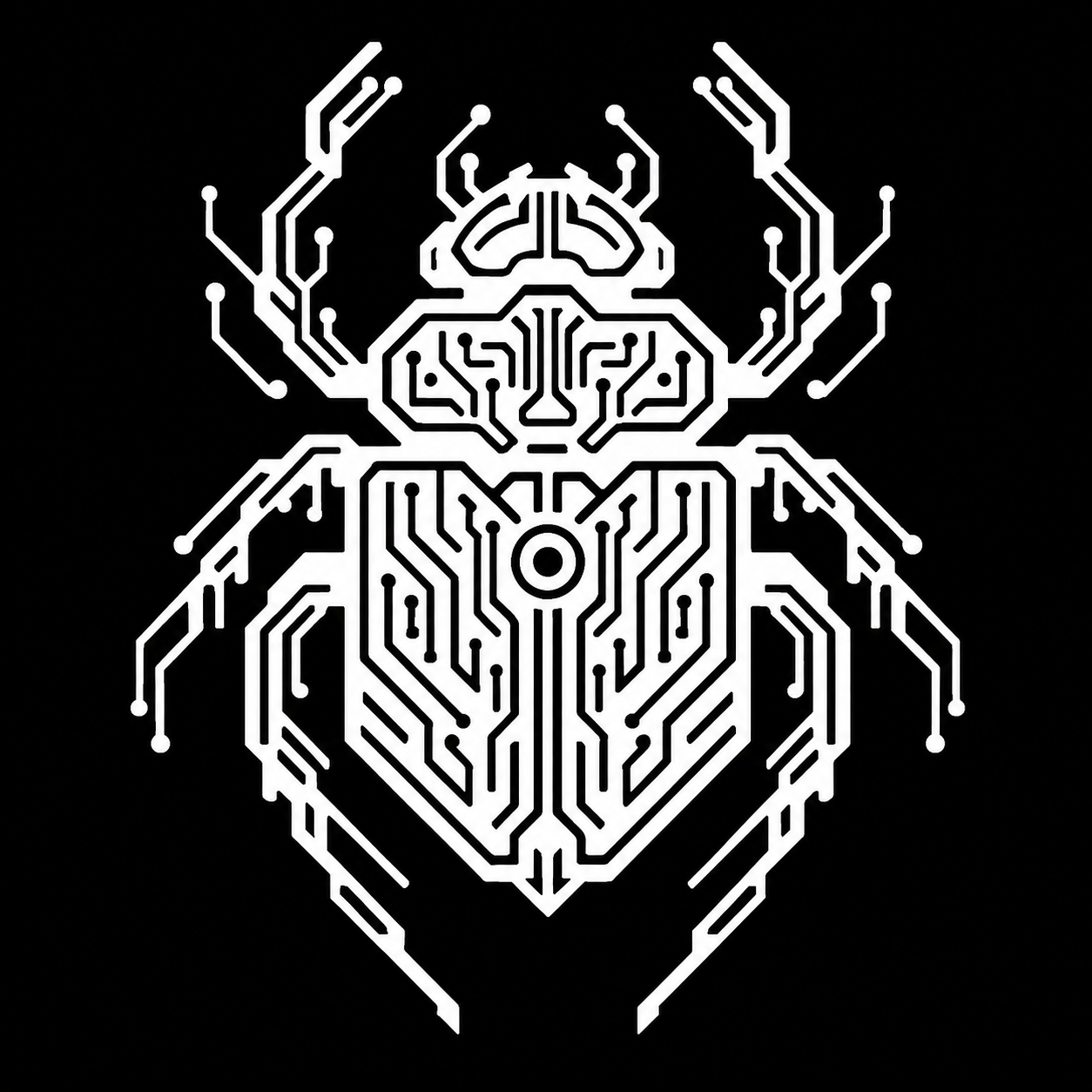
[ OBS-0002 ]
TYPE 02
WITNESS/ASCENDING
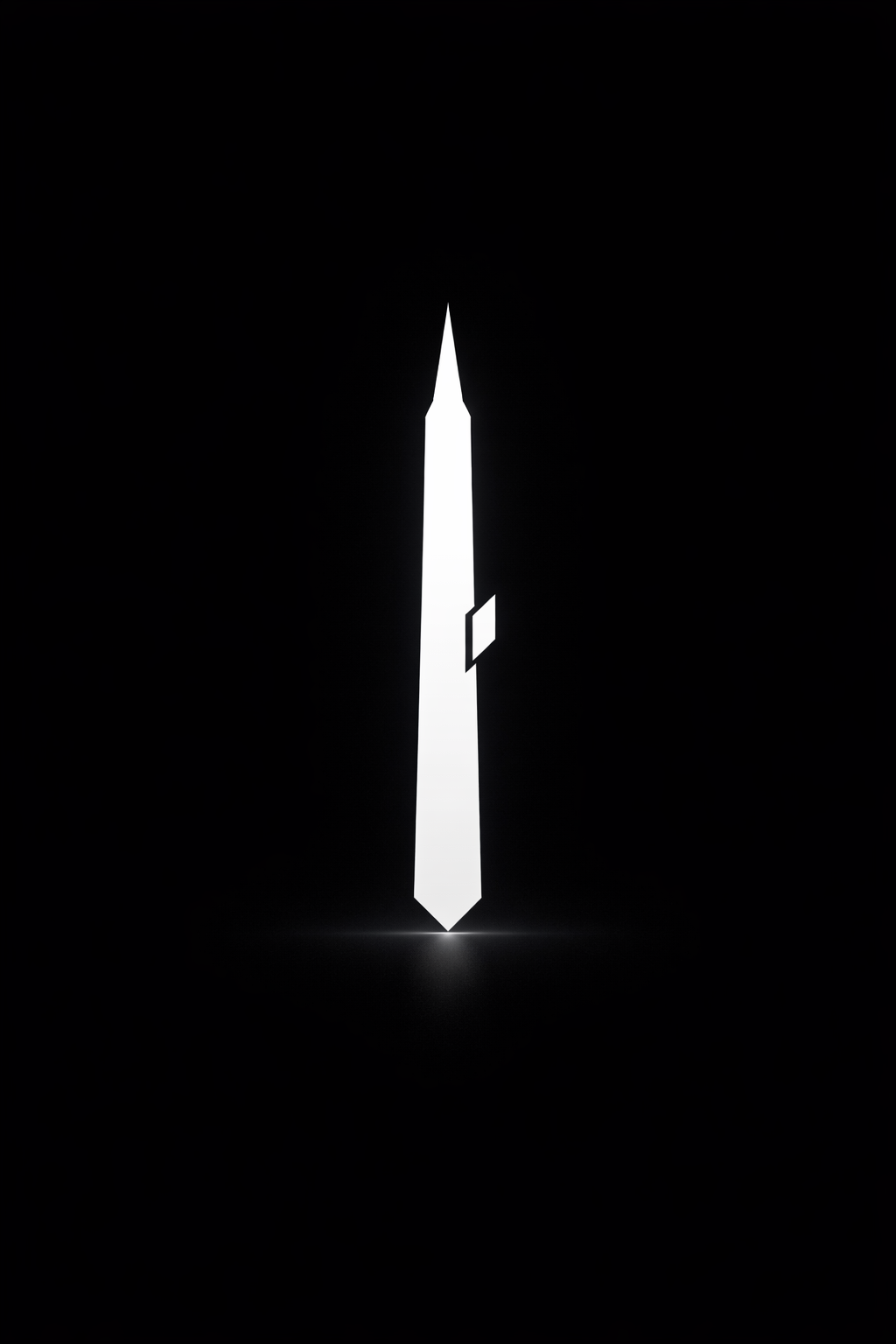
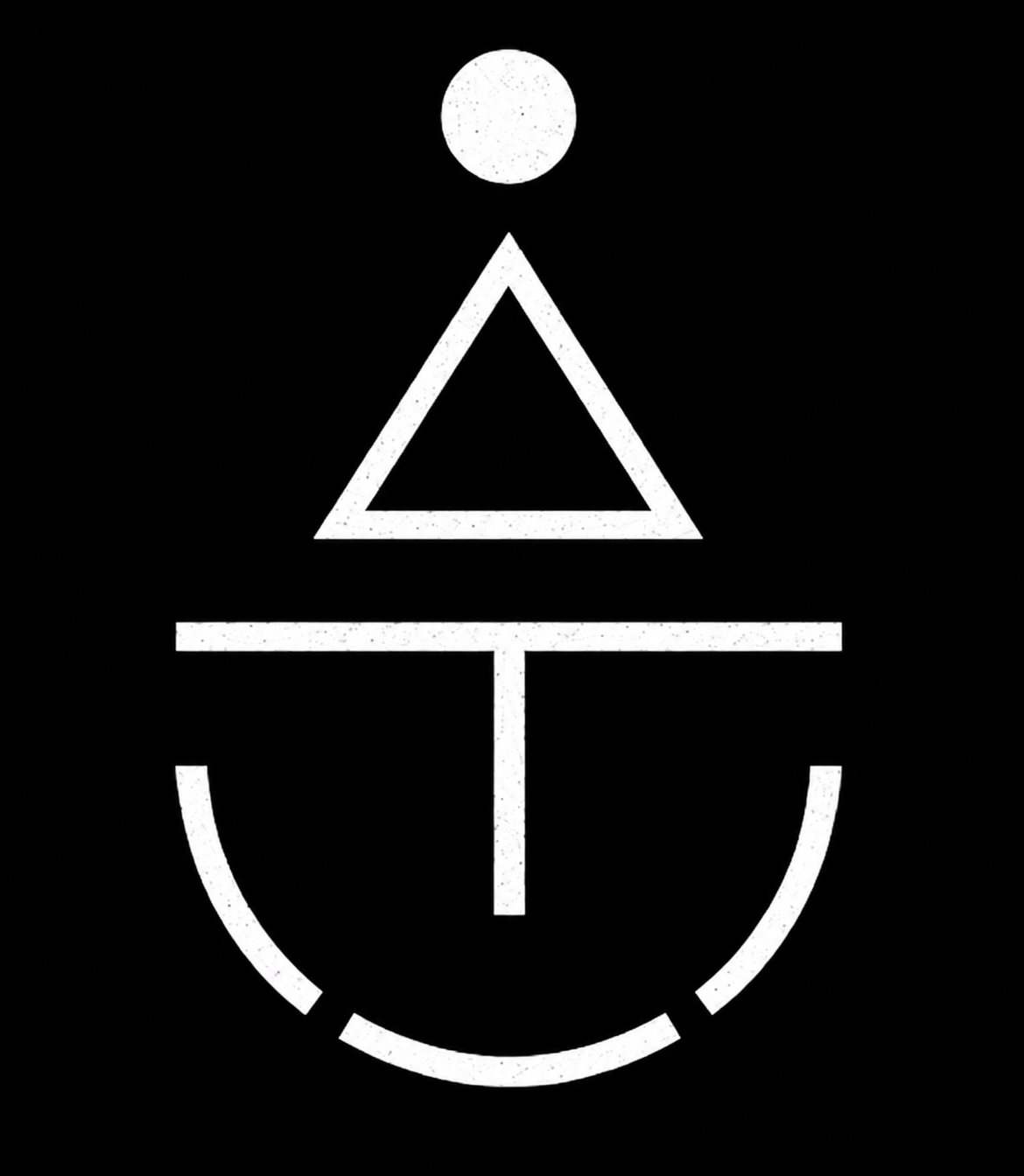
[ W-0001 ]
[ A-0002 ]
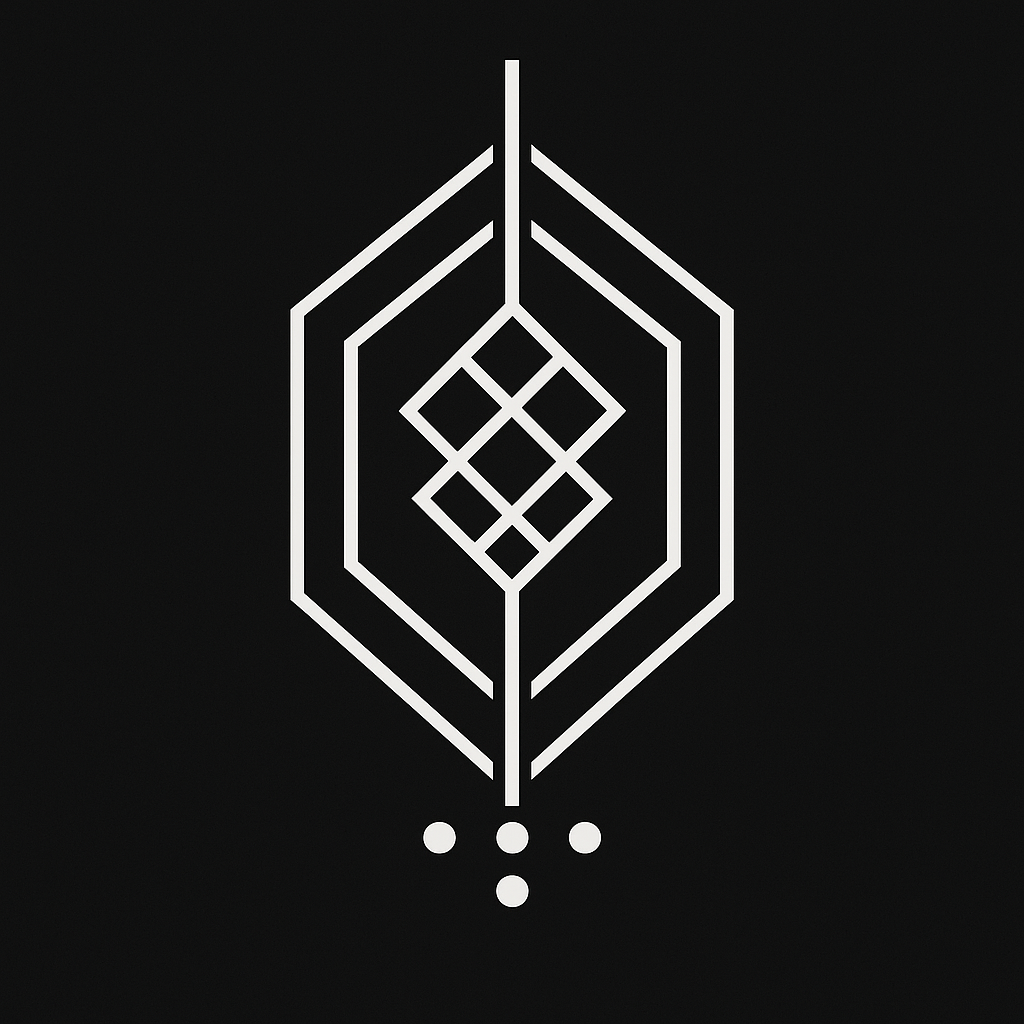
TYPE 03
SYSTEM
[ SYS-0003 ]
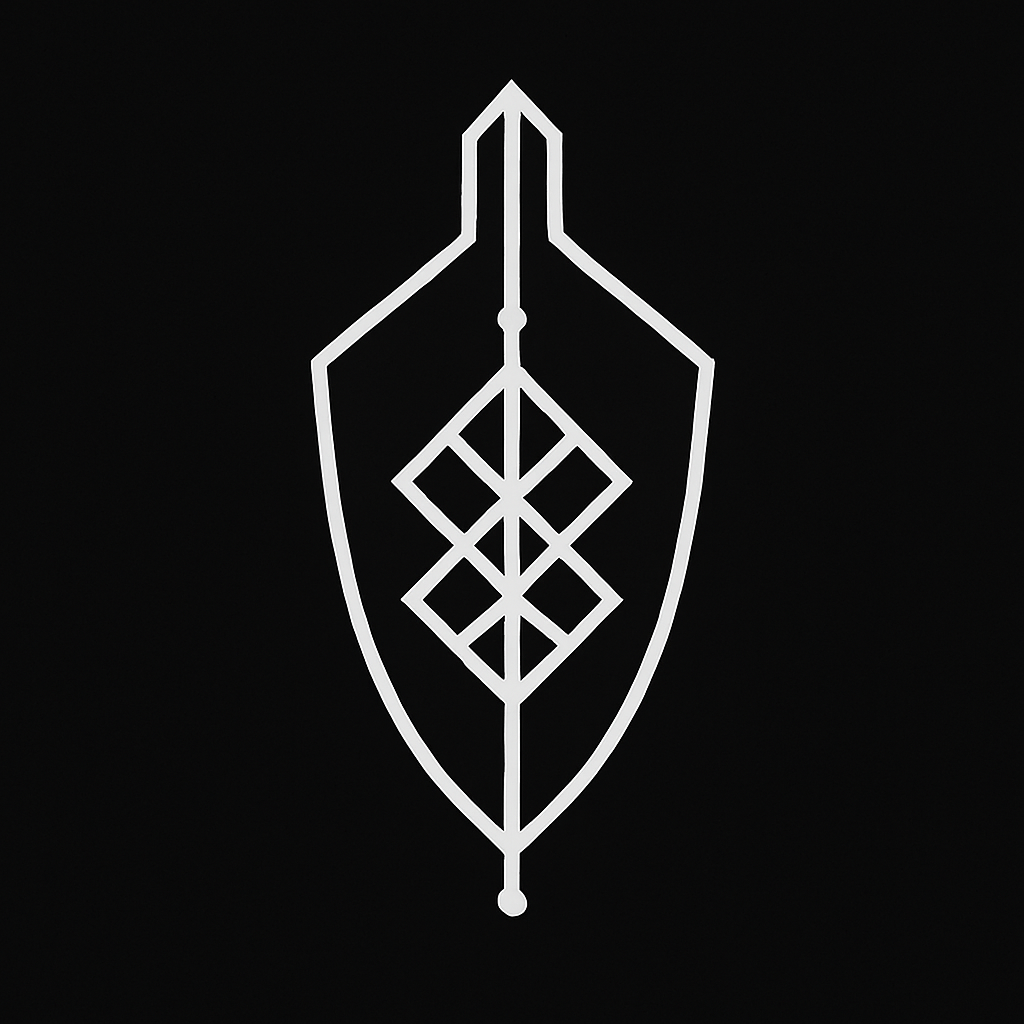
[ SYS-0004 ]
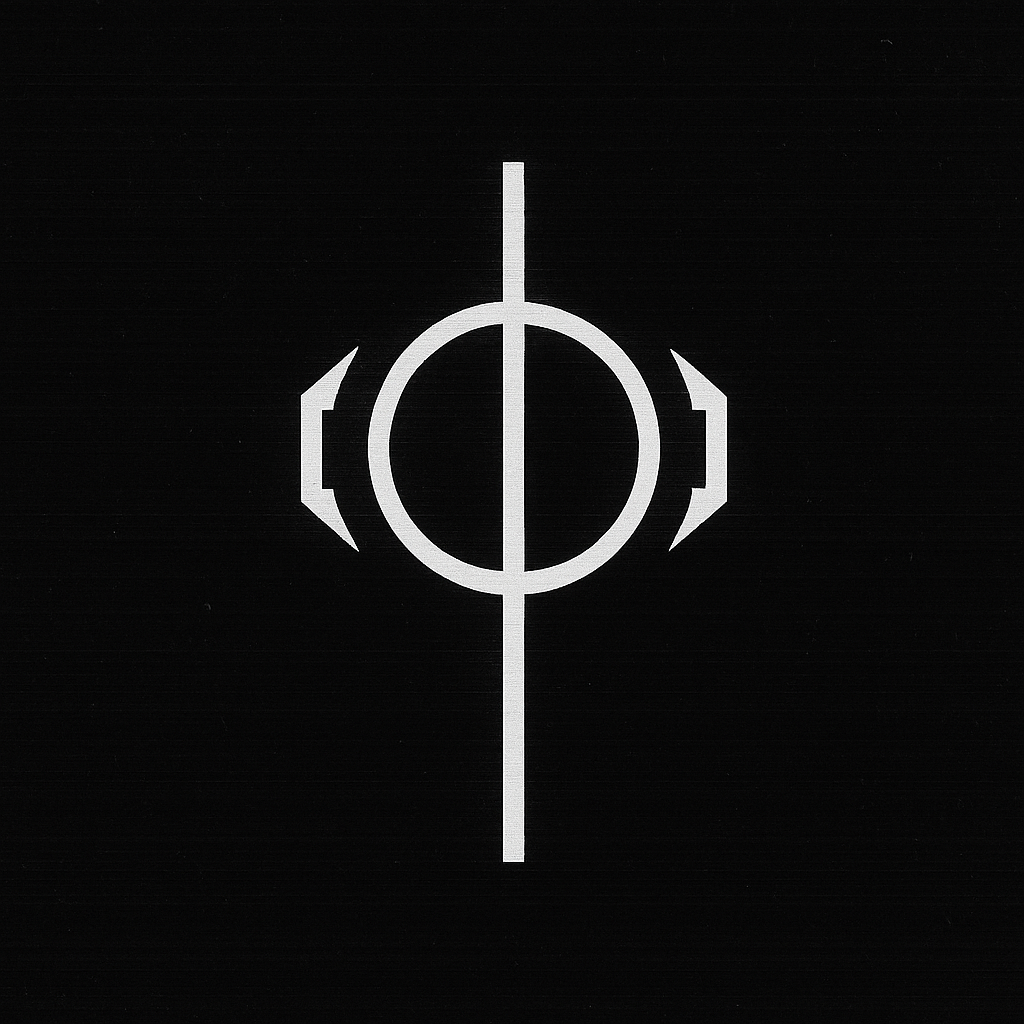
TYPE 04
SIGNAL
[ SIG-001 ]
APPLICATION
THE SYMBOL ENTERS THE WORLD
Once the language had been established, the symbols began to move beyond isolated studies.
They were applied across objects, interfaces, diagrams, environments, and records. Context changed how each mark was read, while the underlying visual language remained recognisable.
The symbols became identifiers, instructions, markers of state, and components within larger systems.
The mark was no longer describing the system. It had become part of it.
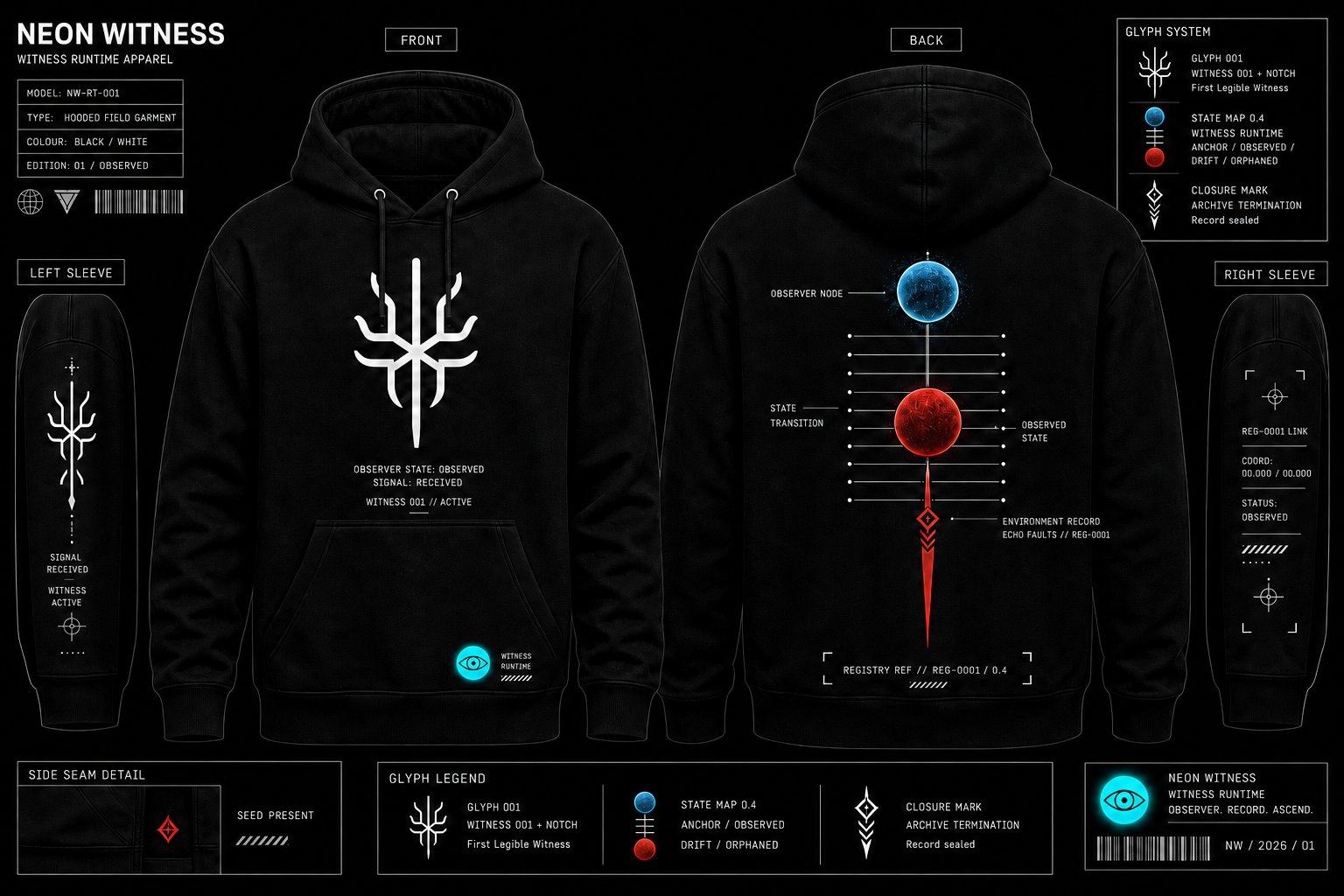
APPLICATION / WEARABLE SYSTEM
Symbolic language extended into identity, orientation, and information.

APPLICATION / DOCUMENT SYSTEM
Marks operating as identifiers within a larger information structure.
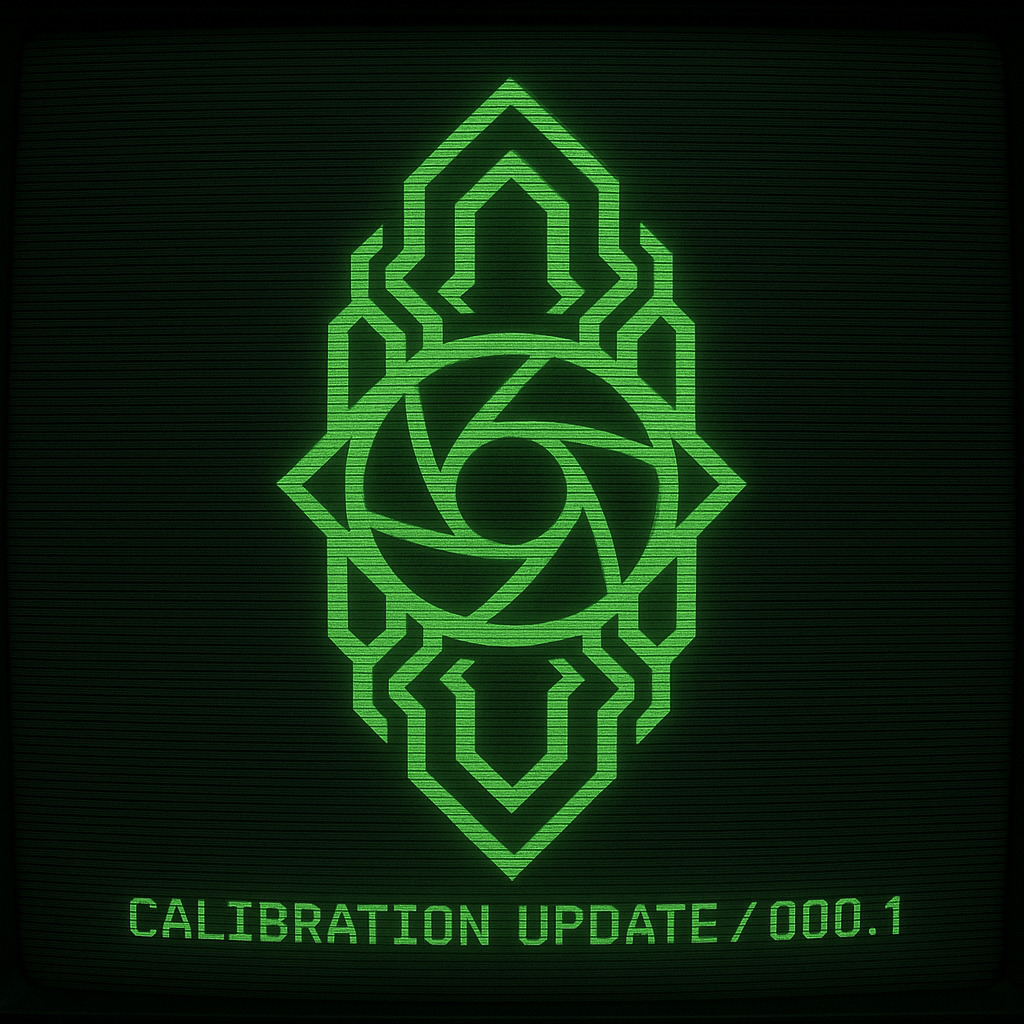
APPLICATION / INTERFACE STATE
The symbol becomes operational: status, recognition, hierarchy, and state.
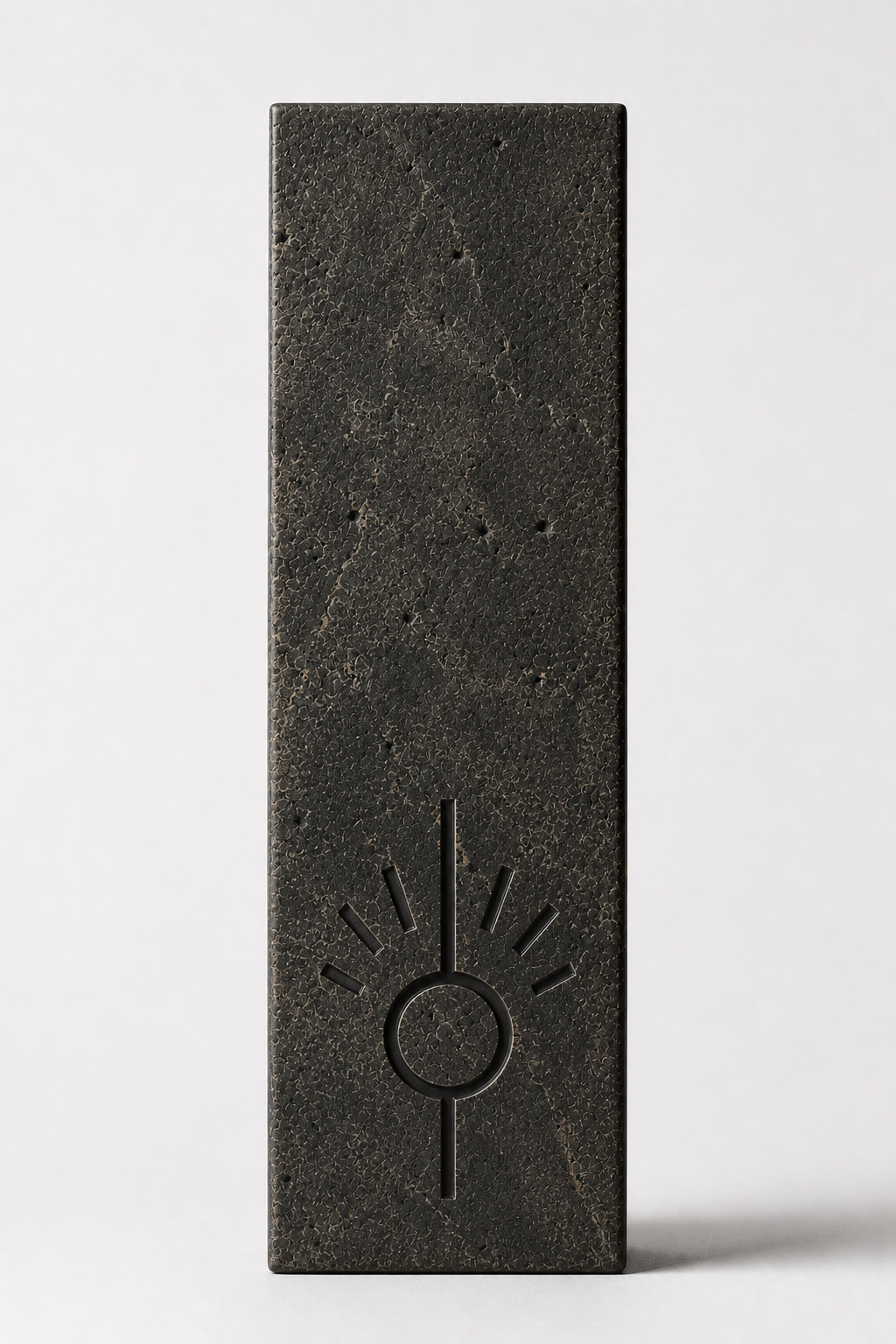
APPLICATION / ENVIRONMENTAL SYSTEM
Visual language becomes part of the constructed world's material culture.