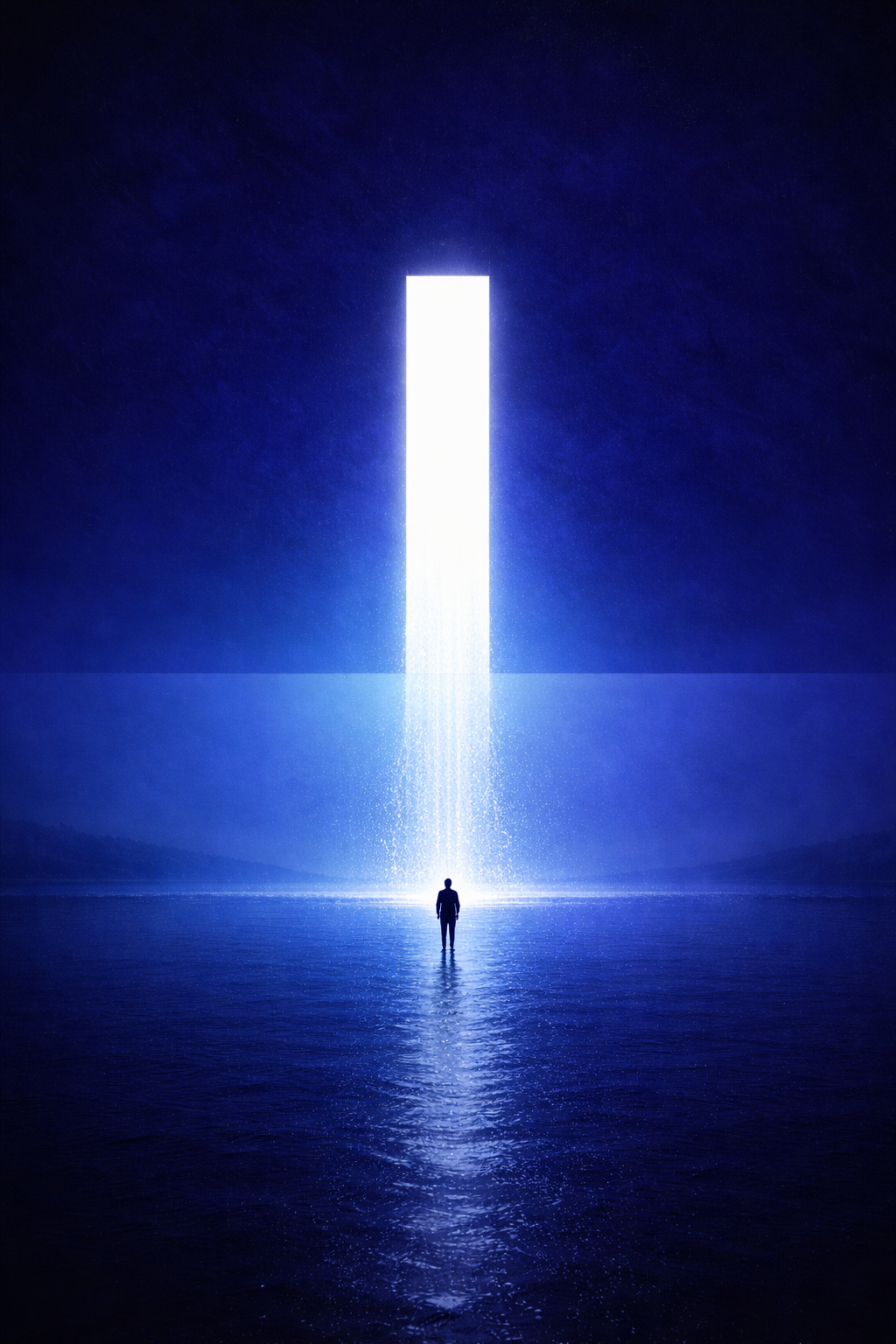
MATERIAL / SIGNAL
Studies in surface, light, structure, and transmission.
THE SURFACE CAME FIRST
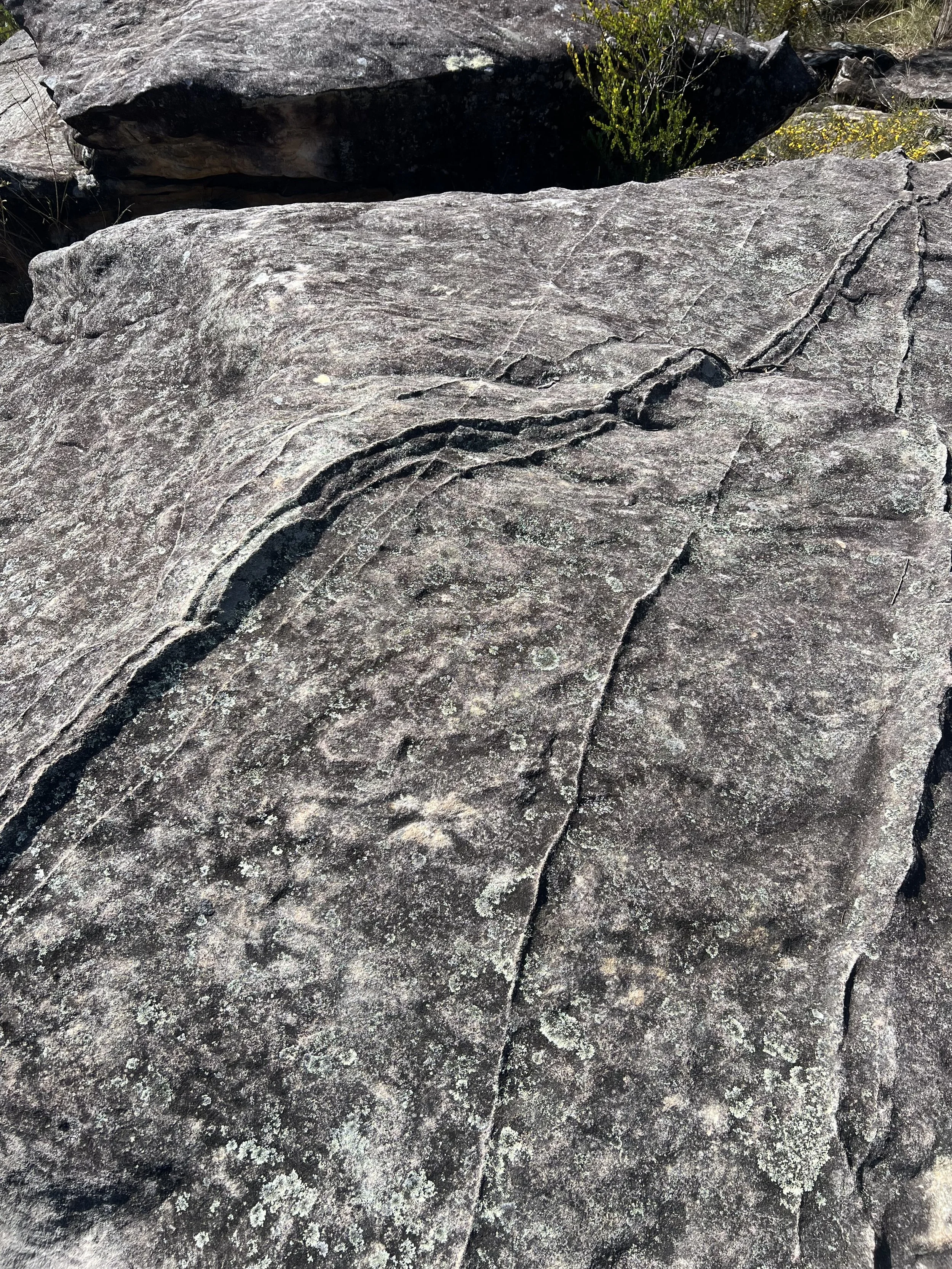
Long before generative systems became part of my practice, I was photographing surfaces.
Rock, bark, leaves, water, glass, manufactured objects, and traces of human intervention became subjects of observation, not simply for what they were, but for how their structures behaved.
Fractures became lines. Veins became networks. Reflections altered depth. Light revealed structures that were otherwise difficult to see.
This way of looking has remained constant: observing material closely enough that the surface begins to suggest something beyond itself.
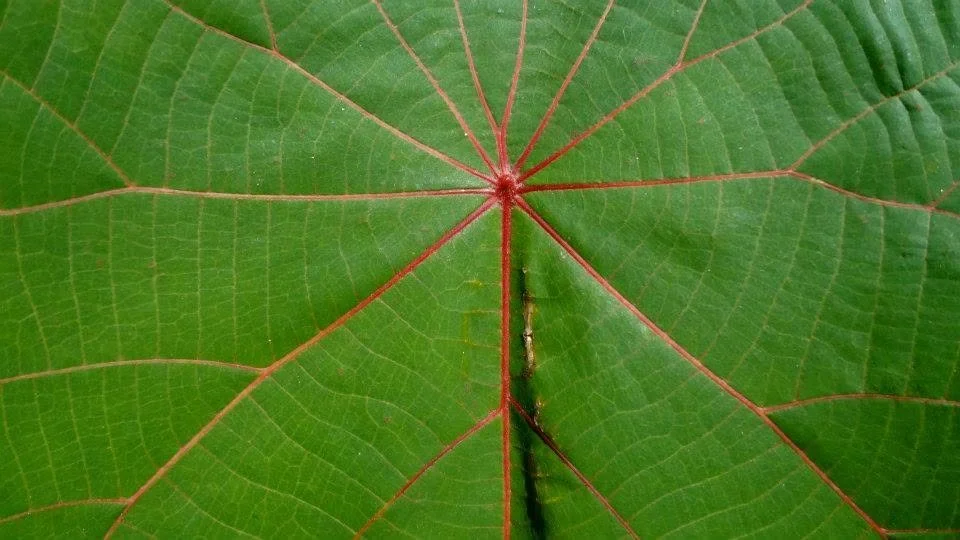
OBS.01 / ORGANIC STRUCTURE
LIGHT / LEAF / VEIN NETWORK (07-2012)

OBS.02 / TRANSMISSION
LIGHT / GLASS / REFRACTION (07-2012)
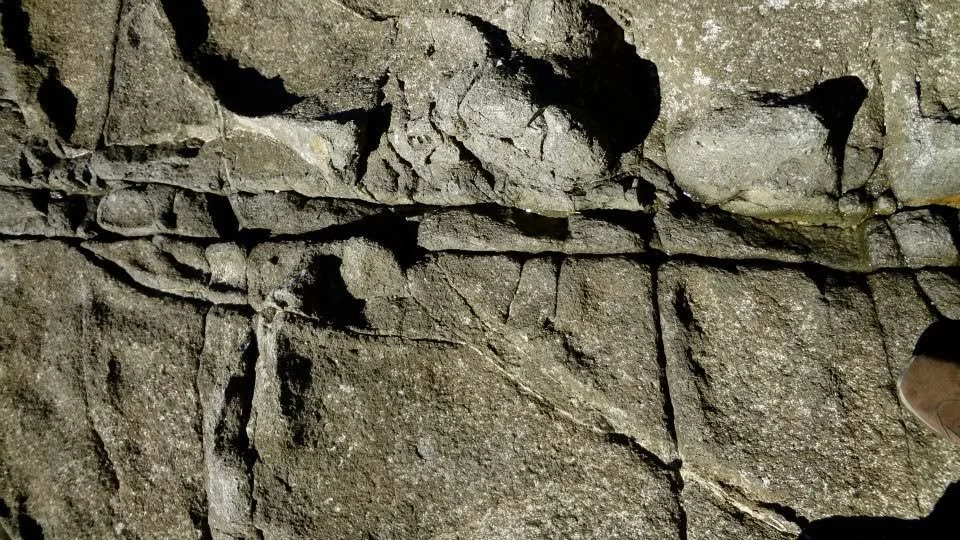
OBS.03 / MATERIAL SURFACE
STONE / EROSION / PATTERN (07-2012)
OBSERVATIONAL STUDIES / EARLY PRACTICE → PRESENT
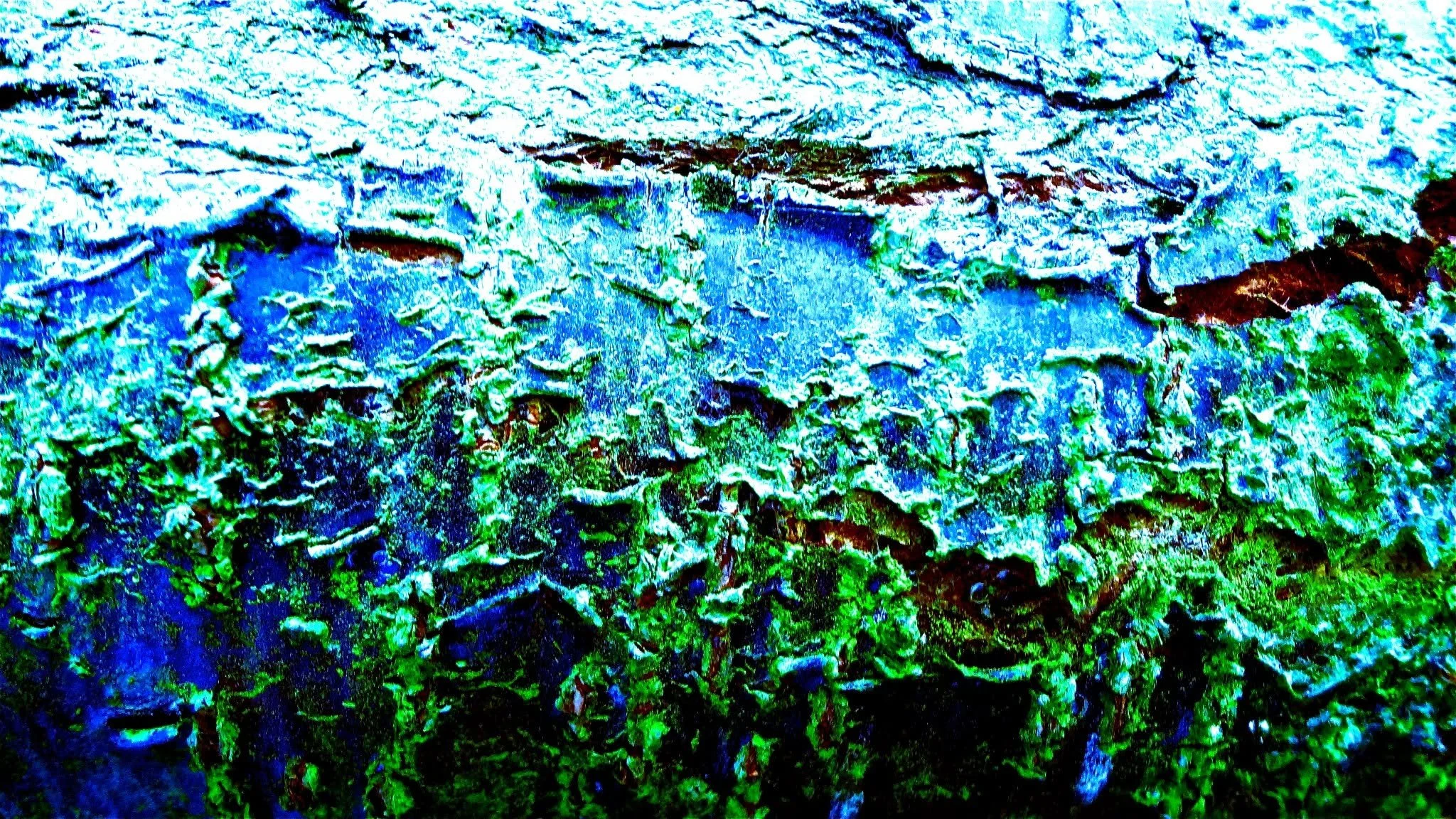
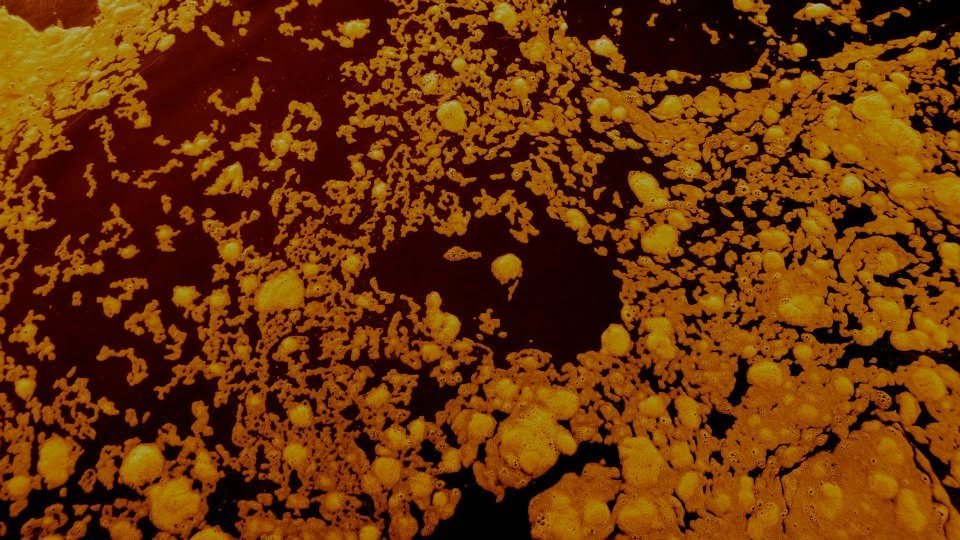
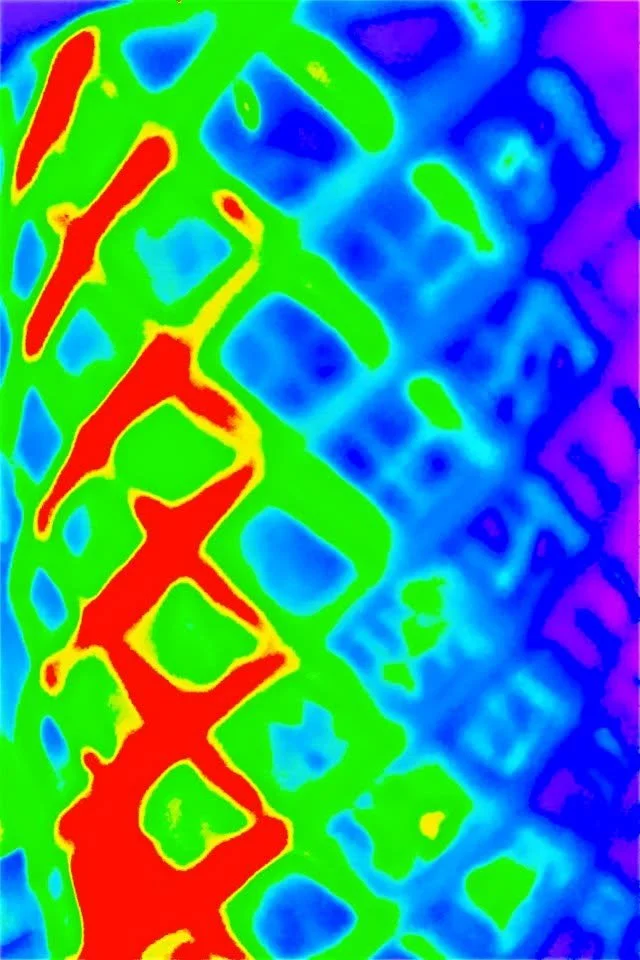
INT.01 / SURFACE / COLOUR
INT.02 / MATERIAL / CONTRAST
INT.03 / ABSTRACTION / SIGNAL
OBSERVATION BECOMES INTERVENTION
Recording the surface was only part of the process.
Cropping, colour, exposure, scale and perspective became ways of testing what else an image could contain. Familiar materials could be pushed toward abstraction without completely losing their origin.
The photograph remained evidence of something real, but the surface became material for interpretation.
PATTERN BECOMES STRUCTURE
Repetition, division and alignment began to appear across otherwise unrelated subjects.
Organic growth, geological fracture and manufactured surfaces could all be read as systems, structures formed through different processes, yet producing similar visual relationships.
Observation gradually became a way of recognising underlying order.
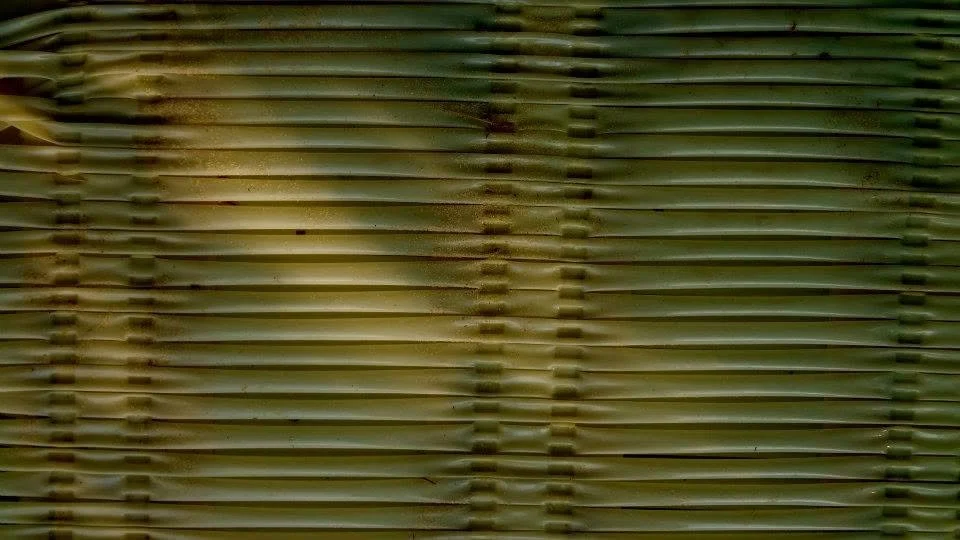
OBS.04 / MANUFACTURED STRUCTURE
REPETITION / ALIGNMENT / INTERRUPTION (07-2012)
MATERIAL BECOMES SIGNAL
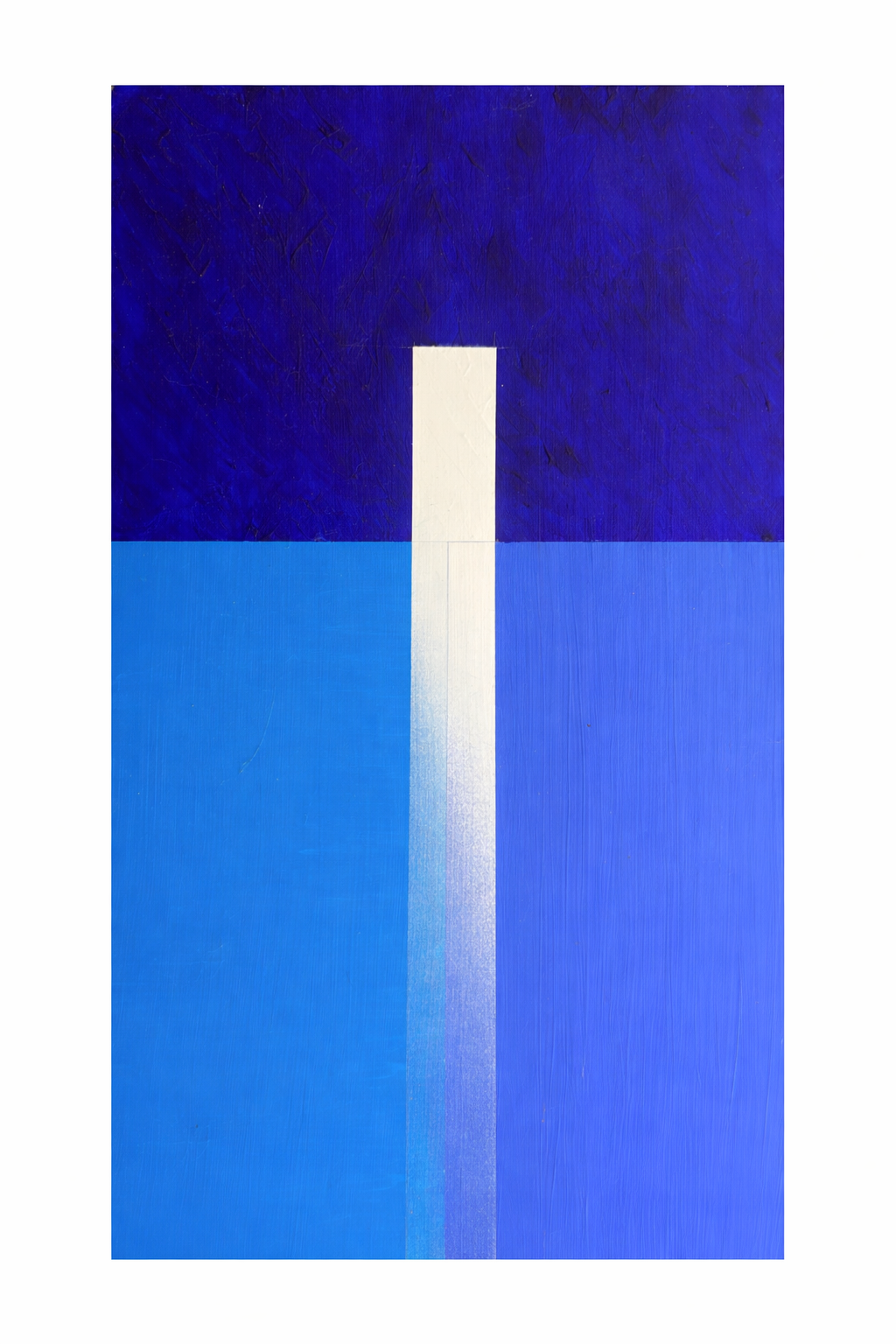
MATERIAL
Original painting.
Paint, surface, pigment, physical texture.
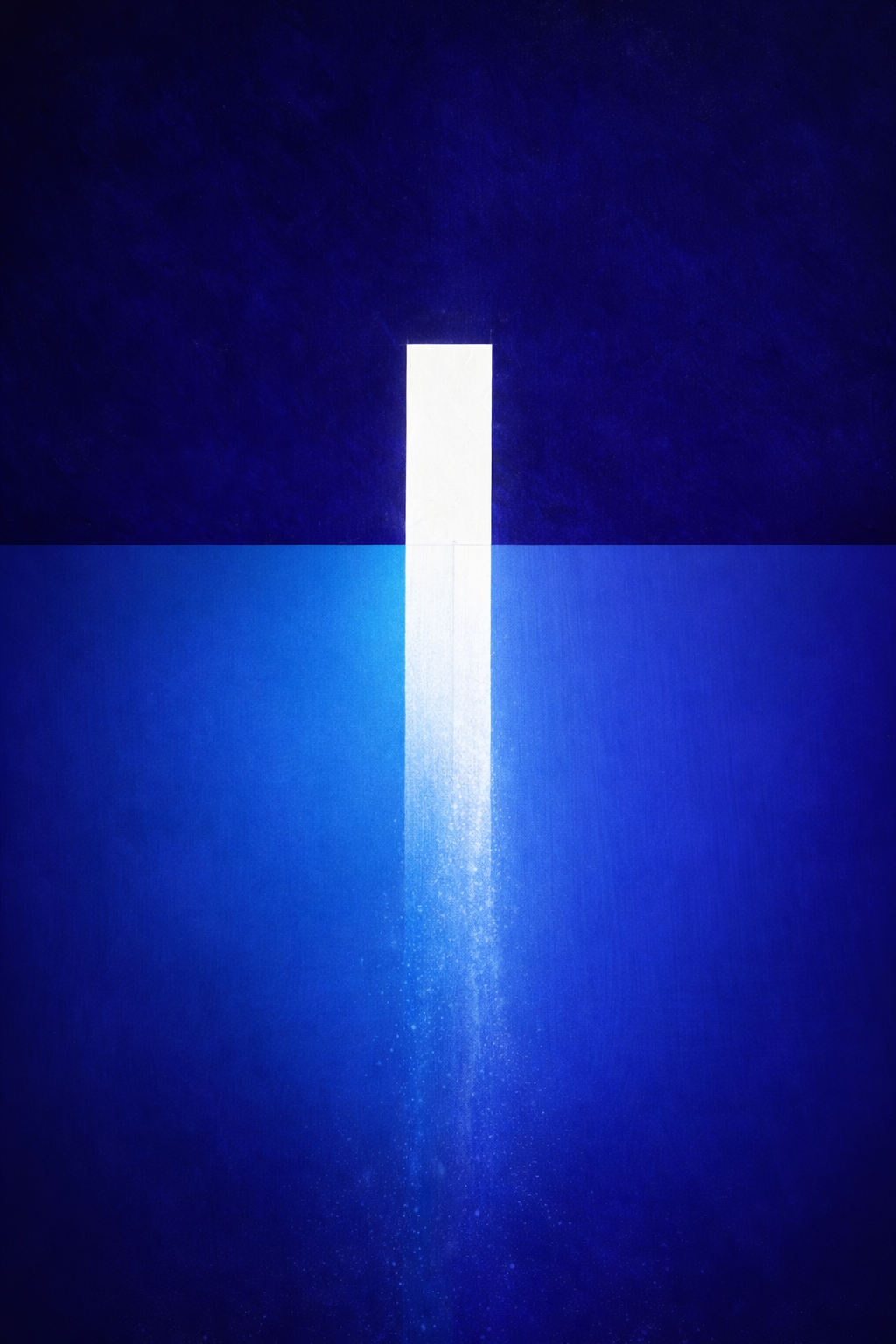
TRANSLATION
The digital version where particulate material begins appearing beneath the white vertical.
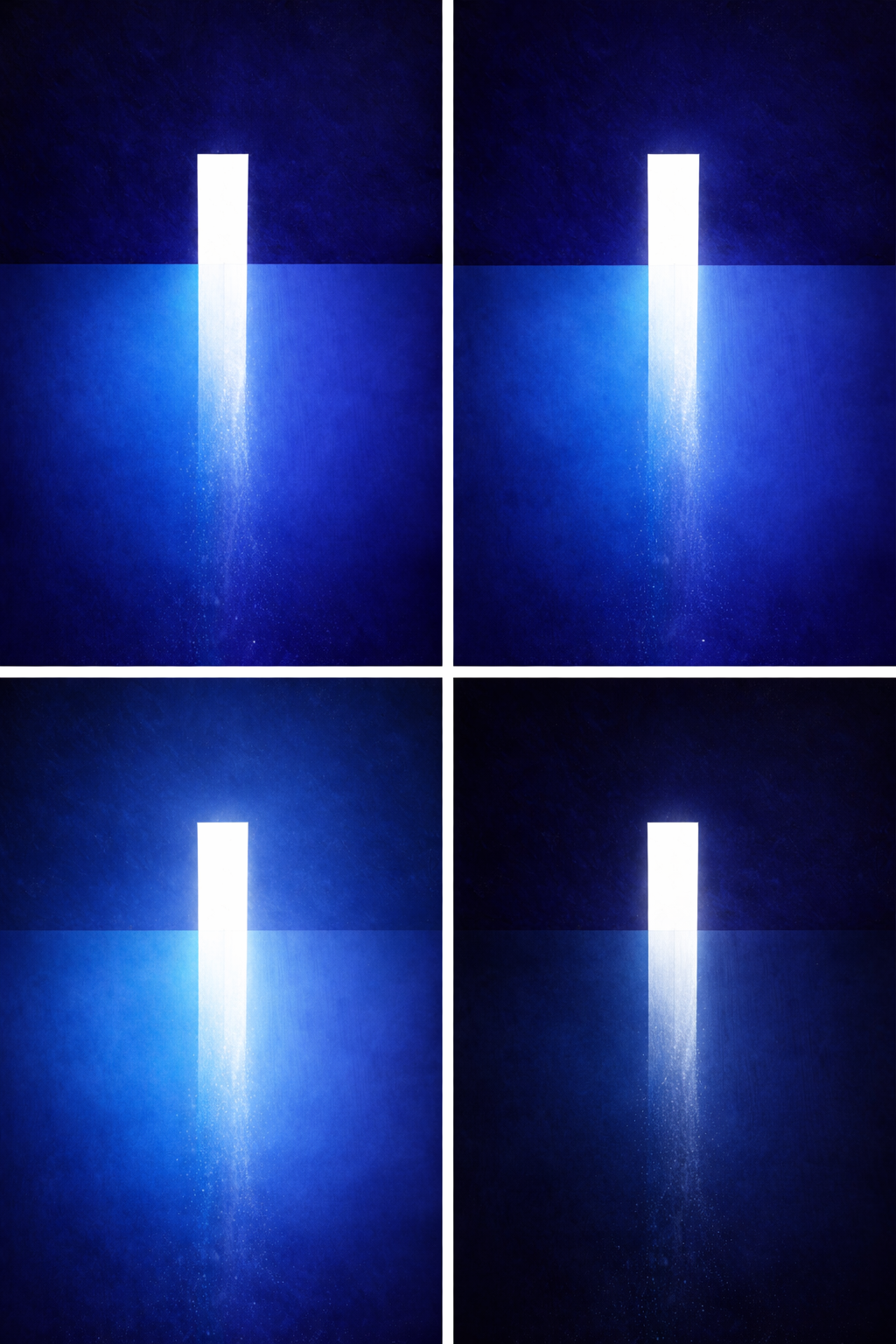
ENVIRONMENT
The painted horizon becomes spatial. Light, atmosphere, and depth are tested while the original structure remains intact.
MATERIAL BECOMES SIGNAL
A painted structure became a digital environment.
The original composition remained almost unchanged: a horizon, two fields of colour and a vertical interruption.
Through digital reconstruction, those elements began to behave differently. Pigment became atmosphere. Texture became particulate matter. The horizon acquired depth. The white form ceased to function as a painted shape and became a condition within space.
What began as an intuitive image eventually became the foundation for the Alignment Pillar, a recurring phenomenon within Neon Witness.
The process did not replace the original work.
It revealed another reading of it.