HUMAN X MACHINE
AI-assisted creative practice viewed through authorship, direction, and iteration.
THE HUMAN REMAINS IN THE LOOP
AI can generate an image, propose a variation, interpret an instruction, or introduce an unexpected direction. It does not determine why the work should exist.
The creative process remains one of selection, rejection, adjustment, and judgement. A generated result may begin the conversation, but it rarely ends it. Images are questioned. Structures are rebuilt. Prompts are rewritten. Outputs are discarded. Details are corrected. Sometimes the machine produces something unexpected that changes the direction entirely.
Authorship therefore does not disappear when generative systems enter the process. It shifts toward direction: deciding what belongs, what does not, and when an image has finally become the work rather than simply an output.
01 — INTENT
02 — GENERATION
03 — OBSERVATION
04 — REJECTION
05 — REVISION
06 — SELECTION
AN IDEA IS NOT AN OUTPUT
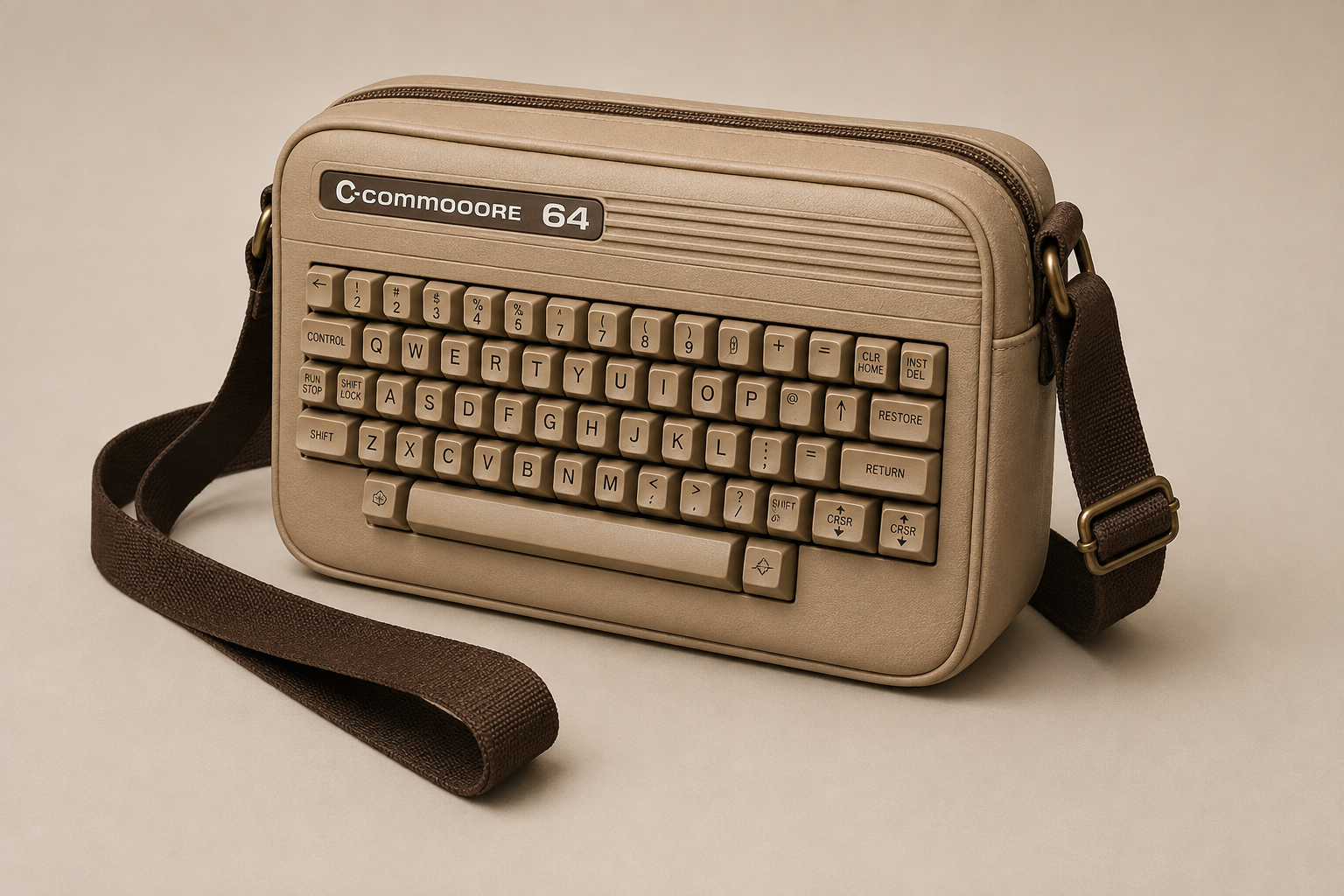
A familiar object can begin as reference rather than destination. Through iteration, proportion, material, function, and context are reconsidered until the original reference becomes something else. Generative systems accelerate that exploration; direction determines where it ends.
01 — REFERENCE
02 — INTERPRETATION
03 — OBJECT
TECHNOLOGY CHANGES THE PROCESS, NOT THE NEED FOR JUDGEMENT
Generative systems introduce speed, variation, and unpredictability into the creative process. They can move rapidly through possibilities that might otherwise take hours to construct, and occasionally reveal directions that were never consciously anticipated.
But possibility is not the same as intention.
The role of the practitioner becomes one of attention: recognising what has value, understanding why something fails, preserving useful accidents and rejecting convincing but meaningless results. The machine expands the field of possible outcomes; the human gives those outcomes context.
In this sense, working with AI is less about surrendering authorship than continually renegotiating it.
“When entering uncharted waters, it is crucial that we not lose our bearing.”
DIRECTION IS THE PRACTICE
AI is one component within a larger creative process.
My practice begins with an intention: an atmosphere, an object, a system, a question or sometimes simply an image that does not yet exist. Generative tools allow that idea to be explored quickly, but generation is only one stage of its development.
I direct, compare, reject, reconstruct and refine. Images move between tools. Prompts change. References are rebuilt. Materials, scale, lighting and composition are questioned. Sometimes an unexpected result changes the direction entirely. At other times, dozens of plausible results are discarded because they do not belong.
The value of the process is not measured by how much was generated.
It is measured by what was recognised, developed and ultimately chosen.