CONSTRUCTION
BEHIND-THE-SCENES DEVELOPMENT OF ENVIRONMENTS, SYSTEMS, IMAGES, AND MOTION
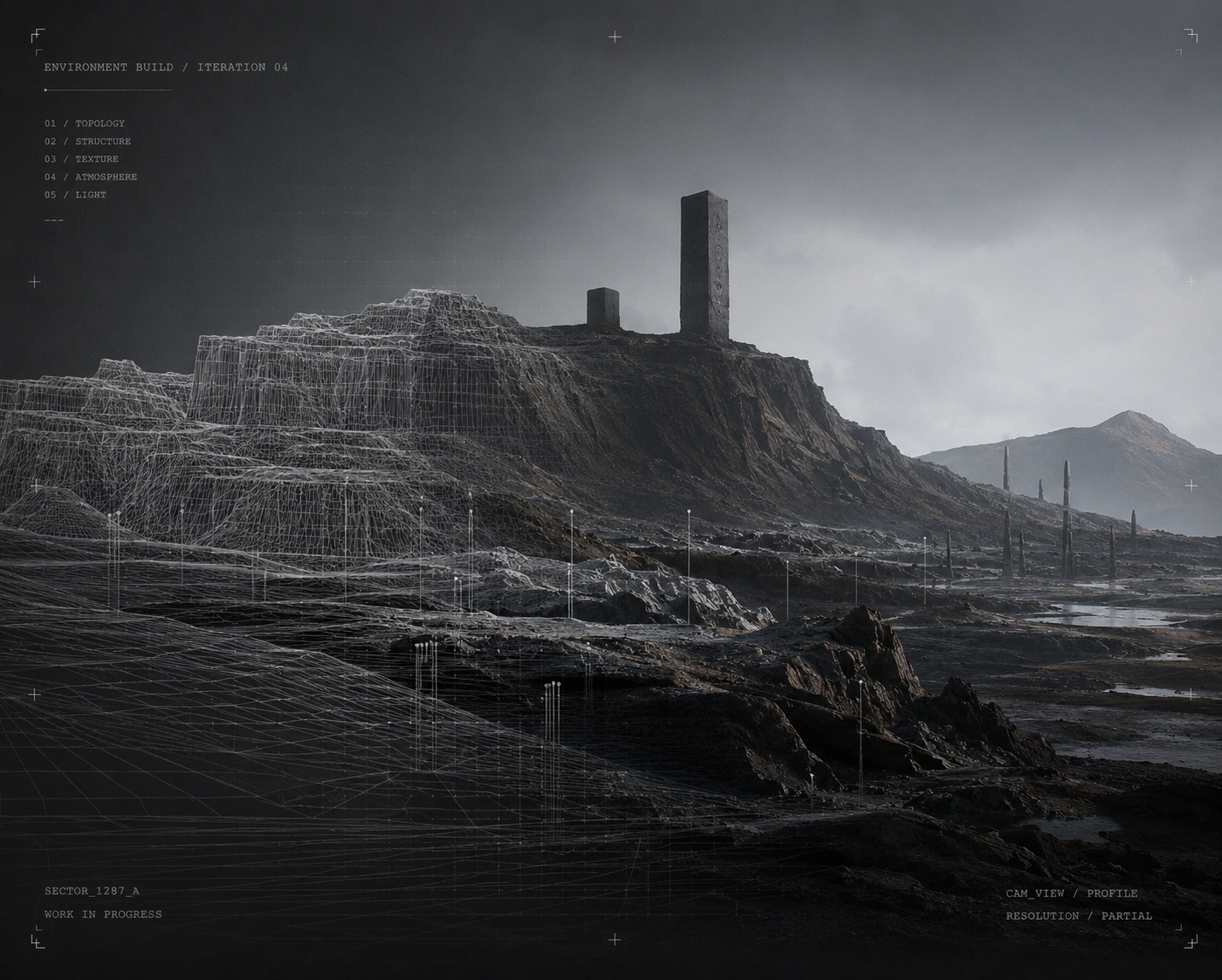
SITE
BUILDING THE PHYSICAL WORLD.
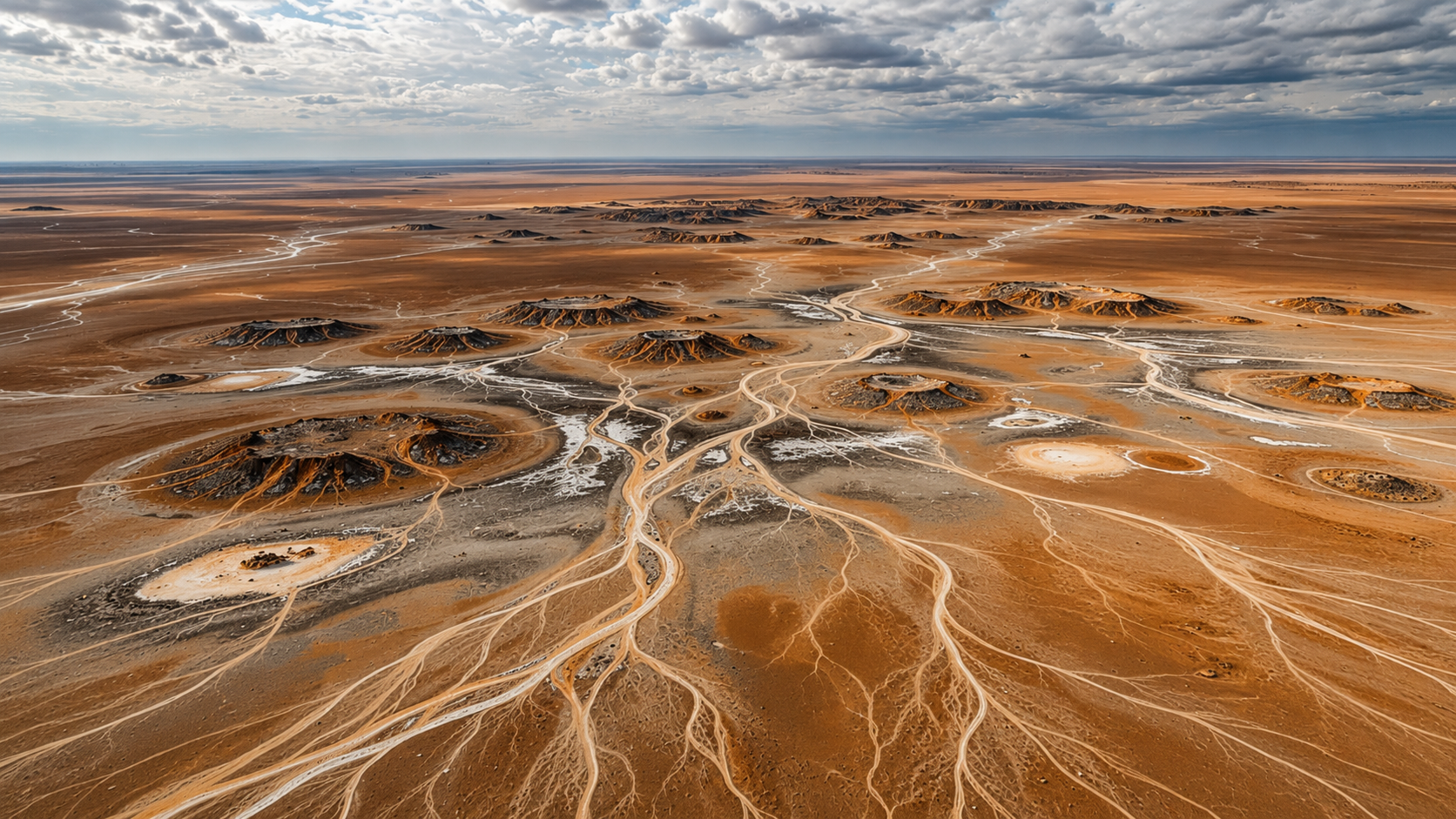
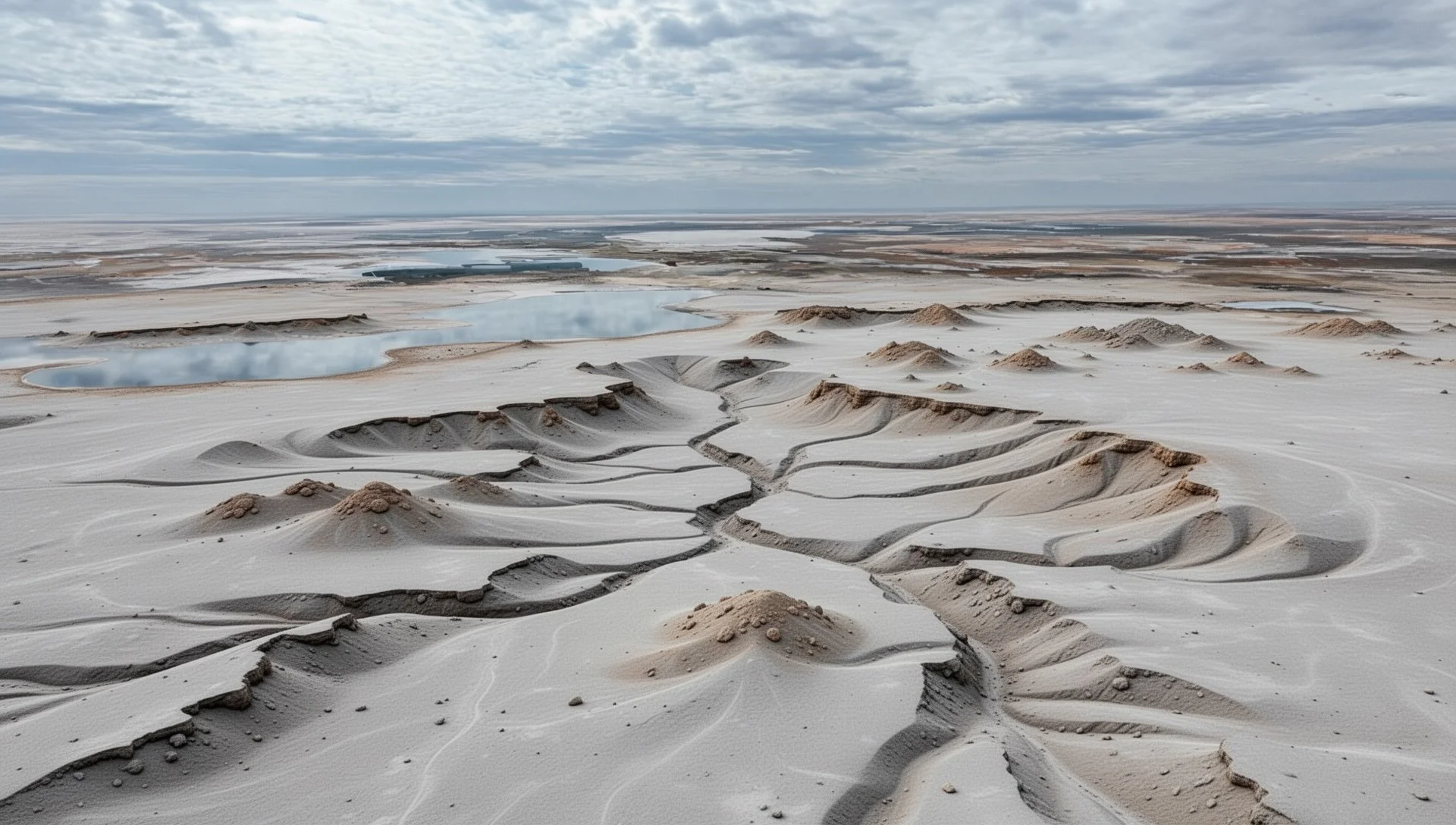
Landform, elevation, erosion, surface behaviour and geological character establish the physical foundation of the site.
01 / TERRAIN
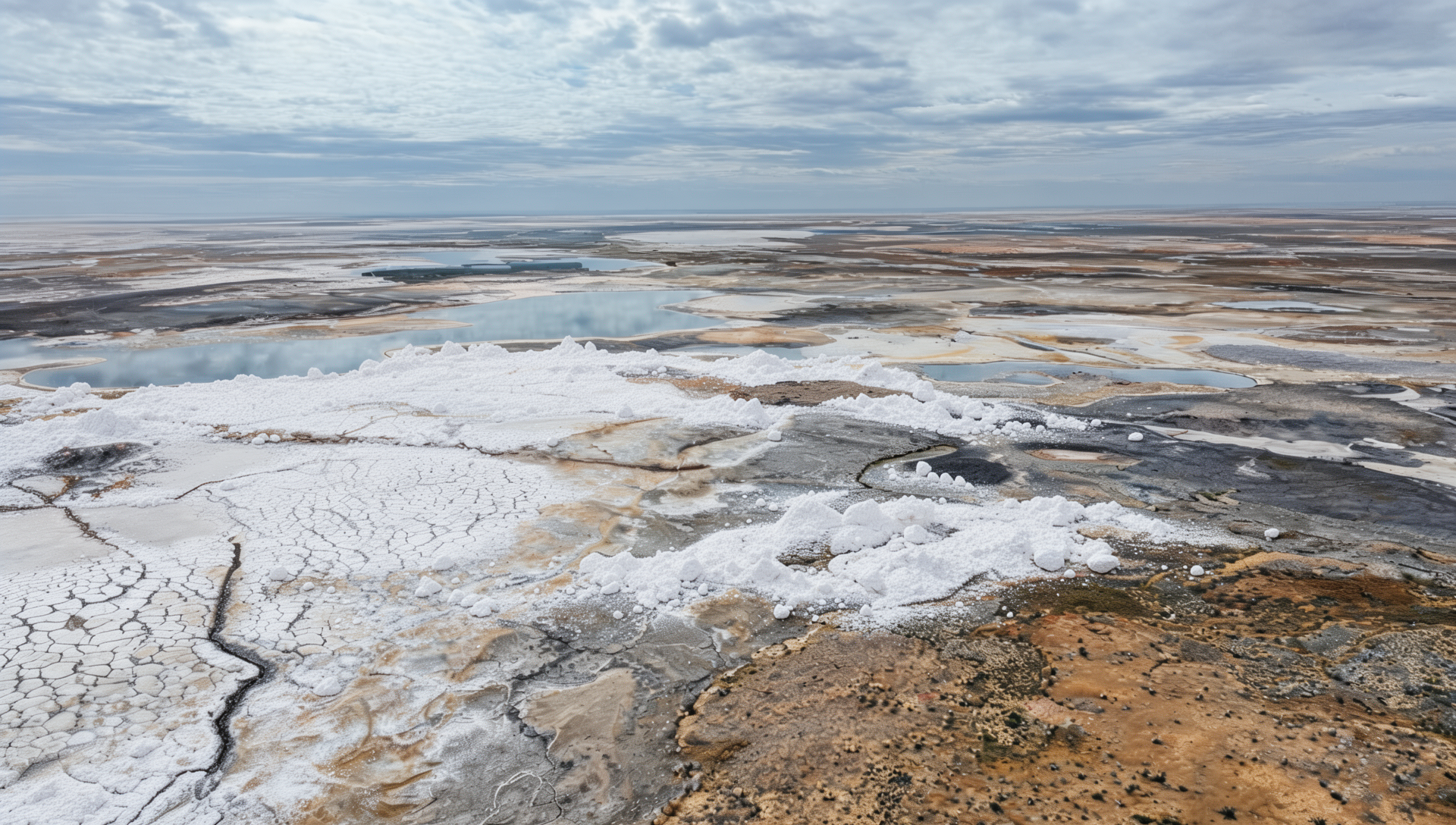
Rock, sediment, mineral deposits, water, vegetation and atmospheric conditions determine how the environment begins to feel physically believable.
02 / MATERIAL
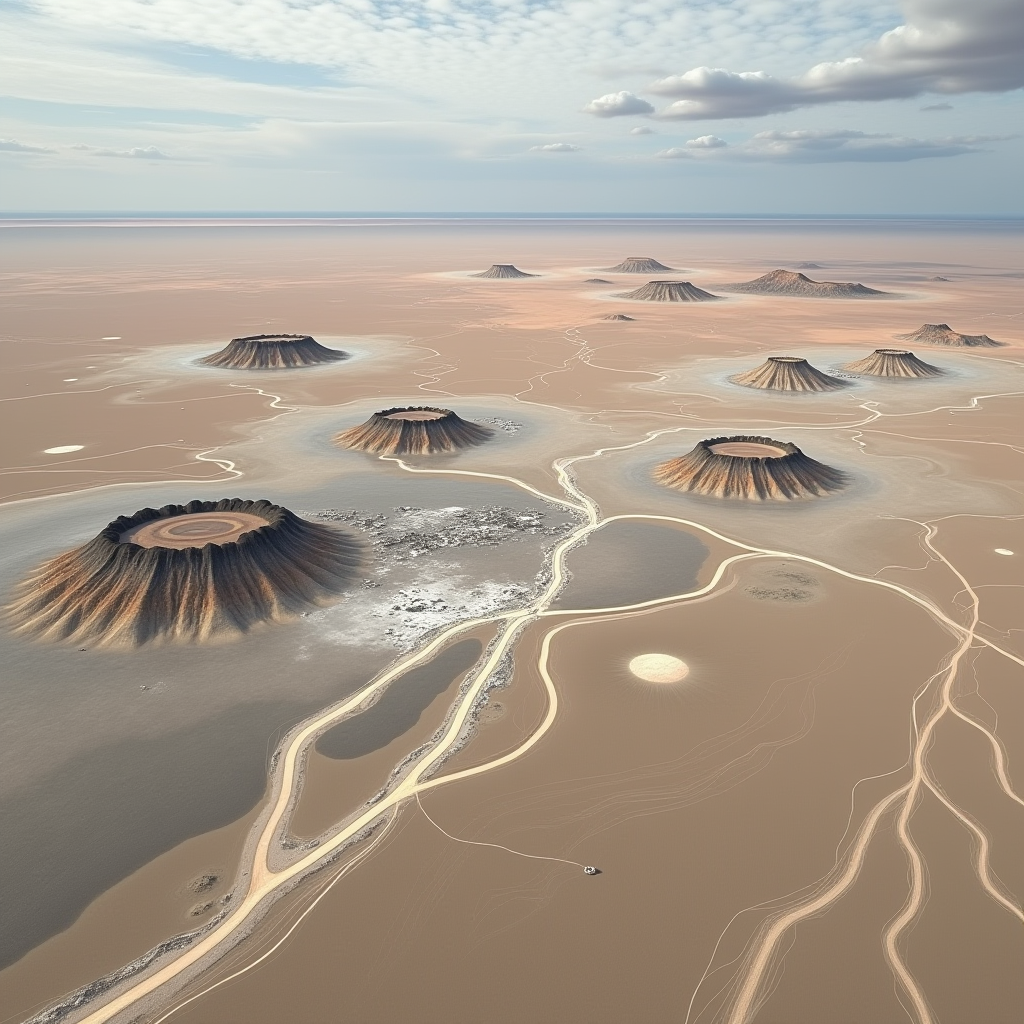
Distance, horizon, atmospheric depth and familiar points of reference establish proportion before constructed elements are introduced.
03 / SCALE
STRUCTURE
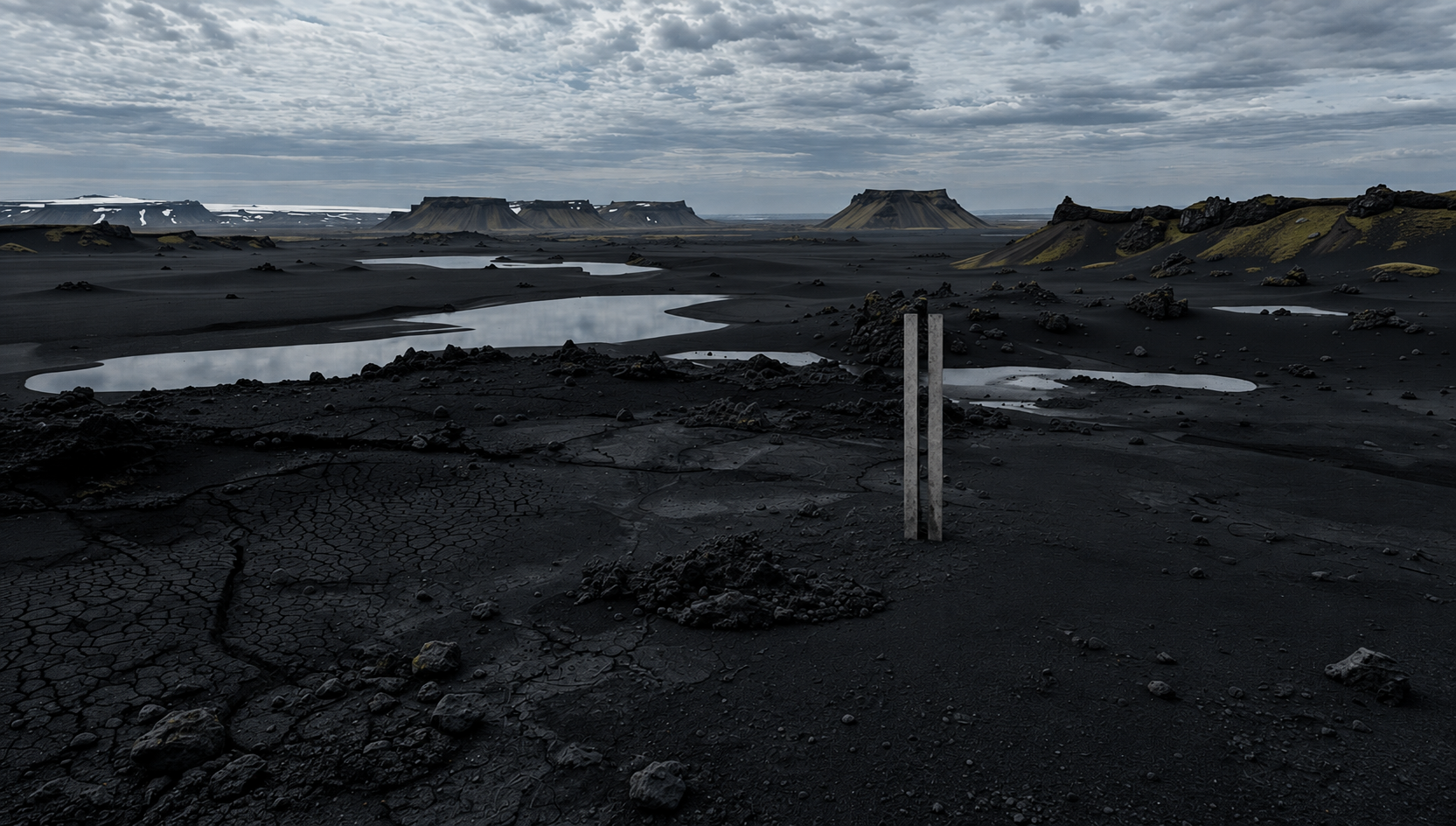
01/GEOLOGICAL PLACEMENT
Structure begins with the site.Constructed forms are positioned in response to terrain, geology, elevation and existing environmental conditions. Placement is treated as part of the landscape rather than an object added afterwards.
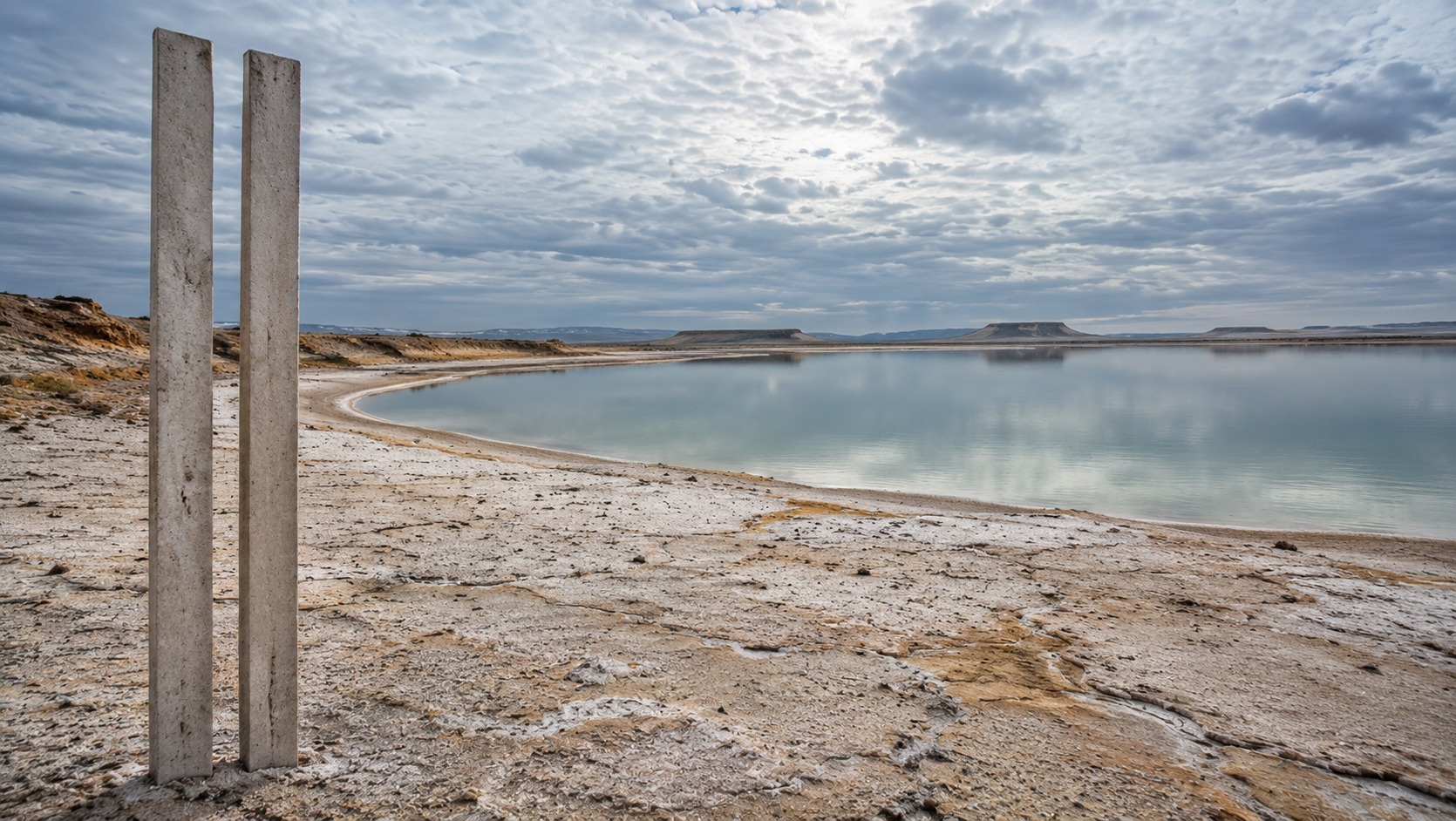
02/NATURAL / CONSTRUCTED
The boundary is deliberately unclear.Material, weathering, orientation and scale allow artificial structures to inherit characteristics from their surroundings. The aim is for construction to feel discovered rather than introduced.
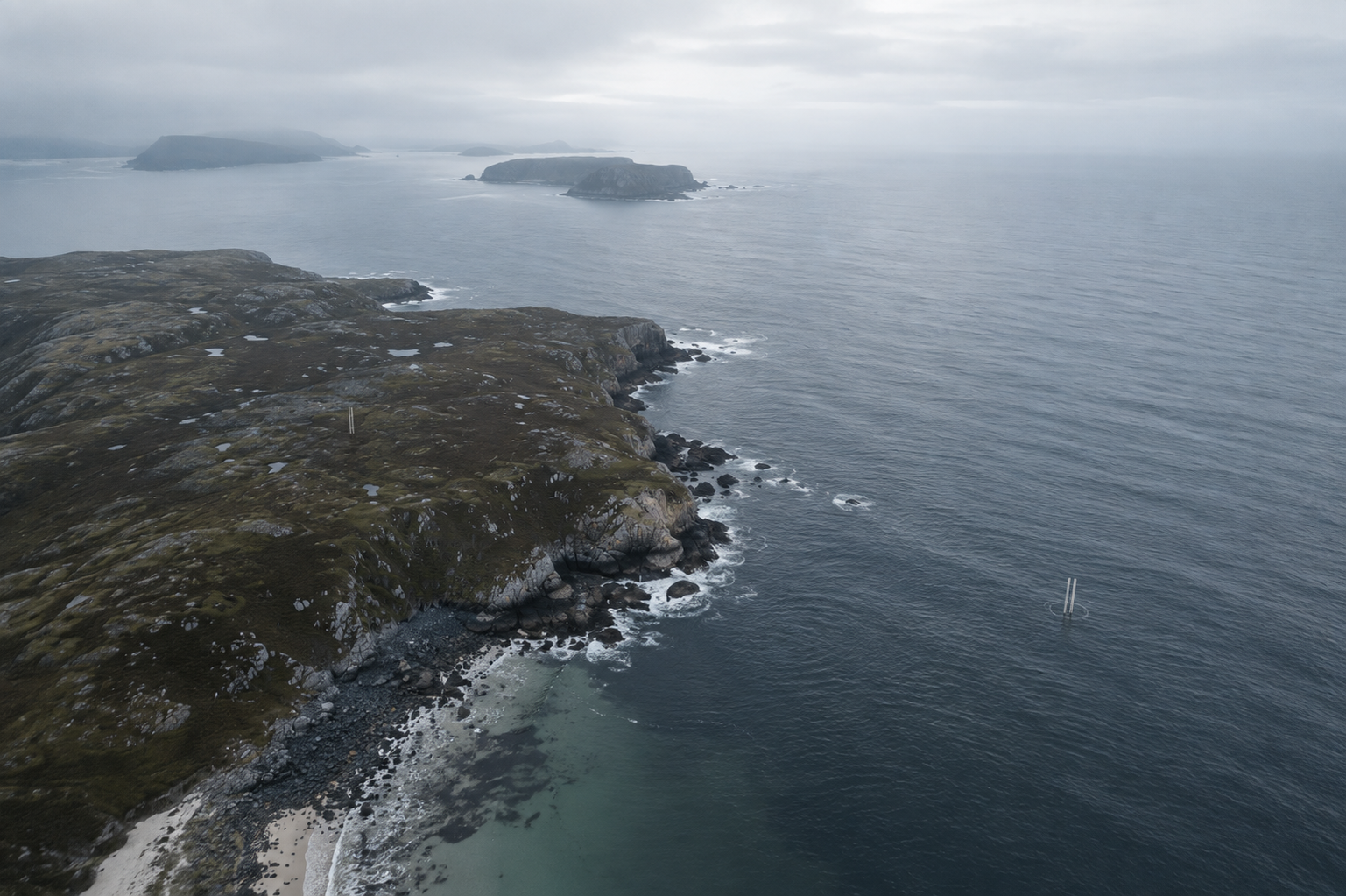
Repetition establishes relationships across distance.REPETITION / SCALE
Repeated forms do not need to occupy the entire landscape. Strategic placement allows isolated structures to imply larger networks, alignments and systems extending beyond what can be immediately seen.
ITERATION
THE INFORMATION IS DISCOVERED THROUGH REVISION
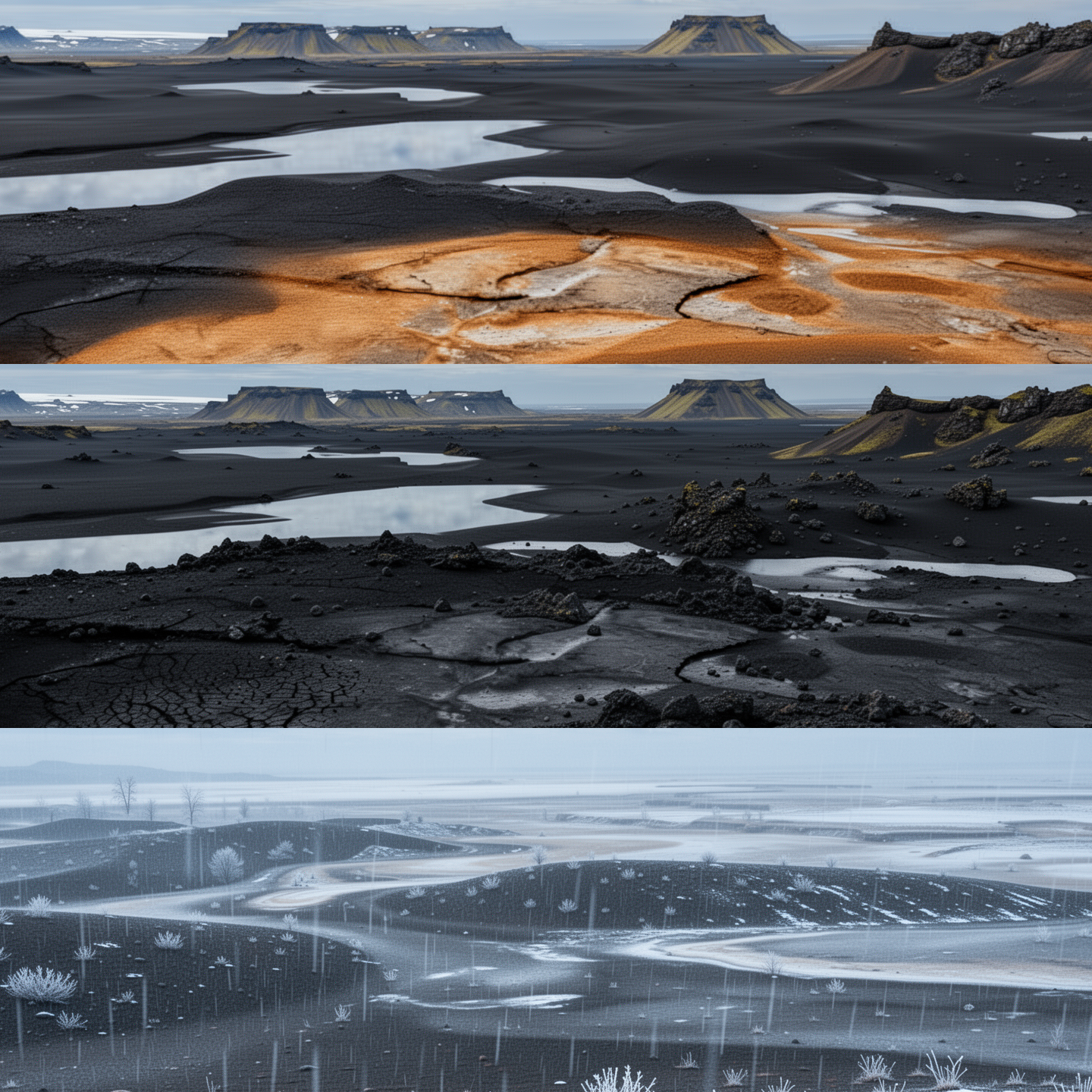
0/1 TERRAIN DEVELOPMENT
The landscape comes before the anomaly.
Initial studies establish geology, atmosphere, scale and surface behaviour before constructed elements are introduced. Multiple versions are tested until the environment can exist convincingly without relying on the fictional intervention.
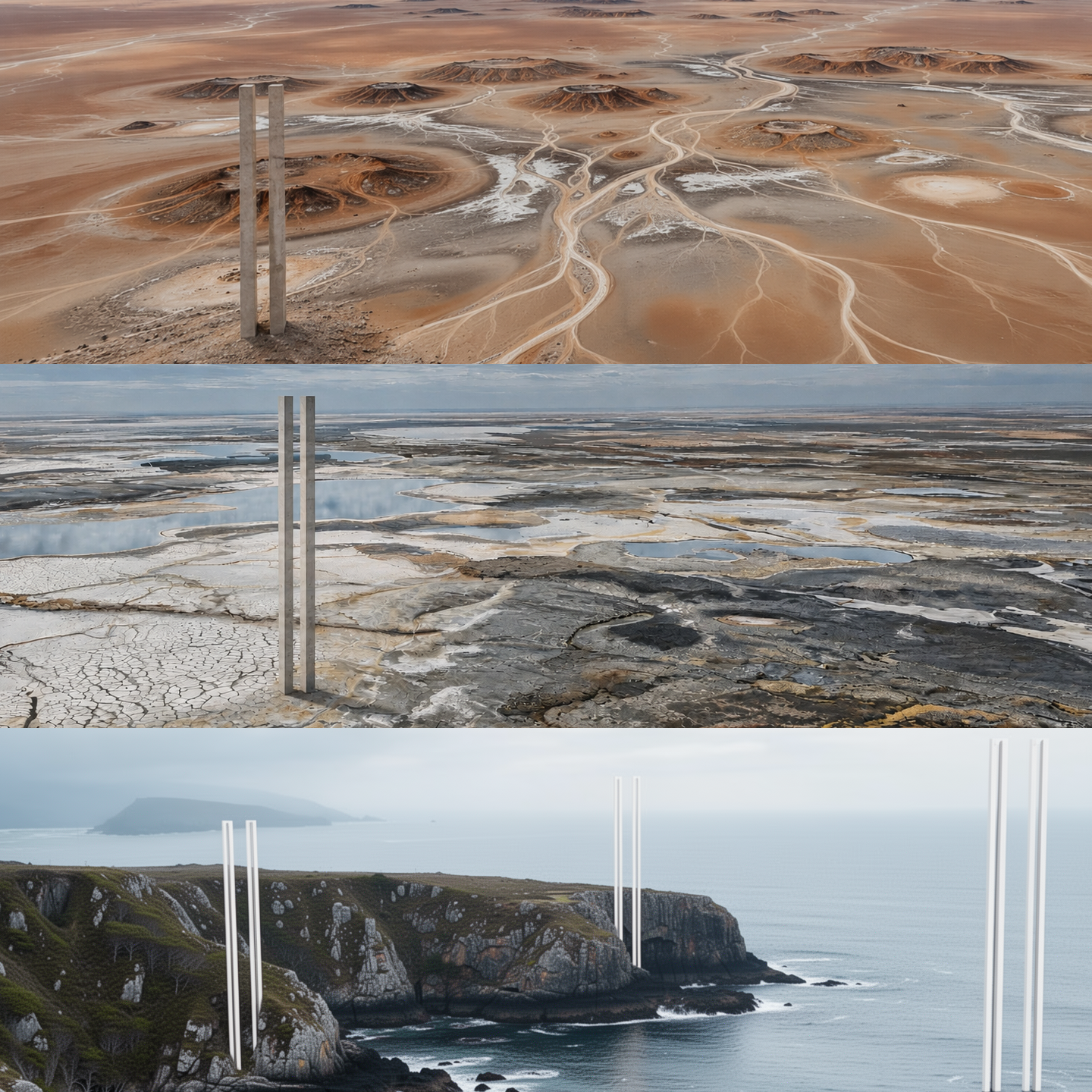
02 / FORM INTEGRATION
An object must inherit the logic of its surroundings.
Scale, material, placement, and visibility are adjusted repeatedly as constructed forms enter the environment. The process continues until the intervention feels physically connected to the site rather than composited onto it.
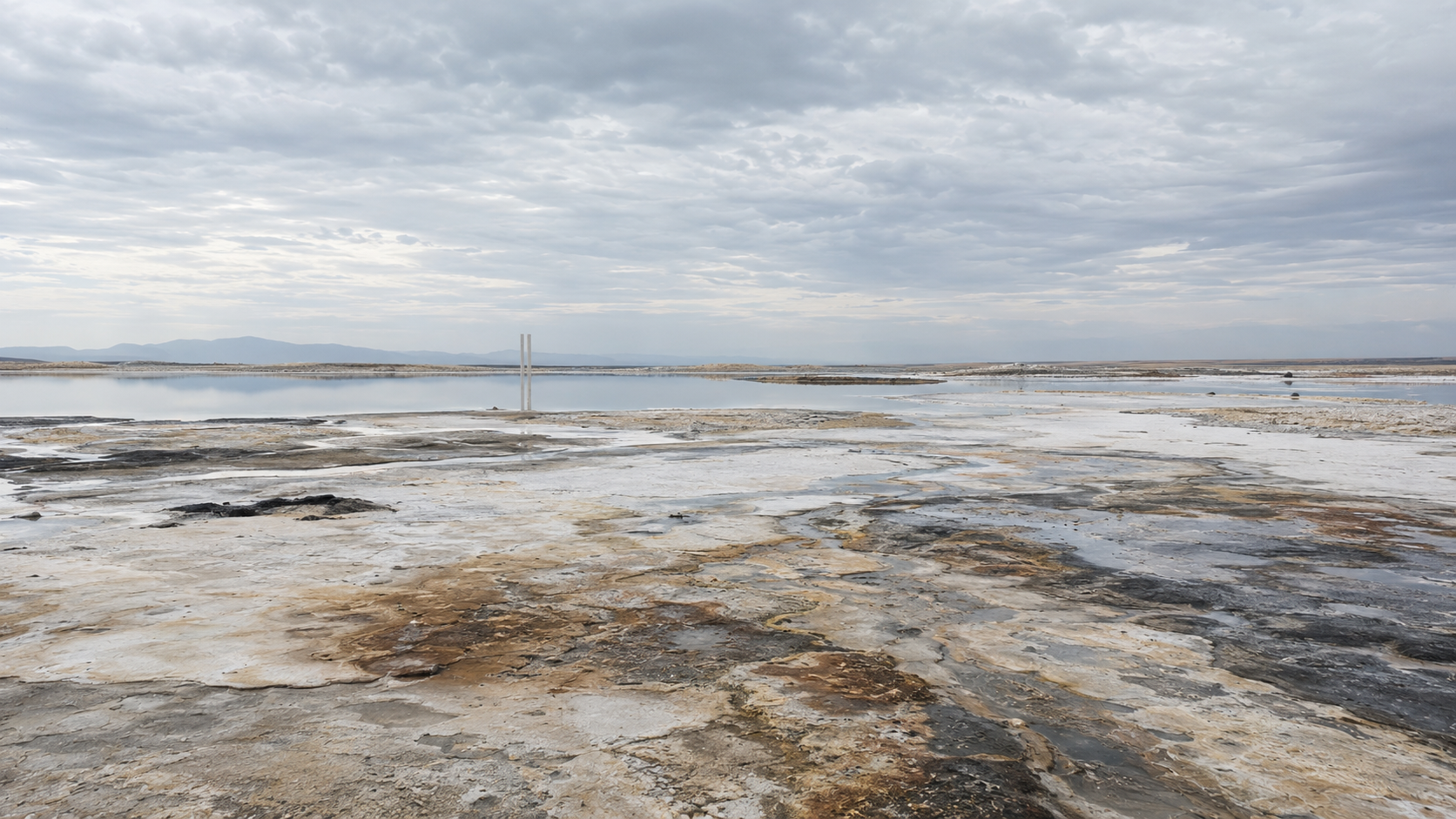
Iteration stops when the world no longer needs explanation.
The final image is not necessarily the most elaborate version. Elements are reduced, repositioned or removed until scale, atmosphere and environmental logic feel coherent. The resolved environment should appear observed rather than designed.
03 / RESOLUTION
COMPOSITE
SEPERATE ELEMENTS BECOME A SINGLE IMAGE
Environments, structures, objects, figures and atmospheric elements may begin as independent studies. They are combined through scale, perspective, light, material and depth until the boundaries between components disappear.
01 / ASSEMBLY
Independent elements are brought into a common spatial system.
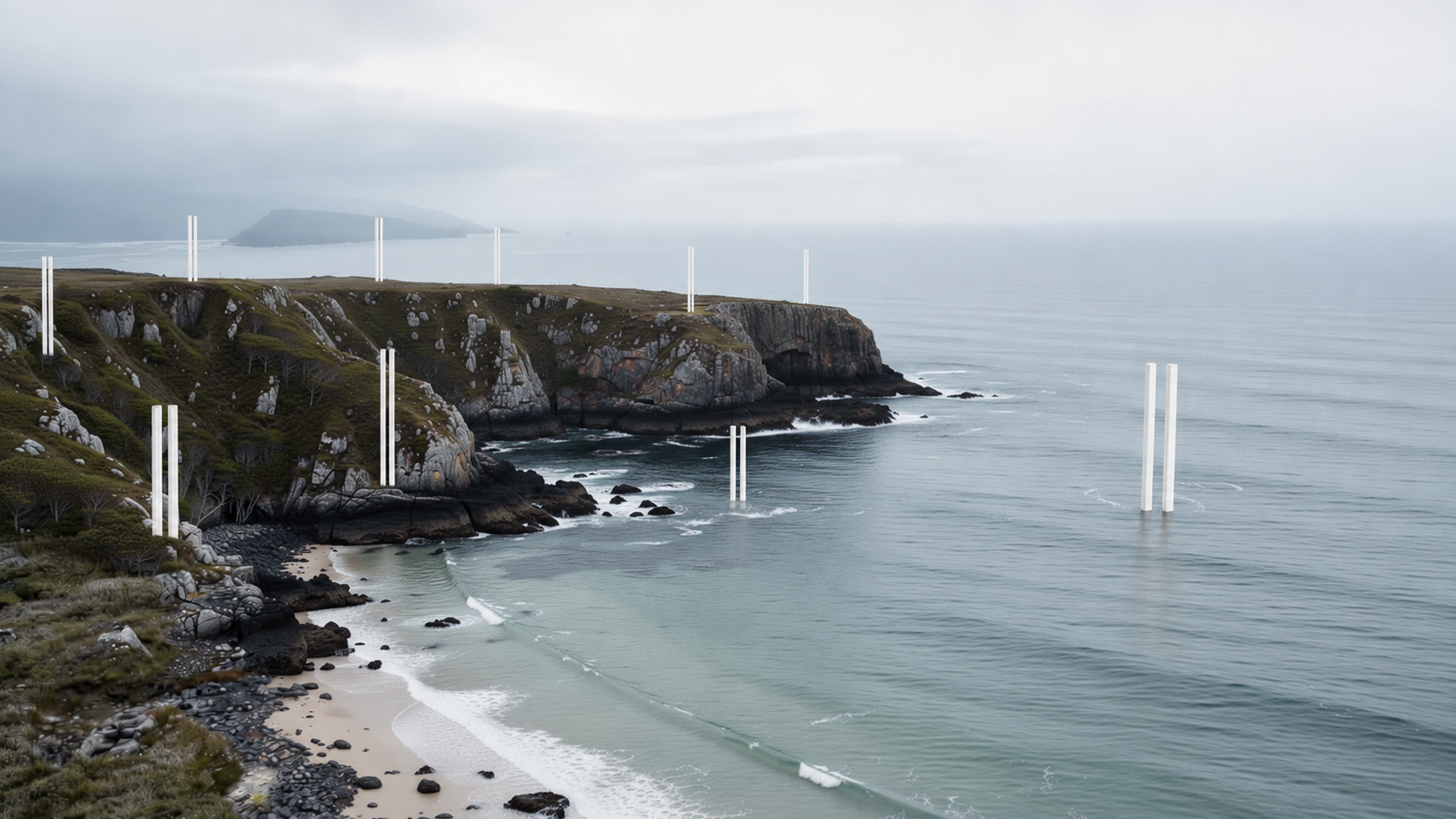
02 / RESOLVED COMPOSITE
Scale, light, atmosphere and material unify the image.
ENVIRONMENTAL MOTION
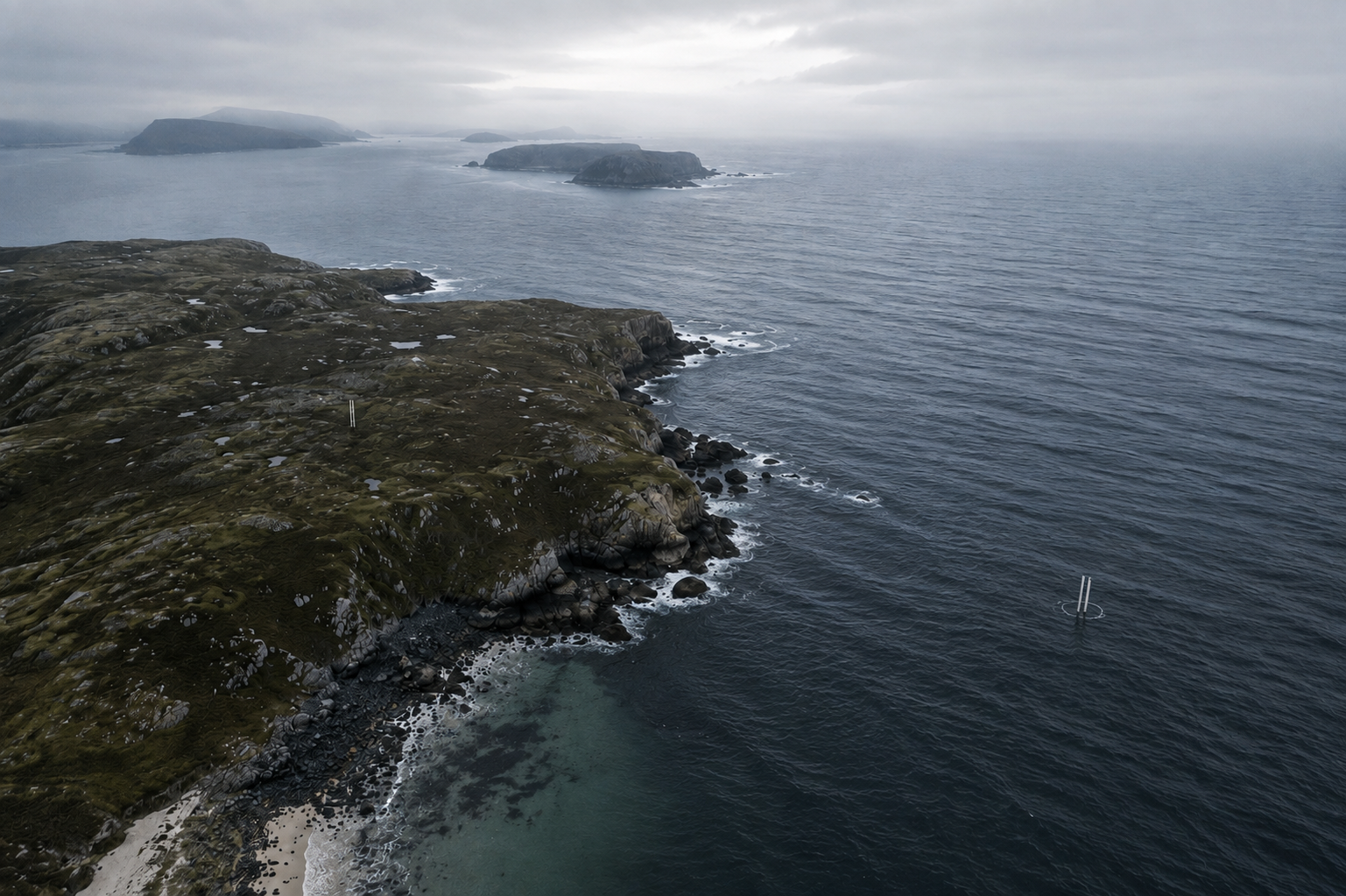
A fixed viewpoint allows environmental motion to carry the scene. Water, atmosphere and weather move around static constructed elements, reinforcing their physical presence within the landscape.
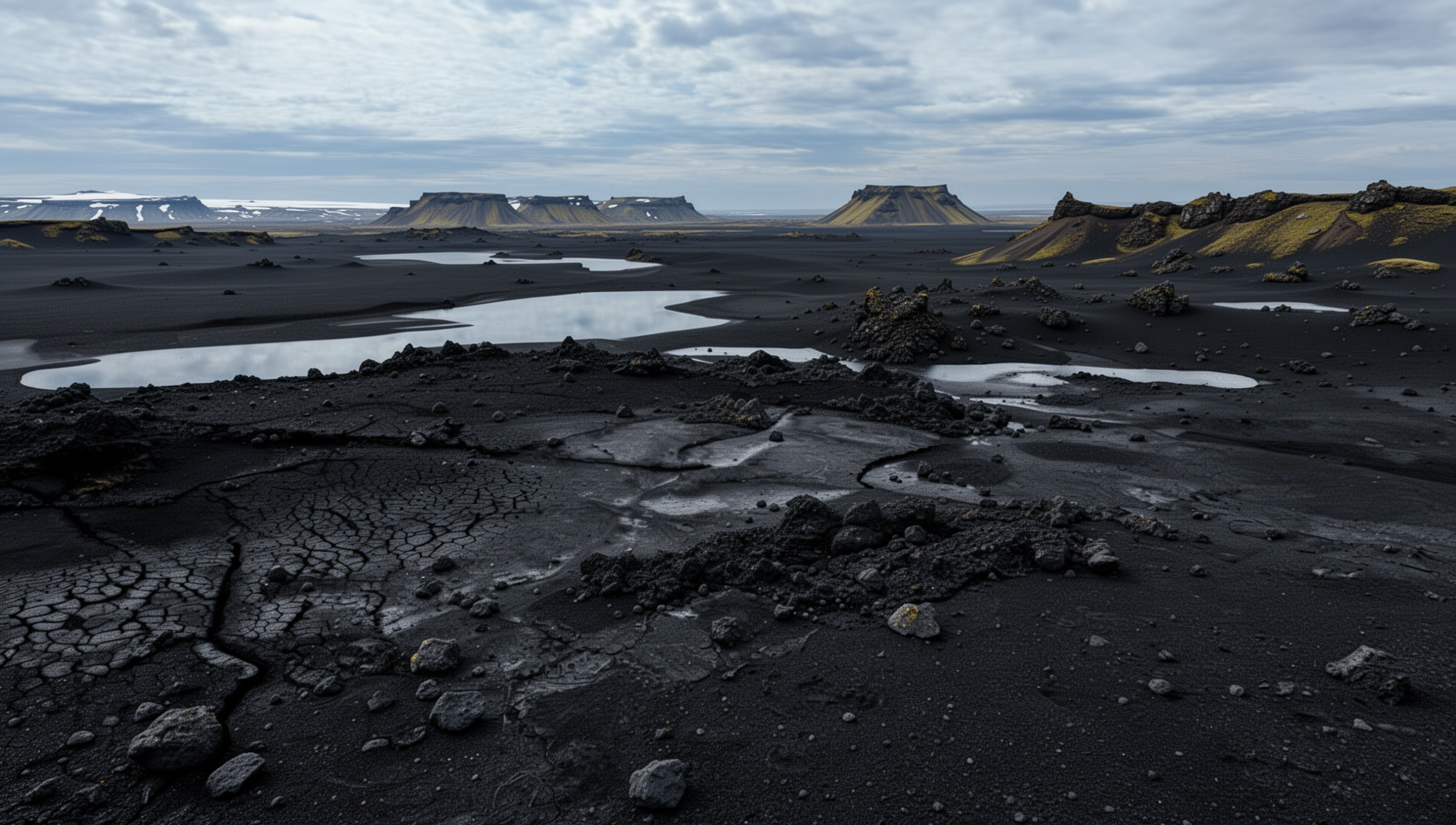
DN-0012THE FINAL IMAGE SHOULD NOT EXPOSE ITS METHOD
Construction ends when the environment no longer appears constructed.
Terrain, atmosphere, objects, scale, motion, and anomaly resolve into a single believable observation.